


COMMON GALLINULE
Gallinula galeata
DESCRIPTION
The Common Gallinule, also known as the Moorhen, is a medium-sized waterbird characterized by its striking plumage, which includes a dark brown body, a red frontal shield, and a yellow-green bill. This bird is often found in wetlands, where it forages among reeds and aquatic vegetation. It is known for its distinctive, clumsy swimming style and its ability to walk on floating vegetation, making it well-adapted to its marshy habitat.
FUN FACTS
- Common Gallinules are known for their unique courtship displays, which include elaborate dances and vocalizations that can be quite entertaining to observe
- They are also capable of flying long distances, despite their preference for a more terrestrial lifestyle, and can migrate between breeding and wintering grounds.|These birds are excellent swimmers and can often be seen diving underwater to escape predators or to forage for food
- Interestingly, they have a unique adaptation that allows them to walk on floating vegetation, which is a crucial skill for navigating their marshy habitats
QUICK INFO
Lifespan5-10 years in the wild
Average Weight200-400 g
Average Length30-40 cm
Diet TypeOmnivore
Social StructureThey are often seen in pairs or small groups, especially during the breeding season.
Activity PatternDiurnal
Breeding SeasonSpring to early summer
- Habitat
- Common Gallinules inhabit freshwater marshes, ponds, and wetlands, where they can find ample vegetation for cover and food. They prefer areas with dense reeds and emergent plants that provide nesting sites and protection from predators.
- Biomes
- Wetlands, Freshwater Marshes
- Native Range
- The Common Gallinule is native to North America, Central America, and parts of South America, with populations also found in Europe and Asia.
- Continent
- North America, South America, Europe, Asia
- Countries
- United States, Canada, Mexico, Brazil, Argentina, Spain, Italy
- Diet
- Common Gallinules are omnivorous, feeding on a variety of plant materials, seeds, and small invertebrates. They often forage in shallow waters and along the edges of wetlands.
- Diet Type
- Omnivore
- Favorite Food
- aquatic plants, seeds, insects
- Social Structure
- They are often seen in pairs or small groups, especially during the breeding season.
- Activity Pattern
- Diurnal
- Group Size
- 2-10
- Territorial
- 1
 LC
LC

 VU
VU
 LC
LC
200-400 g
Weight
30-40 cm
Length
- Coloration
- Dark brown body with a red frontal shield and yellow-green bill.
- Lifespan
- 5-10 years in the wild
- Offspring per Birth
- 3-8
- Sexual Maturity
- 1 year
- Breeding Season
- Spring to early summer
LC
Least Concern
IUCN Red List Status
- Population Status
- The population of Common Gallinules is generally stable, though local declines may occur due to habitat loss.
- Wild Population Estimate
- 1,000,000-2,000,000
- Population Trend
- Stable
- Endangered
- 0
- Threats
- Main threats include habitat destruction due to urban development and pollution. Additionally, climate change poses a risk to their wetland habitats.
- Predators
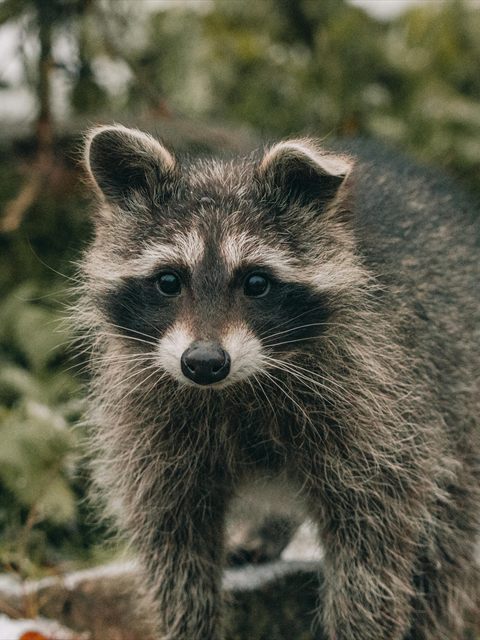
- Raccoons, foxes, birds of prey, and large fish.
- Defense Mechanisms
- Common Gallinules rely on their ability to hide in dense vegetation and their quick swimming to evade predators.
- Compatible Animals
- American Coot, various waterfowl
- Found in Zoos
- Common