


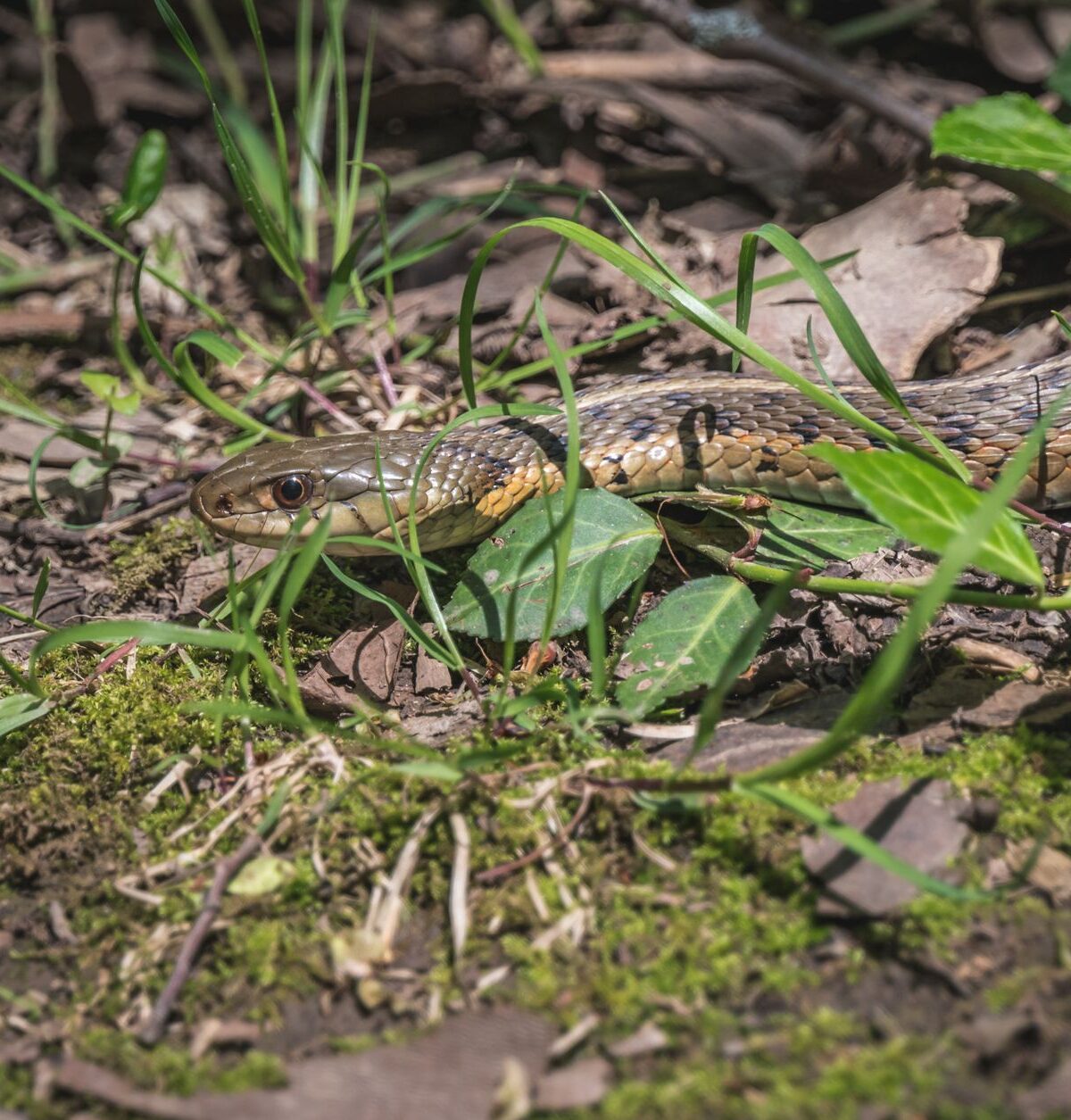
COMMON GARTER SNAKE
Thamnophis sirtalis
DESCRIPTION
Common Garter Snake (Thamnophis sirtalis) is a highly adaptable species known for its distinctive coloration, which typically includes a pattern of stripes running down its back. These snakes are often found in a variety of habitats, including grasslands, forests, and near water sources, where they exhibit a semi-aquatic lifestyle. They are known for their active foraging behavior, often hunting during the day and displaying a range of social interactions, particularly during the breeding season.
FUN FACTS
- Common Garter Snakes are known for their ability to tolerate a variety of environmental conditions, which allows them to thrive in urban areas as well as in the wild
- They are also one of the first snakes to emerge from hibernation in the spring, often basking in the sun to warm up after the cold months
- | Interestingly, these snakes can exhibit a range of colors and patterns, leading to significant variation among individuals
- Some populations even display melanism, where the snakes appear almost entirely black, which can help them absorb heat more efficiently in cooler climates
QUICK INFO
Lifespan5-10 years in the wild, up to 15 years in captivit
Average Weight100-200 g
Average Length0.6-1.2 m
Diet TypeCarnivore
Social Structuresolitary, but may form temporary groups during breeding
Activity PatternDiurnal
Breeding SeasonSpring (April-June)
- Habitat
- These snakes thrive in a variety of environments, including wetlands, meadows, and woodlands. They are often found near water bodies, which provide ample food sources and shelter.
- Biomes
- Temperate Forest, Grassland, Wetland
- Native Range
- Common Garter Snakes are native to North America, ranging from southern Canada to northern Mexico.
- Continent
- North America
- Countries
- United States, Canada, Mexico
- Diet
- Common Garter Snakes primarily feed on small amphibians, fish, and invertebrates. They are known to hunt actively, using their keen sense of smell to locate prey.
- Diet Type
- Carnivore
- Favorite Food
- Amphibians, fish, invertebrates
- Social Structure
- solitary, but may form temporary groups during breeding
- Activity Pattern
- Diurnal
- Group Size
- 1-10
- Territorial
- 0
 VU
VU
 LC
LC
100-200 g
Weight
0.6-1.2 m
Length
- Coloration
- Typically green or brown with yellow or white stripes along the length of the body.
- Sexual Dimorphism
- Males are generally smaller and have longer tails than females.
- Lifespan
- 5-10 years in the wild, up to 15 years in captivit
- Offspring per Birth
- 10-40
- Sexual Maturity
- 2-3 years
- Breeding Season
- Spring (April-June)
LC
Least Concern
IUCN Red List Status
- Population Status
- Common Garter Snakes are widespread and generally considered to have stable populations.
- Wild Population Estimate
- Not specifically estimated, but populations are considered stable.
- Population Trend
- Stable
- Endangered
- 0
- Threats
- Main threats include habitat destruction and pollution. These factors can impact their food sources and breeding habitats.
- Predators
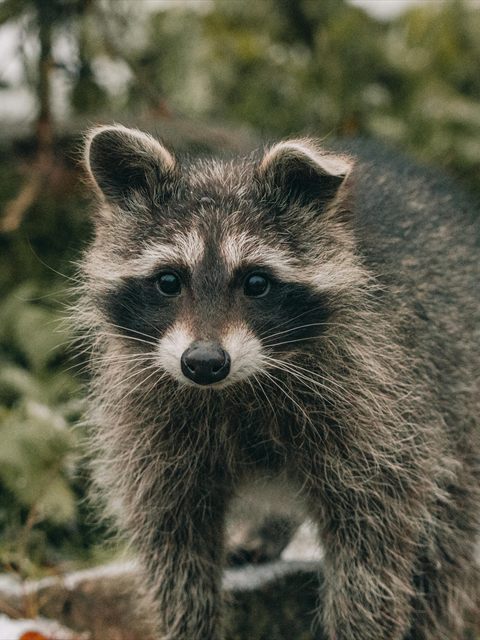
- Birds of prey, raccoons, larger snakes, and some mammals.
- Defense Mechanisms
- Common Garter Snakes can release a foul-smelling musk when threatened, which deters predators.
- Found in Zoos
- Common