


COMMON MERGANSER
Mergus merganser
DESCRIPTION
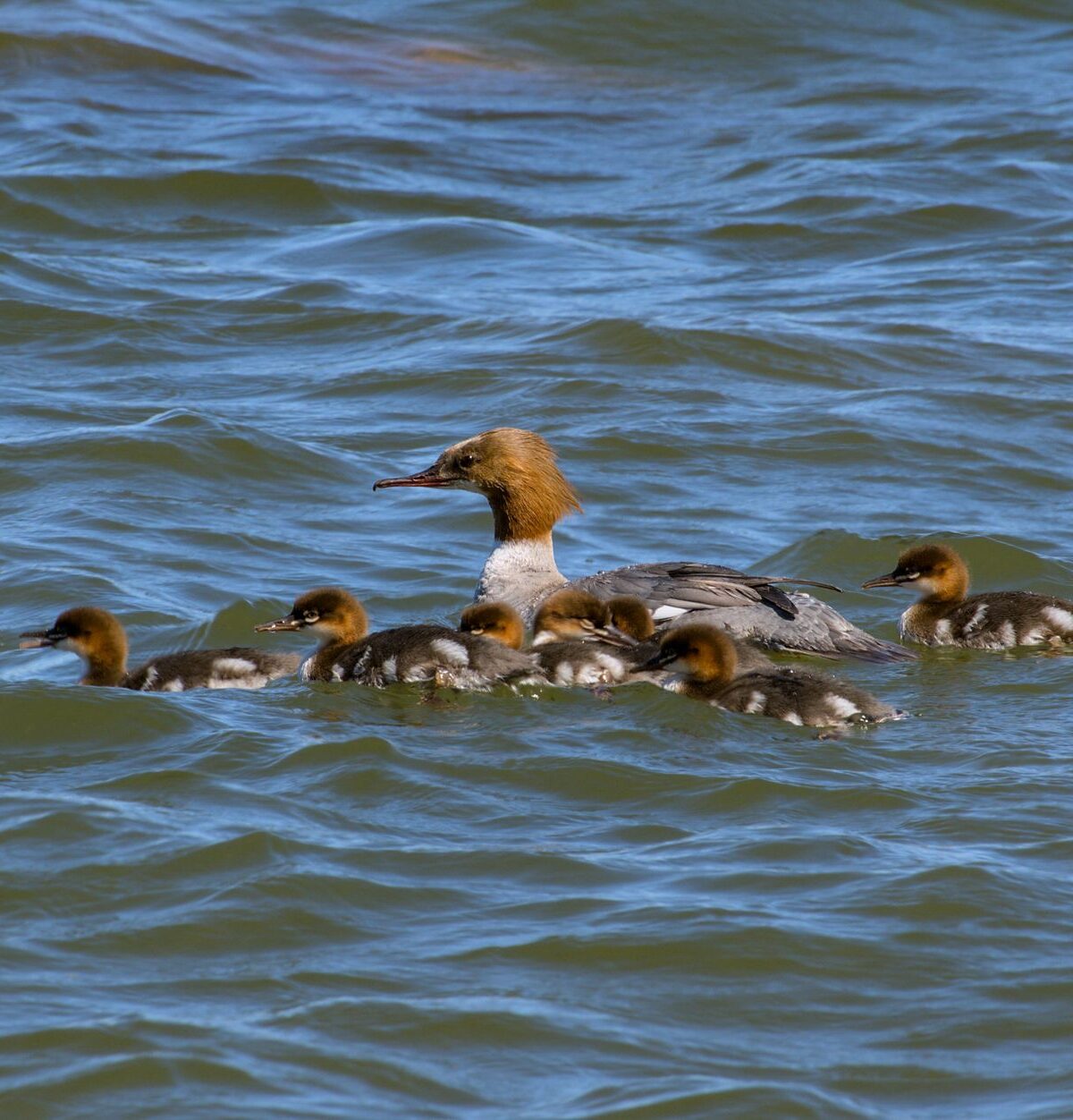
Common Merganser (Mergus merganser) is also known as the Goosander, a large duck characterized by its elongated body and slender neck. Males are easily recognizable by their striking green heads, white bodies, and black backs, while females have a more subdued appearance with a reddish-brown head and grayish body. This species is known for its agile swimming and diving abilities, often seen foraging in freshwater lakes and rivers for fish.
FUN FACTS
- Common Mergansers are known for their unique hunting technique, where they often work together in groups to herd fish into shallow waters for easier capture
- Additionally, they have a specialized bill with serrated edges that helps them grip slippery fish, making them highly effective hunters
QUICK INFO
Lifespan10-15 years in the wild
Average Weight1-1.5 kg
Average Length65-75 cm
Diet TypePiscivore
Social StructureThey are often found in pairs or small groups, particularly during the breeding season.
Activity PatternDiurnal
Breeding SeasonSpring (April-June)
- Habitat
- Common Mergansers inhabit freshwater lakes, rivers, and coastal areas, often favoring clear waters with abundant fish populations. They require nesting sites near water, typically in tree cavities or on the ground near the shore.
- Biomes
- Freshwater, Coastal
- Native Range
- The native range of Common Merganser includes North America, Europe, and parts of Asia, with migratory populations moving between breeding and wintering grounds.
- Continent
- North America, Europe, Asia
- Countries
- United States, Canada, Norway, Sweden, Finland, Russia
- Diet
- Common Mergansers primarily feed on fish, but they also consume crustaceans and aquatic invertebrates. Their hunting technique involves diving underwater to catch prey with their sharp bills.
- Diet Type
- Piscivore
- Favorite Food
- fish
- Social Structure
- They are often found in pairs or small groups, particularly during the breeding season.
- Activity Pattern
- Diurnal
- Group Size
- 2-20
- Territorial
- 0
 CR
CR
 LC
LC
1-1.5 kg
Weight
65-75 cm
Length
- Coloration
- Males have a green head, white body, and black back; females are reddish-brown with grayish bodies.
- Sexual Dimorphism
- Males and females have distinct coloration, with males being more brightly colored.
- Lifespan
- 10-15 years in the wild
- Offspring per Birth
- 6-12
- Sexual Maturity
- 1-2 years
- Breeding Season
- Spring (April-June)
LC
Least Concern
IUCN Red List Status
- Population Status
- The population of Common Mergansers is generally stable, though local declines may occur due to habitat loss.
- Wild Population Estimate
- 100,000-200,000
- Population Trend
- Stable
- Endangered
- 0
- Threats
- Main threats include habitat destruction, pollution, and competition with invasive species. These factors can impact their breeding success and food availability.
- Predators
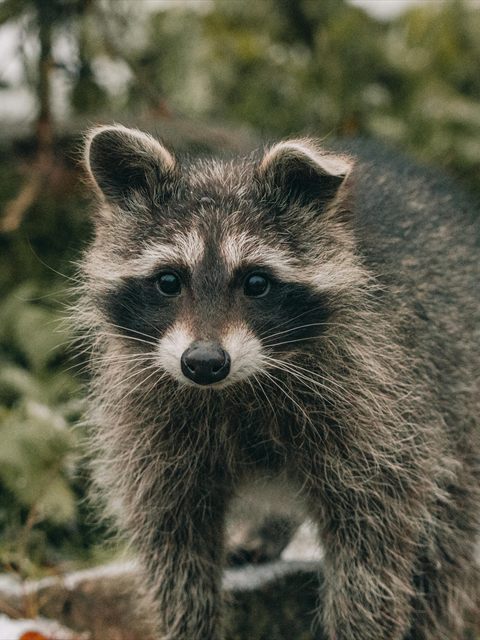
- Common Mergansers face predation from larger birds of prey, such as eagles and hawks, as well as terrestrial predators like foxes and raccoons.
- Defense Mechanisms
- They rely on their swimming and diving abilities to evade predators, often diving underwater to escape.
- Found in Zoos
- Uncommon