


COMMON PUFFIN
Fratercula arctica
DESCRIPTION
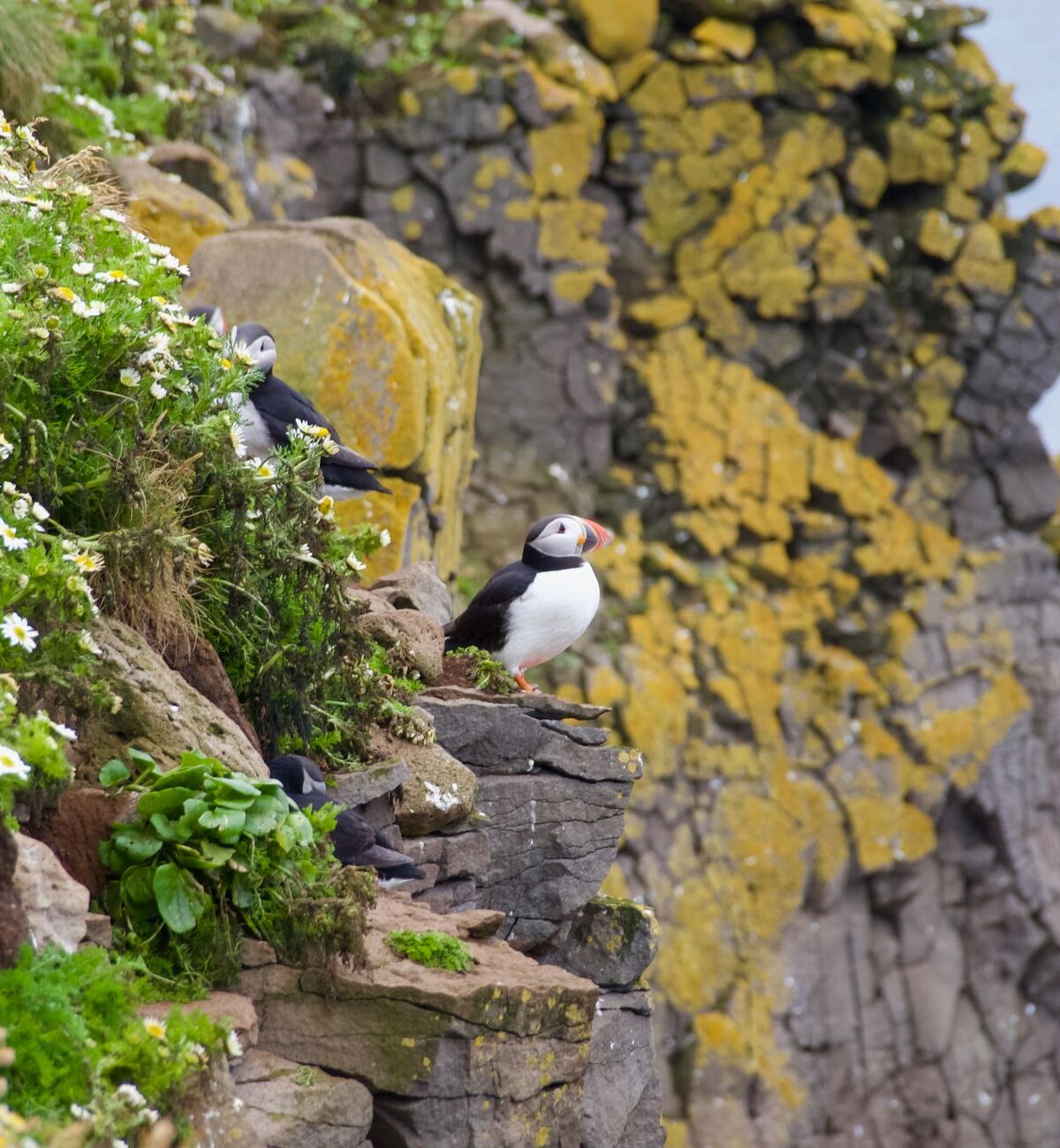
Common Puffin (Fratercula arctica) is a distinctive seabird known for its colorful beak and striking black and white plumage. These birds are excellent divers, using their wings to propel themselves underwater while hunting for fish. They are social creatures, often found in large colonies on coastal cliffs and islands, where they nest in burrows and engage in elaborate courtship displays.
FUN FACTS
- Common Puffins are often referred to as the 'clowns of the sea' due to their colorful beaks and comical appearance
- They can dive to depths of up to 60 meters in search of food, holding their breath for up to a minute while underwater.|During the breeding season, Puffins can be seen engaging in a behavior called 'billing,' where they rub their beaks together in a display of affection, strengthening the bond between mates
QUICK INFO
Lifespan20-25 years in the wild
Average Weight500-800 g
Average Length28-30 cm
Diet TypePiscivore
Social Structurepair, they form monogamous pairs during the breeding season and often return to the same mate each year.
Activity PatternDiurnal
Breeding SeasonSpring to early summer (April-August)
- Habitat
- Common Puffins inhabit coastal areas, particularly rocky cliffs and islands where they can nest safely away from land predators. They prefer regions with abundant fish populations for feeding.
- Biomes
- Marine, Coastal
- Native Range
- Common Puffins are found in the North Atlantic, breeding on islands off the coasts of Canada, Greenland, Iceland, Norway, and the British Isles.
- Continent
- North America, Europe
- Countries
- Canada, Greenland, Iceland, Norway, United Kingdom, Ireland
- Diet
- Common Puffins primarily feed on small fish, such as herring and sand eels, which they catch while diving. They are known to carry multiple fish in their beaks at once, showcasing their impressive hunting skills.
- Diet Type
- Piscivore
- Favorite Food
- herring, sand eels
- Social Structure
- pair, they form monogamous pairs during the breeding season and often return to the same mate each year.
- Activity Pattern
- Diurnal
- Group Size
- 100-1,000
- Territorial
- 0
 LC
LC
500-800 g
Weight
28-30 cm
Length
- Coloration
- black upperparts, white underparts, and a brightly colored orange and yellow beak.
- Sexual Dimorphism
- males and females are similar in appearance, but males tend to be slightly larger.
- Lifespan
- 20-25 years in the wild
- Offspring per Birth
- 1
- Sexual Maturity
- 3-5 years
- Breeding Season
- Spring to early summer (April-August)
LC
Least Concern
IUCN Red List Status
- Population Status
- The population of Common Puffins is currently stable, although some local declines have been observed due to environmental changes.
- Wild Population Estimate
- 1,000,000-1,500,000
- Population Trend
- Stable
- Endangered
- 0
- Threats
- Main threats to Common Puffins include climate change, which affects fish availability, and predation by introduced species on nesting islands. Oil spills and fishing bycatch also pose risks to their populations.
- Predators
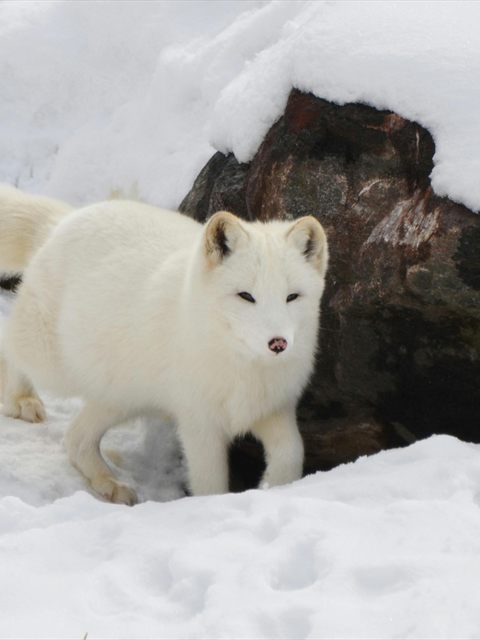
- Great Black-backed Gull, Arctic Fox, and various raptors during the breeding season.
- Defense Mechanisms
- Common Puffins rely on their burrows for protection from predators and can also use their agility in flight to evade threats.
- Found in Zoos
- Uncommon