


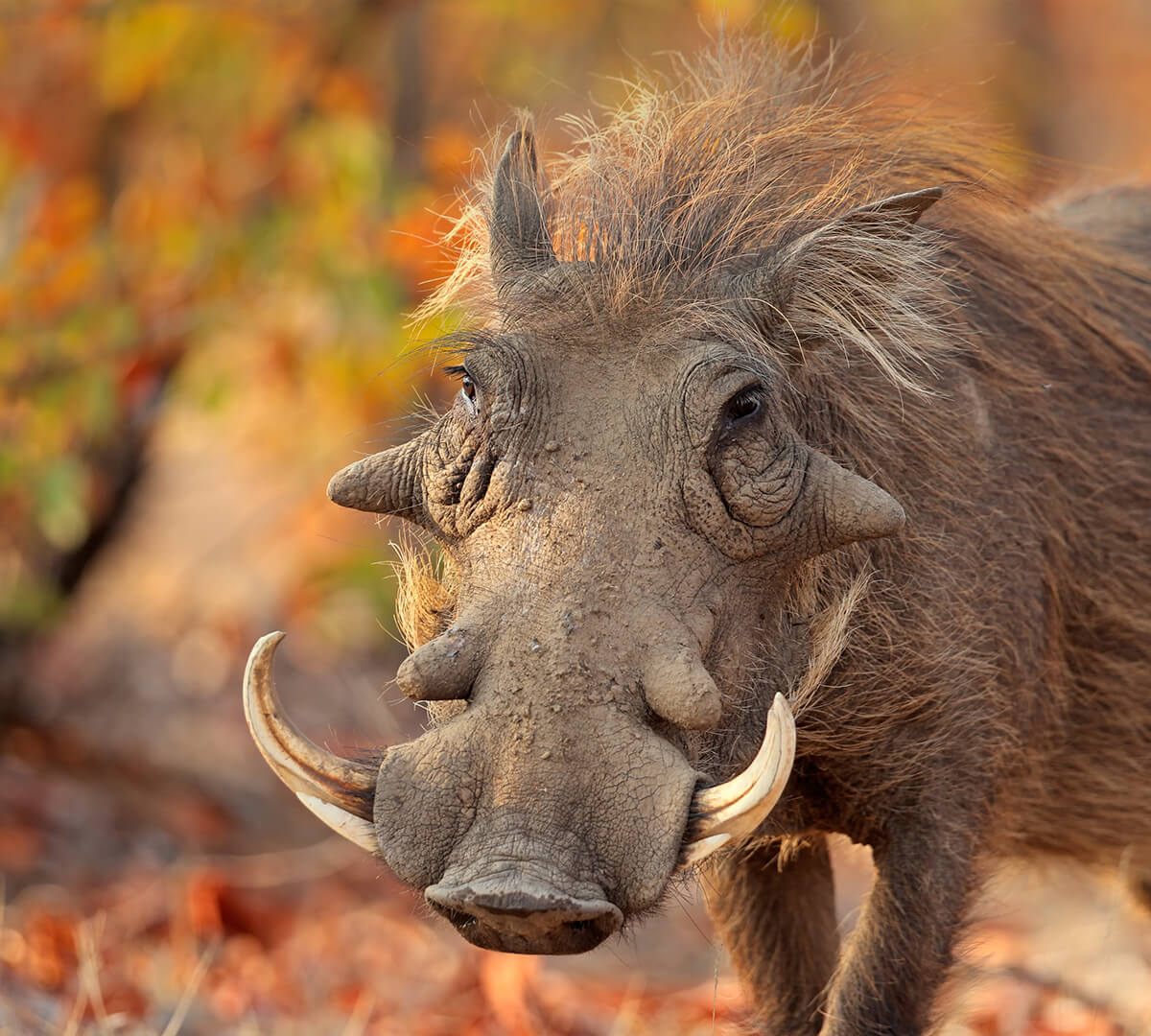
COMMON WARTHOG
DESCRIPTION
Common Warthog, also known simply as Warthog, is a wild member of the pig family characterized by its distinctive facial warts and tusks. They have a robust body, long legs, and a tufted tail, with males typically larger than females. These animals are primarily found in savannas and grasslands, where they exhibit a range of behaviors including foraging for food and wallowing in mud to regulate their body temperature and protect their skin from parasites.
FUN FACTS
- Warthogs have a unique way of feeding; they often kneel on their front legs to graze, which is quite different from most other ungulates
- Additionally, they are known for their social behavior, often seen interacting with other species, such as birds that help remove parasites from their skin.|Common Warthogs can run at speeds of up to 30 miles per hour, which is quite fast for their size
- They also have a remarkable ability to dig for food, using their strong snouts to unearth roots and tubers from the ground
QUICK INFO
Lifespan10-15 years in the wild, up to 20 years in captivi
Average Weight50-150 kg
Average Length1.2-1.8 m
Diet TypeHerbivore
Social StructureThey typically form groups of females and their offspring, while adult males are more solitary or may form loose bachelor groups.
Activity PatternDiurnal
Breeding SeasonYear-round, with peaks depending on the region
- Habitat
- Common Warthogs inhabit open and wooded savannas, grasslands, and areas with sufficient cover for shelter. They often seek out mud wallows to cool off and protect their skin.
- Biomes
- Savanna, Grassland
- Native Range
- They are native to sub-Saharan Africa, ranging from West Africa to East Africa and parts of Southern Africa.
- Continent
- Africa
- Countries
- Botswana, Kenya, Tanzania, South Africa, Namibia, Zimbabwe
- Diet
- Common Warthogs are herbivores that primarily graze on grasses, roots, and tubers. They are known to dig for food using their snouts.
- Diet Type
- Herbivore
- Favorite Food
- grasses, roots, tubers
- Social Structure
- They typically form groups of females and their offspring, while adult males are more solitary or may form loose bachelor groups.
- Activity Pattern
- Diurnal
- Group Size
- 2-10
- Territorial
- 0
 LC
LC
 LC
LC
 VU
VU
 VU
VU
50-150 kg
Weight
1.2-1.8 m
Length
0.8-1.0 m at shoulder
Height (Shoulder)
- Coloration
- Their coloration ranges from brown to gray, often with sparse bristles and a lighter underbelly.
- Sexual Dimorphism
- Males are generally larger than females and have more prominent tusks.
- Lifespan
- 10-15 years in the wild, up to 20 years in captivi
- Gestation Period
- 150 days
- Offspring per Birth
- 2-4
- Sexual Maturity
- 2-3 years
- Breeding Season
- Year-round, with peaks depending on the region
LC
Least Concern
IUCN Red List Status
- Population Status
- The population of Common Warthogs is currently stable in many areas, although they face threats in some regions.
- Wild Population Estimate
- 100,000+
- Population Trend
- Stable
- Endangered
- 0
- Threats
- Main threats include habitat loss due to agriculture and hunting. They are also vulnerable to diseases that can affect their populations.
- Predators
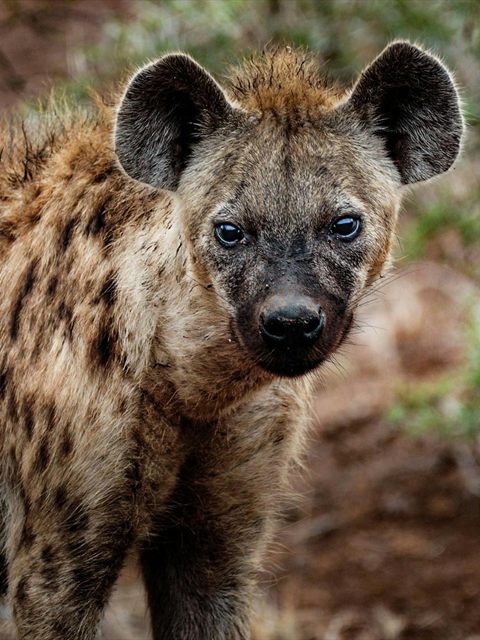
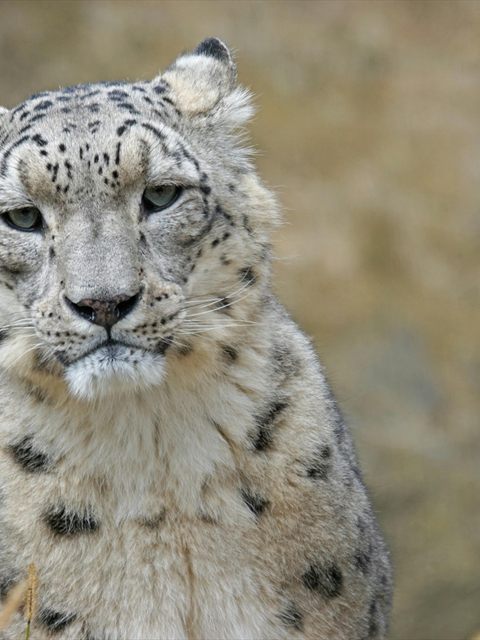
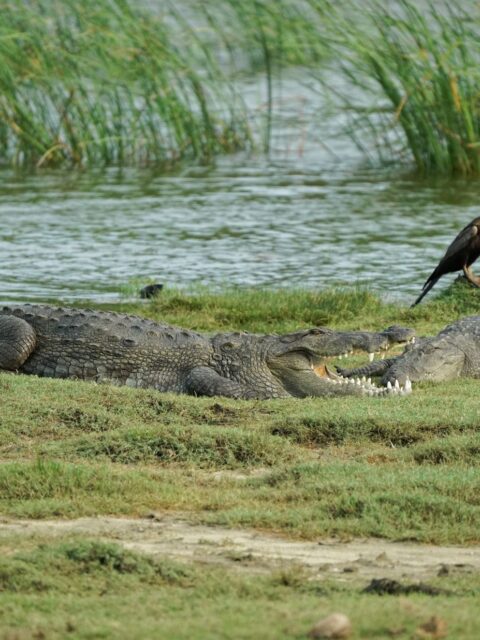
- Lions, hyenas, leopards, crocodiles, and African wild dogs are known predators of Common Warthogs.
- Defense Mechanisms
- They can run quickly to escape predators and use their tusks for defense when threatened.
- Compatible Animals
- None
- Found in Zoos
- Common