



COMMON WILDEBEEST
Connochaetes taurinus
DESCRIPTION
The Common Wildebeest, also known as the gnu, is a large antelope characterized by its robust body, long legs, and distinctive curved horns. Males are typically larger than females and have a more pronounced mane and beard. They are known for their migratory behavior, forming large herds that travel across the African savannas in search of food and water, often participating in dramatic river crossings during migration.
FUN FACTS
- Wildebeests are known for their incredible migration, which is one of the largest animal migrations on Earth, involving over a million individuals
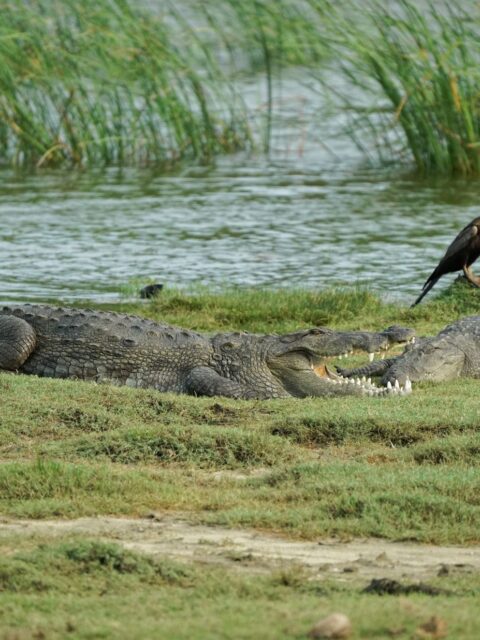
- This migration is driven by the search for fresh grazing and water, and it often includes dramatic river crossings that can be perilous due to crocodile attacks
- | The name 'gnu' is derived from the Khoikhoi word for the animal, and it is said to mimic the sound they make
- Wildebeests are also unique in their social structure, often forming mixed herds with zebras, which helps them to better detect predators
QUICK INFO
Lifespan15-20 years in the wild, up to 30 in captivity
Average Weight150-250 kg
Average Length1.8-2.5 m
Diet TypeHerbivore
Social Structuregroup — they live in large herds that can number in the thousands, providing safety in numbers.
Activity PatternDiurnal
Breeding SeasonLate spring to early summer
- Habitat
- Common Wildebeests inhabit open grasslands and savannas, where they can find ample grazing opportunities. They are often found near water sources, which are crucial for their survival.
- Biomes
- Savanna, Grassland
- Native Range
- They are native to the plains and grasslands of East and Southern Africa.
- Continent
- Africa
- Countries
- Tanzania, Kenya, Botswana, South Africa, Namibia, Zimbabwe
- Diet
- Common Wildebeests are herbivores that primarily graze on grasses. They are known to consume a variety of plant materials, but they prefer short, nutritious grasses.
- Diet Type
- Herbivore
- Favorite Food
- grasses
- Social Structure
- group — they live in large herds that can number in the thousands, providing safety in numbers.
- Activity Pattern
- Diurnal
- Group Size
- 50-1,500
- Territorial
- 0
 LC
LC
 LC
LC
 VU
VU
 VU
VU
 EN
EN
150-250 kg
Weight
1.8-2.5 m
Length
1.2 m at shoulder
Height (Shoulder)
- Coloration
- They have a dark brown to grayish coat with lighter stripes on their bodies.
- Sexual Dimorphism
- Males are larger and have more prominent horns than females.
- Lifespan
- 15-20 years in the wild, up to 30 in captivity
- Gestation Period
- 240 days
- Offspring per Birth
- 1
- Sexual Maturity
- 2-3 years
- Breeding Season
- Late spring to early summer
LC
Least Concern
IUCN Red List Status
- Population Status
- The population of Common Wildebeests is currently stable, with large migratory herds observed in protected areas.
- Wild Population Estimate
- 1.5 million
- Population Trend
- Stable
- Endangered
- 0
- Threats
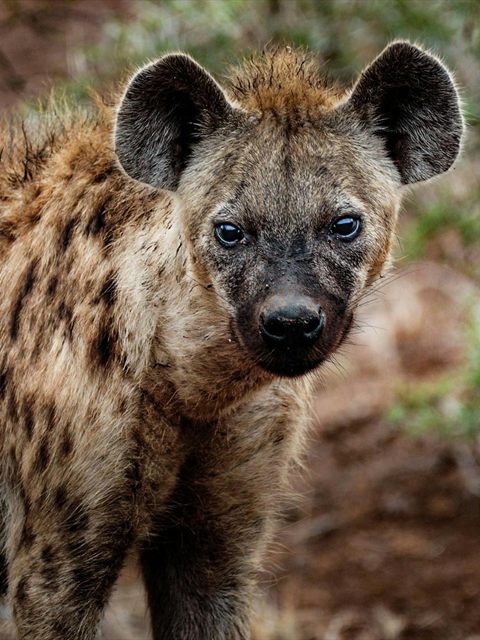
- Main threats include habitat loss due to agriculture and human encroachment, as well as poaching. Additionally, they face predation from large carnivores such as lions and hyenas.
- Predators
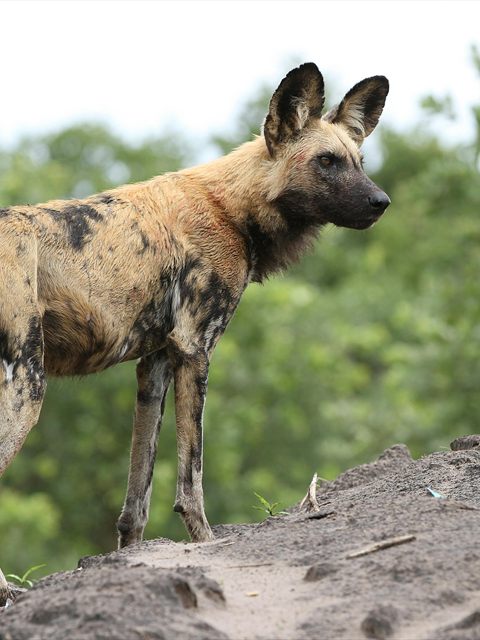
- Lions, hyenas, crocodiles, leopards, wild dogs
- Defense Mechanisms
- Wildebeests rely on their herd structure for protection, using numbers to confuse predators. They are also capable of running at high speeds to escape threats.
- Compatible Animals
- Zebras, antelopes, various birds
- Found in Zoos
- Common