


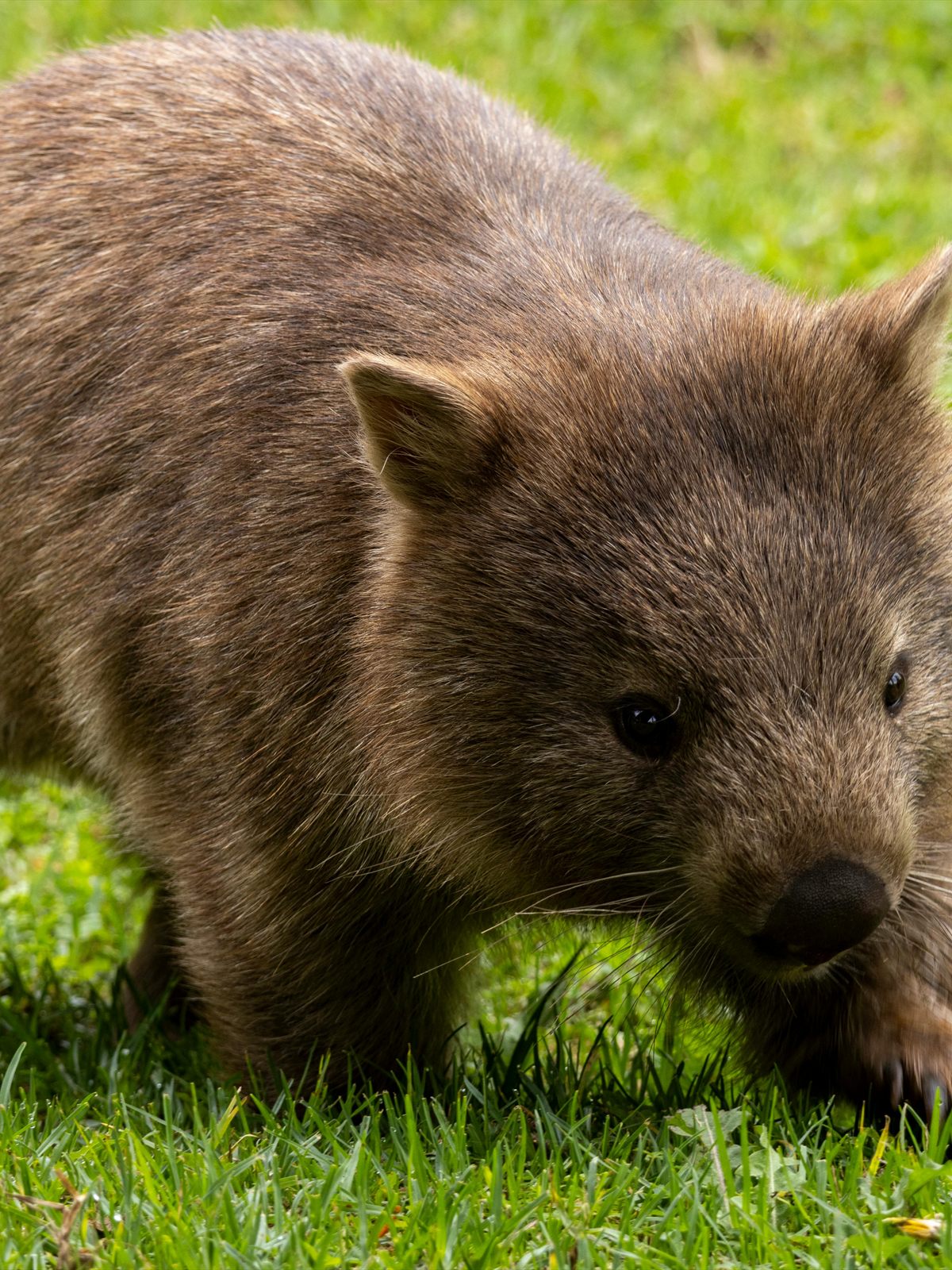
COMMON WOMBAT
DESCRIPTION
The Common Wombat is a stout, burrowing marsupial native to Australia, characterized by its robust body, short legs, and a distinctive, broad head. They have a thick, coarse fur that can vary in color from sandy brown to grey, which helps them blend into their natural environment. Wombats are primarily nocturnal and are known for their solitary behavior, often spending their days resting in their burrows and emerging at night to forage for food.
FUN FACTS
- Wombats have cube-shaped poop, which helps them mark their territory without rolling away
- This unique shape is due to the elasticity of their intestines, which allows the feces to maintain its form
- | They can run at speeds of up to 40 km/h (25 mph) over short distances, which is quite impressive for such a stout animal
- This speed helps them escape from potential threats in their natural habitat
QUICK INFO
Lifespan15 years in the wild, up to 20 years in captivity
Average Weight25-35 kg
Average Length1-1.2 m
Diet TypeHerbivore
Social Structuresolitary, typically living alone except during mating season
Activity PatternNocturnal
Breeding SeasonSpring (September-November)
- Habitat
- Common Wombats inhabit a variety of environments, including forests, grasslands, and heathlands. They prefer areas with ample vegetation for foraging and suitable soil for burrowing.
- Biomes
- Temperate Forest, Grassland
- Native Range
- The Common Wombat is found throughout southeastern Australia, including Tasmania.
- Continent
- Australia
- Countries
- Australia, Tasmania
- Diet
- Common Wombats are herbivores, primarily feeding on grasses, roots, and other vegetation. They have a unique digestive system that allows them to extract maximum nutrients from their fibrous diet.
- Diet Type
- Herbivore
- Favorite Food
- grasses, roots
- Social Structure
- solitary, typically living alone except during mating season
- Activity Pattern
- Nocturnal
- Group Size
- 1
- Territorial
- 1
 LC
LC
 EN
EN
25-35 kg
Weight
1-1.2 m
Length
- Coloration
- thick, coarse fur that ranges from sandy brown to grey
- Sexual Dimorphism
- males are generally larger than females
- Lifespan
- 15 years in the wild, up to 20 years in captivity
- Gestation Period
- 20-30 days
- Offspring per Birth
- 1
- Sexual Maturity
- 2 years
- Breeding Season
- Spring (September-November)
LC
Least Concern
IUCN Red List Status
- Population Status
- The population of Common Wombats is currently stable, although they face threats from habitat loss and vehicle collisions.
- Wild Population Estimate
- 100,000+
- Population Trend
- Stable
- Endangered
- 0
- Threats
- Main threats include habitat destruction due to agriculture and urban development, as well as road accidents. Additionally, they are sometimes affected by diseases such as mange.
- Predators
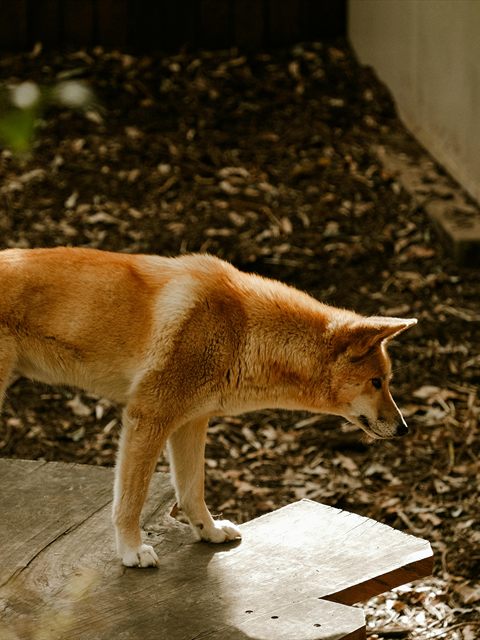
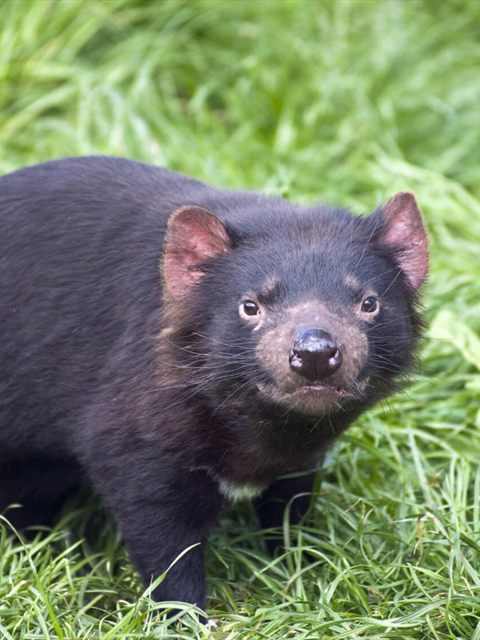
- Dingoes, Tasmanian devils, and large birds of prey can pose threats to young wombats, while adult wombats have few natural predators due to their size.
- Defense Mechanisms
- Wombats have a tough, muscular body and can defend themselves by charging at predators or retreating into their burrows.
- Found in Zoos
- Common