


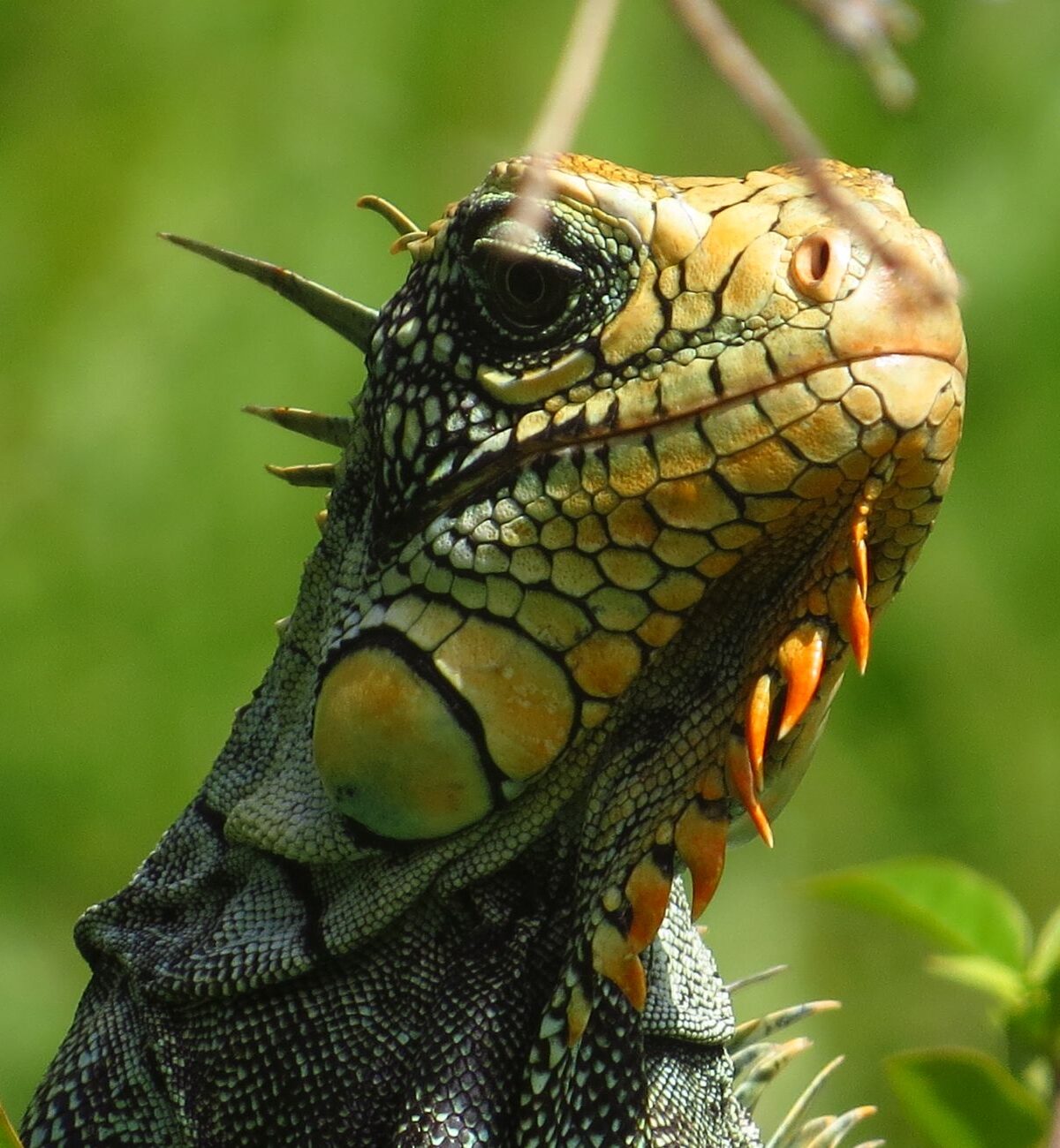
CONE-HEADED IGUANA
Iguana iguana
DESCRIPTION
Cone-headed Iguana (Iguana iguana) is commonly known as the Green Iguana and the Common Iguana. This large lizard is characterized by its long, slender body, a prominent dewlap, and a distinctive cone-shaped head. They are primarily arboreal, spending much of their time in trees, and are known for their vibrant green coloration, which can vary based on age and environmental factors.
FUN FACTS
- Cone-headed Iguanas can detach their tails when threatened, which can distract predators and allow them to escape
- Additionally, they have a unique ability to change color slightly based on their mood and environmental conditions, which helps them regulate their body temperature and communicate with other iguanas
QUICK INFO
Lifespan15-20 years in the wild, up to 30 years in captivi
Average Weight4-5 kg
Average Length1.5-2.0 m
Diet TypeHerbivore
Social Structuresolitary, typically found alone or in small groups during basking
Activity PatternDiurnal
Breeding SeasonSpring (March-May)
- Habitat
- These iguanas inhabit tropical rainforests, coastal areas, and mangroves. They prefer areas with abundant vegetation for both food and shelter.
- Biomes
- Tropical Rainforest, Coastal
- Native Range
- The native range of the Cone-headed Iguana includes Central and South America, as well as the Caribbean islands.
- Continent
- North America, South America
- Countries
- Mexico, Belize, Guatemala, Honduras, Costa Rica, Panama, Colombia, Venezuela, Ecuador, Brazil, Trinidad and Tobago
- Diet
- Cone-headed Iguanas are primarily herbivorous, feeding on a variety of leaves, flowers, and fruits. They may occasionally consume insects or small animals, especially in their juvenile stages.
- Diet Type
- Herbivore
- Favorite Food
- leafy greens, fruits
- Social Structure
- solitary, typically found alone or in small groups during basking
- Activity Pattern
- Diurnal
- Group Size
- 1-5
- Territorial
- 0
 VU
VU
 LC
LC
 NT
NT
4-5 kg
Weight
1.5-2.0 m
Length
- Coloration
- Typically bright green, with variations that can include shades of brown or gray depending on the environment.
- Sexual Dimorphism
- Males are generally larger and have more pronounced dewlaps than females.
- Lifespan
- 15-20 years in the wild, up to 30 years in captivi
- Offspring per Birth
- 20-70 eggs
- Sexual Maturity
- 2-3 years
- Breeding Season
- Spring (March-May)
LC
Least Concern
IUCN Red List Status
- Population Status
- The population is currently stable in many areas, but habitat loss poses a threat.
- Wild Population Estimate
- Unknown
- Population Trend
- Stable
- Endangered
- 0
- Threats
- Main threats include habitat destruction due to deforestation and the pet trade. In some areas, they are also hunted for their meat.
- Predators
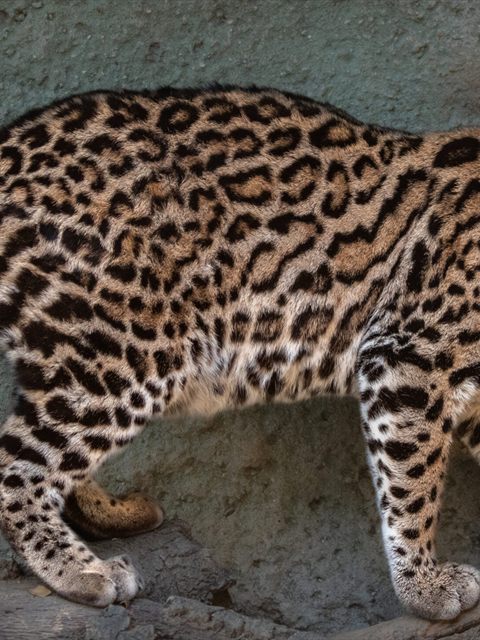
- Birds of prey, snakes, and large mammals such as jaguars and ocelots.
- Defense Mechanisms
- They can drop from trees to escape predators and have a strong ability to camouflage with their surroundings.
- Found in Zoos
- Common