



CORN SNAKE
Pantherophis guttatus
DESCRIPTION
The Corn Snake (Pantherophis guttatus) is a non-venomous constrictor known for its striking coloration and pattern, which typically includes a reddish-orange background with large, dark blotches. They are slender and can grow to a length of 2 to 6 feet, making them a popular choice for pet owners. Corn Snakes are primarily terrestrial and are known for their docile nature, often exhibiting a calm demeanor when handled.
FUN FACTS
- Corn Snakes are often mistaken for the venomous Eastern Coral Snake due to their similar coloration, but they are completely harmless
- They are also known for their ability to escape from enclosures, making them a challenge for inexperienced keepers.| In the wild, Corn Snakes play a crucial role in controlling rodent populations, which helps maintain the balance of their ecosystems
- Their adaptability to various habitats has contributed to their success as a species
QUICK INFO
Lifespan15-20 years in the wild, up to 30 in captivity
Average Weight0.5-2.5 kg
Average Length1.2-2.1 m
Diet TypeCarnivore
Social Structuresolitary
Activity PatternNocturnal
Breeding SeasonSpring (April-June)
- Habitat
- Corn Snakes are commonly found in a variety of habitats, including forests, grasslands, and agricultural fields. They often seek shelter in abandoned burrows or under debris.
- Biomes
- Temperate Forest, Grassland, Agricultural
- Native Range
- The native range of the Corn Snake extends across the southeastern United States.
- Continent
- North America
- Countries
- United States
- Diet
- Corn Snakes primarily feed on small mammals, birds, and occasionally reptiles. They are known to hunt by ambushing their prey and using constriction to subdue it.
- Diet Type
- Carnivore
- Favorite Food
- mice, rats
- Social Structure
- solitary
- Activity Pattern
- Nocturnal
- Group Size
- 1
- Territorial
- 0
 VU
VU
 LC
LC
0.5-2.5 kg
Weight
1.2-2.1 m
Length
- Coloration
- reddish-orange with dark blotches
- Sexual Dimorphism
- Females are generally larger than males.
- Lifespan
- 15-20 years in the wild, up to 30 in captivity
- Offspring per Birth
- 10-30
- Sexual Maturity
- 2-3 years
- Breeding Season
- Spring (April-June)
LC
Least Concern
IUCN Red List Status
- Population Status
- The Corn Snake population is currently stable and widespread.
- Wild Population Estimate
- Unknown
- Population Trend
- Stable
- Endangered
- 0
- Threats
- Main threats include habitat destruction and the pet trade. While not currently endangered, local populations can be affected by urban development.
- Predators
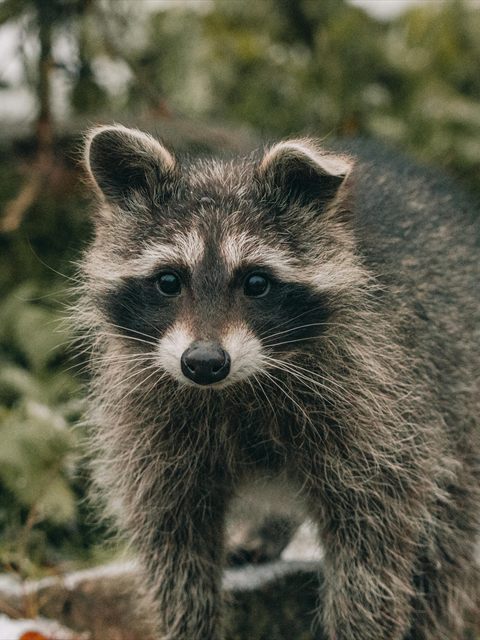
- Birds of prey, raccoons, and larger snakes.
- Defense Mechanisms
- Corn Snakes may mimic the coloration of venomous snakes to deter predators and can also play dead when threatened.
- Found in Zoos
- Common