


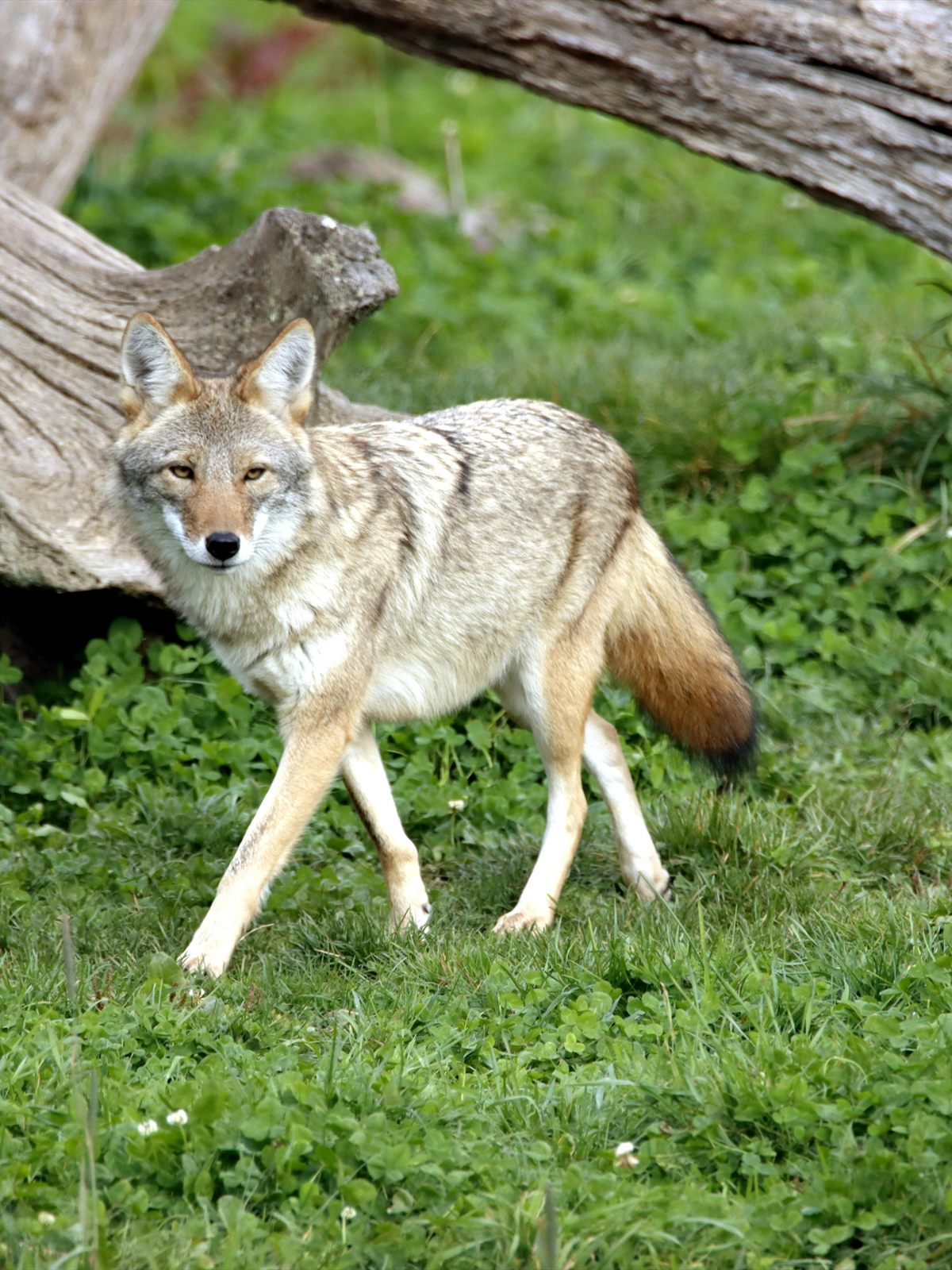
COYOTE
Canis latrans
DESCRIPTION
Coyote is commonly known as the Prairie Wolf and Brush Wolf. This adaptable canid has a slender build, long legs, and a bushy tail, with a coat that varies in color from gray to brownish-yellow. Coyotes are known for their vocalizations, including howls, yips, and barks, which they use to communicate with each other, and they play a crucial role in their ecosystems as both predator and scavenger.
FUN FACTS
- Coyotes are known for their incredible adaptability, which has allowed them to thrive in urban environments as well as rural areas
- They can often be seen scavenging in cities, where they have learned to navigate human landscapes
- | Coyotes have a unique social structure that allows them to be both solitary hunters and pack animals
- This flexibility enables them to adjust their hunting strategies based on the availability of food and the presence of other coyotes
QUICK INFO
Lifespan10-14 years in the wild, up to 20 in captivity
Average Weight24-46 lbs
Average Length3-4.5 ft
Diet TypeOmnivore
Social StructureCoyotes are typically solitary or found in pairs, but they can also form small family groups. Their social structure is flexible, allowing them to adapt to varying environmental conditions.
Activity PatternNocturnal
Breeding SeasonWinter (January-March)
- Habitat
- Coyotes are highly adaptable and can thrive in a variety of habitats, including deserts, grasslands, forests, and urban areas. They often prefer open areas where they can hunt and roam freely.
- Biomes
- Desert, Grassland, Forest, Urban
- Native Range
- Coyotes are native to North America, ranging from Canada to Mexico.
- Continent
- North America
- Countries
- United States, Canada, Mexico
- Diet
- Coyotes are opportunistic feeders and have a varied diet that includes small mammals, birds, fruits, and carrion. They are known to hunt alone or in pairs, but can also form larger packs when necessary.
- Diet Type
- Omnivore
- Favorite Food
- small mammals, fruits
- Social Structure
- Coyotes are typically solitary or found in pairs, but they can also form small family groups. Their social structure is flexible, allowing them to adapt to varying environmental conditions.
- Activity Pattern
- Nocturnal
- Group Size
- 1-5
- Territorial
- 1
 LC
LC
 LC
LC
24-46 lbs
Weight
3-4.5 ft
Length
1-2 ft at shoulder
Height (Shoulder)
- Coloration
- Grayish-brown with lighter underparts and a bushy tail
- Sexual Dimorphism
- Males are generally larger than females
- Lifespan
- 10-14 years in the wild, up to 20 in captivity
- Gestation Period
- 63 days
- Offspring per Birth
- 4-7
- Sexual Maturity
- 1-2 years
- Breeding Season
- Winter (January-March)
LC
Least Concern
IUCN Red List Status
- Population Status
- Coyotes are widespread and their population is considered stable across much of their range.
- Wild Population Estimate
- 500,000-1,000,000
- Population Trend
- Stable
- Endangered
- 0
- Threats
- Main threats to coyotes include habitat loss and hunting. However, they are highly adaptable and have successfully expanded their range despite these challenges.
- Predators
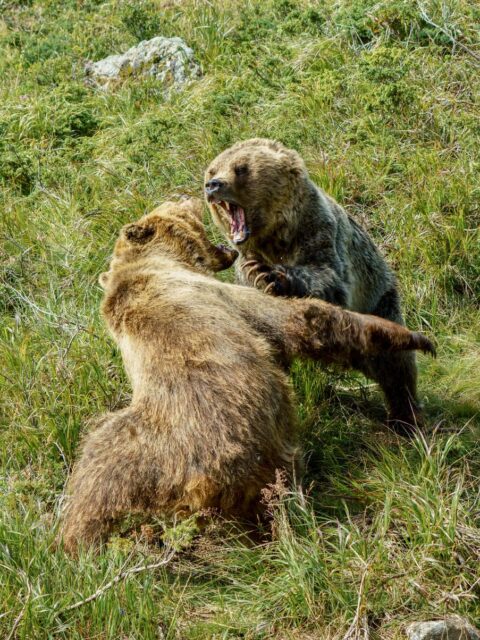
- Mountain Lions, Bears, Humans
- Defense Mechanisms
- Coyotes use vocalizations and pack behavior to defend their territory and deter threats.
- Compatible Animals
- none
- Found in Zoos
- Uncommon