


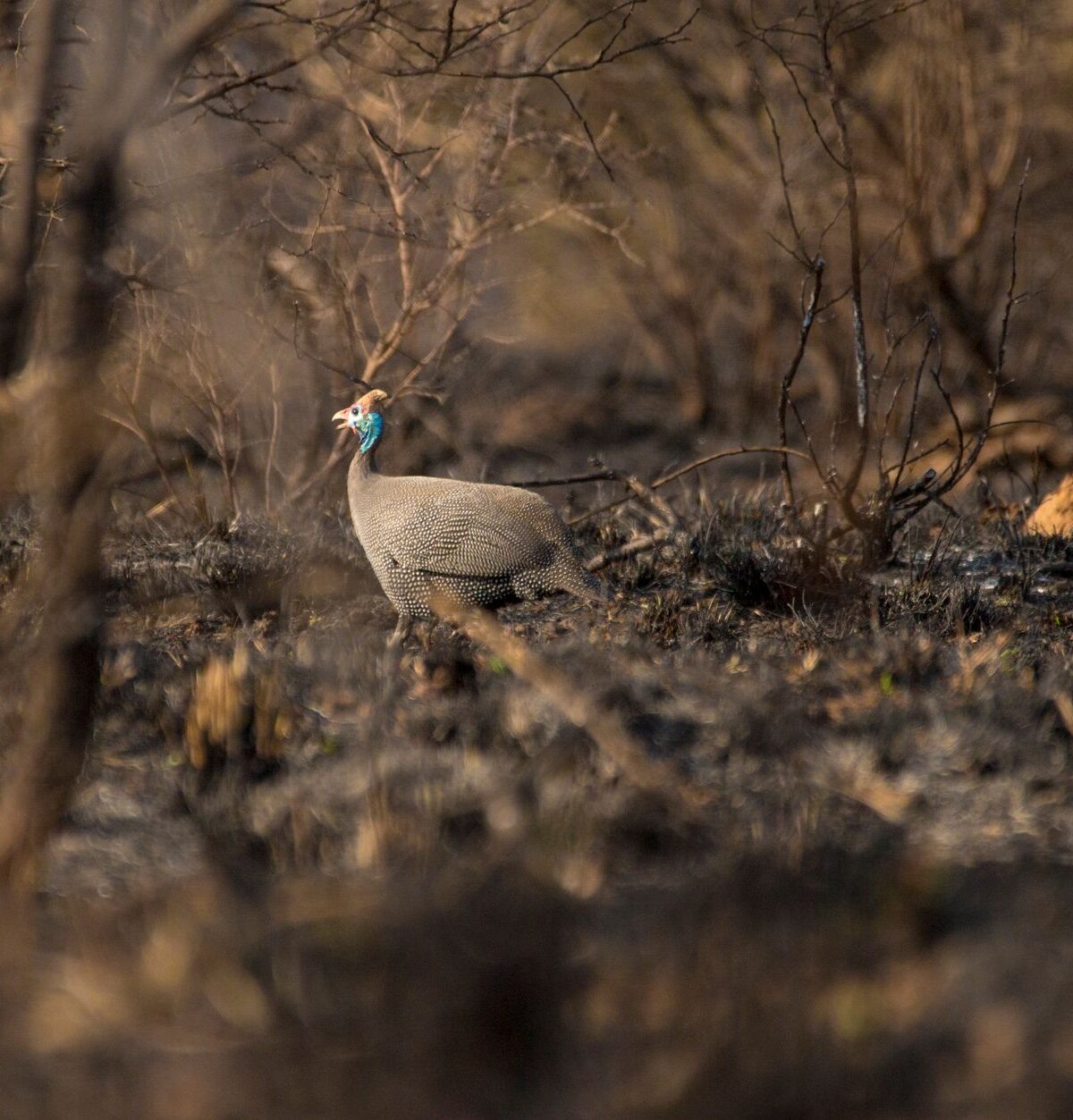
CRESTED GUINEAFOWL
Guttera pucherani
DESCRIPTION
Crested Guineafowl (Guttera pucherani) is a striking bird known for its distinctive crest and unique plumage. It features a combination of gray and black feathers with white spots, making it visually appealing. This species is often found in groups, foraging for food and exhibiting social behaviors that include vocalizations and displays of dominance.
FUN FACTS
- Crested Guineafowl are known for their unique vocalizations, which can include a variety of calls used for communication within the flock
- They are also quite agile and can run quickly to escape predators, making them adept at avoiding danger in their natural habitats.| These birds have a fascinating social structure, often engaging in cooperative behaviors such as foraging together and alerting each other to potential threats
- Their striking appearance and interesting behaviors make them a popular choice for birdwatchers and wildlife enthusiasts
QUICK INFO
Lifespan10-15 years in the wild, up to 20 years in captivi
Average Weight1.2-1.5 kg
Average Length40-50 cm
Diet TypeOmnivore
Social StructureThey are typically found in groups, often consisting of 5-20 individuals, which helps them in foraging and protection from predators.
Activity PatternDiurnal
Breeding SeasonSpring to early summer
- Habitat
- This species inhabits a variety of environments, including forests, savannas, and grasslands. They prefer areas with dense underbrush for cover and foraging.
- Biomes
- Tropical Rainforest, Savanna, Grassland
- Native Range
- Crested Guineafowl is native to central and western Africa, ranging from Senegal to Uganda.
- Continent
- Africa
- Countries
- Senegal, Gambia, Guinea, Ivory Coast, Ghana, Nigeria, Cameroon, Uganda
- Diet
- Crested Guineafowl primarily feeds on seeds, fruits, and insects, showcasing its omnivorous diet. They are known to forage on the ground, scratching through leaf litter and soil to uncover food.
- Diet Type
- Omnivore
- Favorite Food
- seeds, fruits, insects
- Social Structure
- They are typically found in groups, often consisting of 5-20 individuals, which helps them in foraging and protection from predators.
- Activity Pattern
- Diurnal
- Group Size
- 5-20
- Territorial
- 0
 VU
VU
 LC
LC
 LC
LC
1.2-1.5 kg
Weight
40-50 cm
Length
- Coloration
- Gray and black feathers with white spots and a distinctive crest.
- Sexual Dimorphism
- Males are generally larger and have more pronounced crests than females.
- Lifespan
- 10-15 years in the wild, up to 20 years in captivi
- Offspring per Birth
- 6-12 eggs
- Sexual Maturity
- 1 year
- Breeding Season
- Spring to early summer
LC
Least Concern
IUCN Red List Status
- Population Status
- The population of Crested Guineafowl is currently stable, but habitat loss poses a potential threat.
- Wild Population Estimate
- Unknown
- Population Trend
- Stable
- Endangered
- 0
- Threats
- Main threats include habitat destruction due to agriculture and deforestation. Additionally, hunting for bushmeat can impact local populations.
- Predators
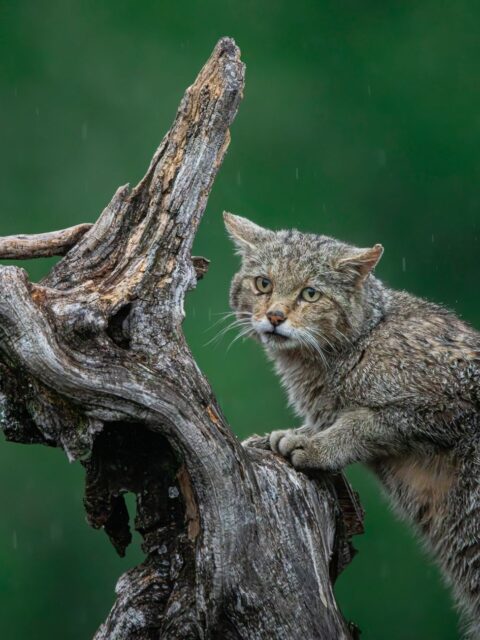
- Large birds of prey, snakes, and mammals such as foxes and wildcats.
- Defense Mechanisms
- Crested Guineafowl rely on their social structure for protection, using alarm calls to warn others of danger.
- Found in Zoos
- Uncommon