


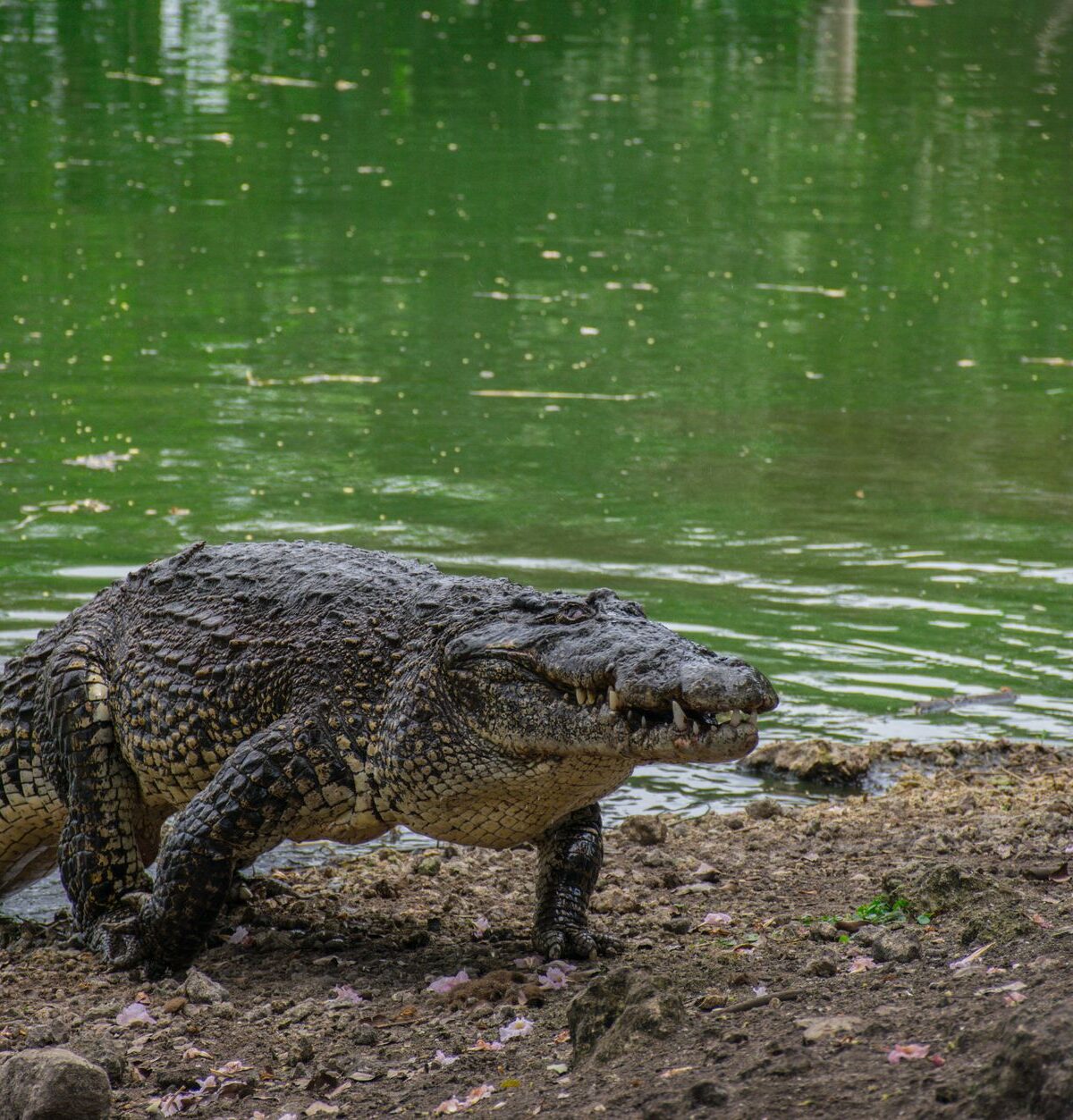
CUBAN CROCODILE
Crocodylus rhombifer
DESCRIPTION
Cuban Crocodile (Crocodylus rhombifer) is a medium-sized crocodilian known for its distinctive, elongated snout and unique diamond-shaped scales. This species exhibits a vibrant coloration, typically featuring a greenish or olive hue with dark stripes, which aids in camouflage within its natural habitat. Cuban Crocodiles are known for their aggressive behavior and are highly territorial, often engaging in displays of dominance to assert their presence in the wild.
FUN FACTS
- Cuban Crocodiles are known for their unique courtship displays, which include elaborate rituals such as vocalizations and water splashing to attract mates
- These displays are not only fascinating to observe but also play a crucial role in their reproductive success
- | Unlike many other crocodilian species, Cuban Crocodiles have a more pronounced social structure during the breeding season, where males will establish territories and engage in combat to win the favor of females
- This behavior highlights their complex social interactions and the importance of dominance in their reproductive strategies
QUICK INFO
Lifespan30-40 years in the wild
Average Weight150-230 kg
Average Length2.0-3.0 m
Diet TypeCarnivore
Social Structuresolitary, occasionally seen in pairs during breeding
Activity PatternDiurnal
Breeding SeasonSpring (April-June)
- Habitat
- Cuban Crocodiles inhabit freshwater swamps, marshes, and rivers, often preferring areas with dense vegetation for cover. They are also found in brackish waters, showcasing their adaptability to different aquatic environments.
- Biomes
- Wetlands, Freshwater, Coastal
- Native Range
- The native range of the Cuban Crocodile is limited to the islands of Cuba and the Isle of Youth.
- Continent
- North America
- Countries
- Cuba, Isle of Youth
- Diet
- Cuban Crocodiles primarily feed on fish, birds, and small mammals, utilizing their powerful jaws to capture prey. They are opportunistic hunters and will also scavenge when necessary.
- Diet Type
- Carnivore
- Favorite Food
- fish, birds, small mammals
- Social Structure
- solitary, occasionally seen in pairs during breeding
- Activity Pattern
- Diurnal
- Group Size
- 1-2
- Territorial
- 1
 VU
VU
150-230 kg
Weight
2.0-3.0 m
Length
- Coloration
- greenish or olive with dark stripes
- Sexual Dimorphism
- males are generally larger than females
- Lifespan
- 30-40 years in the wild
- Gestation Period
- 90-100 days
- Offspring per Birth
- 20-40
- Sexual Maturity
- 4-6 years
- Breeding Season
- Spring (April-June)
CR
Critically Endangered
IUCN Red List Status
- Population Status
- The population of Cuban Crocodiles is currently declining due to habitat loss and hunting.
- Wild Population Estimate
- 3,000-5,000
- Population Trend
- Decreasing
- Endangered
- 1
- Threats
- Main threats to the Cuban Crocodile include habitat destruction due to agricultural expansion and illegal hunting. Additionally, hybridization with the American Crocodile poses a significant risk to the genetic integrity of the species.
- Conservation Program
- Cuban Crocodile conservation efforts include habitat protection and breeding programs in captivity.
- Predators
- Humans, larger crocodiles, and occasionally large birds of prey.
- Defense Mechanisms
- Cuban Crocodiles rely on their powerful jaws and aggressive behavior to defend themselves against threats.
- Found in Zoos
- Uncommon