


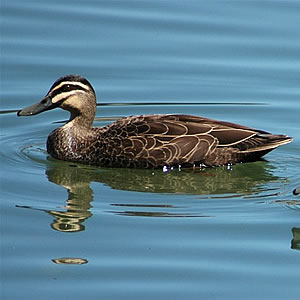
DABBLING DUCKS
Anatinae
DESCRIPTION
Dabbling Ducks (Anatinae) are commonly known as puddle ducks due to their feeding behavior, which involves tipping forward in the water to reach food. They are characterized by their relatively short necks and broad, flat bills, which are adapted for foraging in shallow waters. These ducks are often seen in wetlands, ponds, and marshes, where they engage in social behaviors and display vibrant plumage, especially during the breeding season.
FUN FACTS
- Dabbling Ducks are known for their unique feeding behavior, where they tip forward in the water to reach food, which is quite different from diving ducks that go underwater
- They also have a remarkable migratory ability, traveling thousands of miles between breeding and wintering grounds, often in large, coordinated flocks
QUICK INFO
Lifespan5-10 years in the wild, up to 15 years in captivit
Average Weight0.5-1.5 kg
Average Length50-70 cm
Diet TypeOmnivore
Social Structuregroup — they often gather in flocks, especially during migration and feeding.
Activity PatternDiurnal
Breeding SeasonSpring (March-May)
- Habitat
- Dabbling Ducks inhabit freshwater wetlands, marshes, and shallow lakes. They prefer areas with abundant vegetation for cover and food.
- Biomes
- Wetlands, Freshwater, Temperate Forest
- Native Range
- Dabbling Ducks are found across North America, Europe, Asia, and parts of Africa.
- Continent
- North America, Europe, Asia, Africa
- Countries
- United States, Canada, Mexico, United Kingdom, France, Germany, China
- Diet
- Dabbling Ducks primarily feed on aquatic plants, seeds, and small invertebrates. They forage by tipping forward in the water or grazing on land.
- Diet Type
- Omnivore
- Favorite Food
- aquatic plants, seeds, invertebrates
- Social Structure
- group — they often gather in flocks, especially during migration and feeding.
- Activity Pattern
- Diurnal
- Group Size
- 10-100
- Territorial
- 0

 LC
LC
 VU
VU
 LC
LC
0.5-1.5 kg
Weight
50-70 cm
Length
- Coloration
- Dabbling Ducks exhibit a variety of colors, often with iridescent wing patches and contrasting patterns between males and females.
- Sexual Dimorphism
- males are typically more colorful than females, especially during the breeding season.
- Lifespan
- 5-10 years in the wild, up to 15 years in captivit
- Offspring per Birth
- 8-12
- Sexual Maturity
- 1 year
- Breeding Season
- Spring (March-May)
LC
Least Concern
IUCN Red List Status
- Population Status
- Dabbling Ducks are generally abundant, but some species may face localized declines.
- Wild Population Estimate
- millions, varies by species
- Population Trend
- Stable
- Endangered
- 0
- Threats
- Main threats include habitat loss due to wetland drainage and pollution. Climate change also poses risks to their breeding and migratory patterns.
- Predators
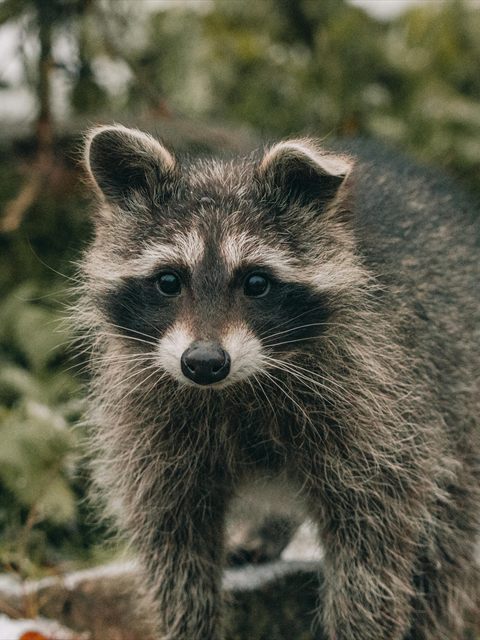
- foxes, raccoons, birds of prey, large fish
- Defense Mechanisms
- Dabbling Ducks rely on their ability to fly quickly and their camouflage to evade predators.
- Compatible Animals
- geese, swans, other waterfowl
- Found in Zoos
- Common