


DABCHICK
Tachybaptus ruficollis
DESCRIPTION
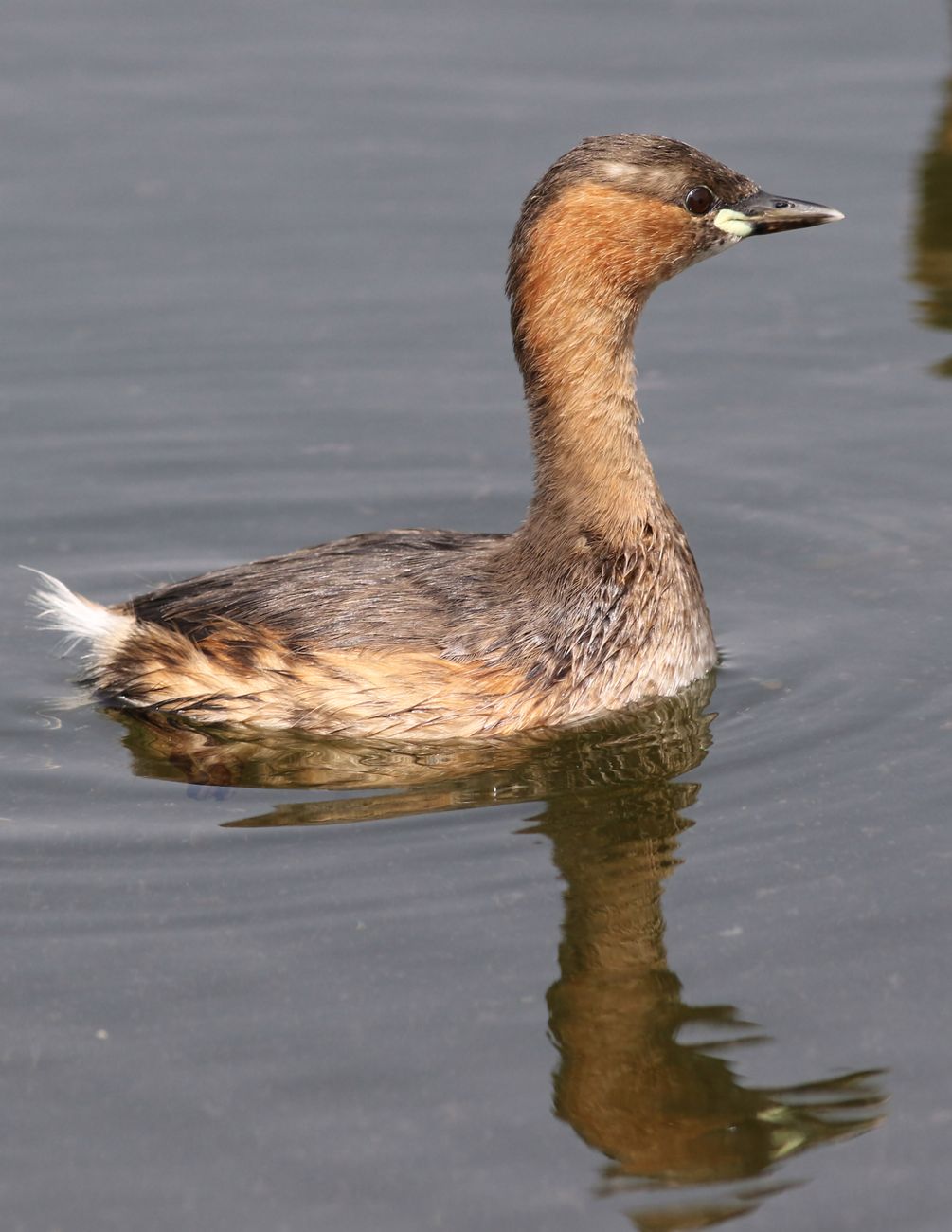
Dabchick (Tachybaptus ruficollis) is a small water bird known for its distinctive appearance, featuring a compact body and a relatively short neck. It has a brownish-red neck and a dark brown back, with a lighter underside, making it well-camouflaged in its aquatic habitat. Dabchicks are excellent divers and swimmers, often seen foraging for food underwater, and they are known for their unique courtship displays during the breeding season.
FUN FACTS
- Dabchicks are known for their unique courtship displays, which include synchronized swimming and elaborate posturing
- These displays are not only a way to attract mates but also strengthen pair bonds
- | Despite their small size, Dabchicks are fierce defenders of their territory, often engaging in aggressive behaviors to ward off intruders
- They can be quite vocal, using a variety of calls to communicate with each other, especially during the breeding season
QUICK INFO
Lifespan5-10 years in the wild
Average Weight200-400 g
Average Length23-30 cm
Diet TypePiscivore
Social Structurepair, often seen alone or in small groups outside of breeding season
Activity PatternDiurnal
Breeding SeasonSpring to early summer
- Habitat
- Dabchicks inhabit freshwater lakes, ponds, and marshes, often favoring areas with abundant vegetation. They prefer shallow waters where they can easily dive for food and build their nests.
- Biomes
- Freshwater, Wetlands
- Native Range
- Dabchicks are found across Europe, Asia, and parts of Africa, with some populations migrating seasonally.
- Continent
- Europe, Asia, Africa
- Countries
- United Kingdom, France, Germany, India, China
- Diet
- Dabchicks primarily feed on small fish, aquatic invertebrates, and plant material. They are adept at catching prey while swimming or diving.
- Diet Type
- Piscivore
- Favorite Food
- small fish, aquatic invertebrates
- Social Structure
- pair, often seen alone or in small groups outside of breeding season
- Activity Pattern
- Diurnal
- Group Size
- 1-5
- Territorial
- 1

 VU
VU
200-400 g
Weight
23-30 cm
Length
- Coloration
- brownish-red neck, dark brown back, lighter underside
- Sexual Dimorphism
- males and females are similar in appearance, but males may have slightly brighter coloration during breeding season
- Lifespan
- 5-10 years in the wild
- Offspring per Birth
- 2-6
- Sexual Maturity
- 1-2 years
- Breeding Season
- Spring to early summer
LC
Least Concern
IUCN Red List Status
- Population Status
- The population of Dabchicks is generally stable, although local declines may occur due to habitat loss.
- Wild Population Estimate
- 100,000-1,000,000
- Population Trend
- Stable
- Endangered
- 0
- Threats
- Main threats include habitat destruction due to drainage of wetlands and pollution. Climate change also poses a risk to their breeding habitats.
- Predators
- Foxes, birds of prey, and larger fish can pose threats to Dabchicks, especially to their eggs and young.
- Defense Mechanisms
- Dabchicks often rely on their excellent diving ability to escape predators, submerging themselves in water when threatened.
- Found in Zoos
- Uncommon