


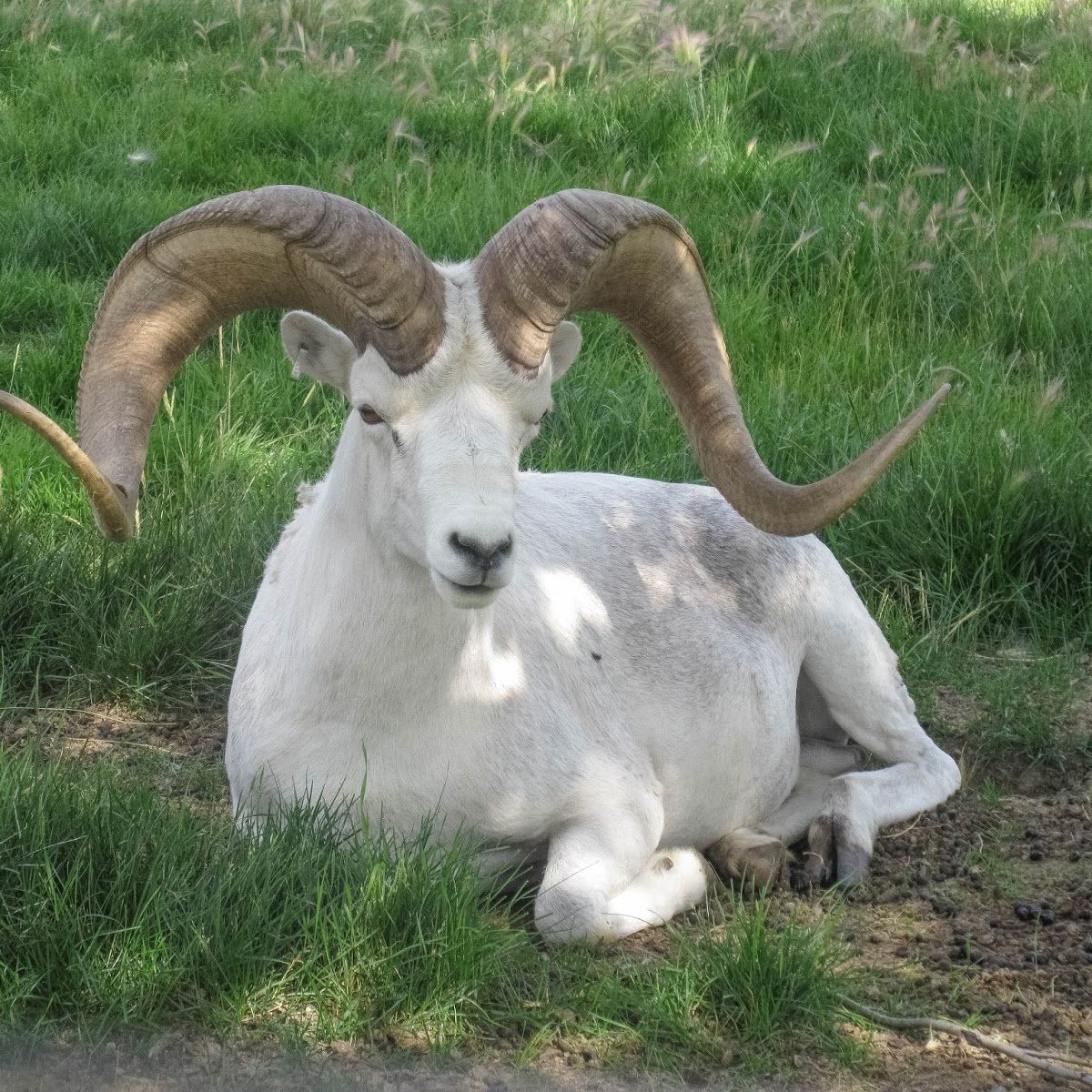
DALL SHEEP
DESCRIPTION
Dall Sheep, also known as Dall's Sheep, are a species of wild sheep found in the mountainous regions of North America. They are characterized by their white to cream-colored coats, which provide excellent camouflage against the rocky terrain. Males possess large, curved horns that can weigh up to 30 pounds, while females have smaller, less curved horns; both sexes exhibit a robust build adapted for their rugged habitat.
FUN FACTS
- Dall Sheep are named after the American naturalist William Healey Dall, who studied the species in the late 19th century
- Their ability to navigate steep and rocky terrains is remarkable; they can leap across gaps of up to 10 feet, making them well-adapted to their mountainous habitats.|Dall Sheep have a unique social structure, with females and young forming herds that can number in the dozens, while males often prefer solitude or small bachelor groups
- This social dynamic helps ensure the safety of the young while allowing males to compete for mates during the breeding season
QUICK INFO
Lifespan10-15 years in the wild, up to 20 years in captivi
Average Weight50-90 kg
Average Length1.5-1.8 m
Diet TypeHerbivore
Social Structuregroup — females and young typically form herds, while males may be solitary or in small groups.
Activity PatternDiurnal
Breeding SeasonFall (November-December)
- Habitat
- Dall Sheep inhabit steep, rocky terrains in mountainous regions, often at high elevations. They prefer areas with abundant vegetation for grazing and access to cliffs for safety from predators.
- Biomes
- Alpine, Tundra
- Native Range
- Dall Sheep are native to the mountainous regions of Alaska and the Yukon, extending into parts of British Columbia and the Northwest Territories.
- Continent
- North America
- Countries
- United States, Canada
- Diet
- Dall Sheep are herbivores, primarily grazing on grasses, sedges, and other vegetation found in their alpine and subalpine habitats. They are known to forage on a variety of plant species depending on the season.
- Diet Type
- Herbivore
- Favorite Food
- grasses, sedges, and alpine vegetation
- Social Structure
- group — females and young typically form herds, while males may be solitary or in small groups.
- Activity Pattern
- Diurnal
- Group Size
- 5-30
- Territorial
- 0
 LC
LC
 LC
LC
50-90 kg
Weight
1.5-1.8 m
Length
0.9-1.1 m at shoulder
Height (Shoulder)
- Coloration
- white to cream-colored coat
- Sexual Dimorphism
- males are larger and have larger, curved horns compared to females
- Lifespan
- 10-15 years in the wild, up to 20 years in captivi
- Gestation Period
- 150 days
- Offspring per Birth
- 1
- Sexual Maturity
- 2-3 years
- Breeding Season
- Fall (November-December)
LC
Least Concern
IUCN Red List Status
- Population Status
- The population of Dall Sheep is generally stable, although some local populations may be affected by environmental changes.
- Wild Population Estimate
- approximately 30,000
- Population Trend
- Stable
- Endangered
- 0
- Threats
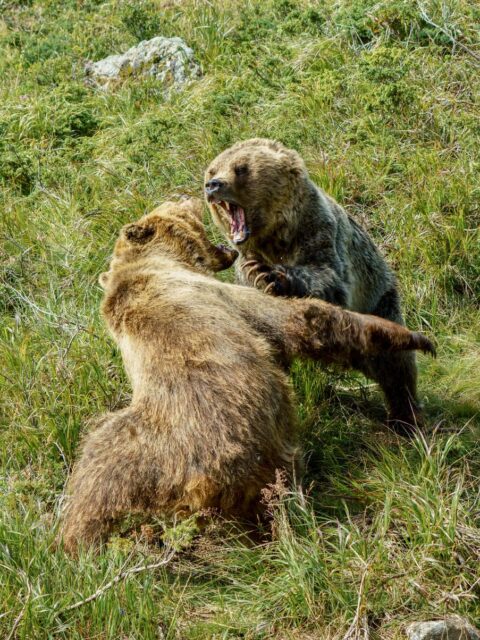
- Main threats to Dall Sheep include habitat loss due to climate change and human encroachment, as well as predation by wolves and bears. Overhunting in some areas has also contributed to population declines.
- Predators
- Wolves, bears, and mountain lions are known predators of Dall Sheep.
- Defense Mechanisms
- Dall Sheep utilize their agility and speed to escape predators, often retreating to steep cliffs where they can evade capture.
- Found in Zoos
- Uncommon