


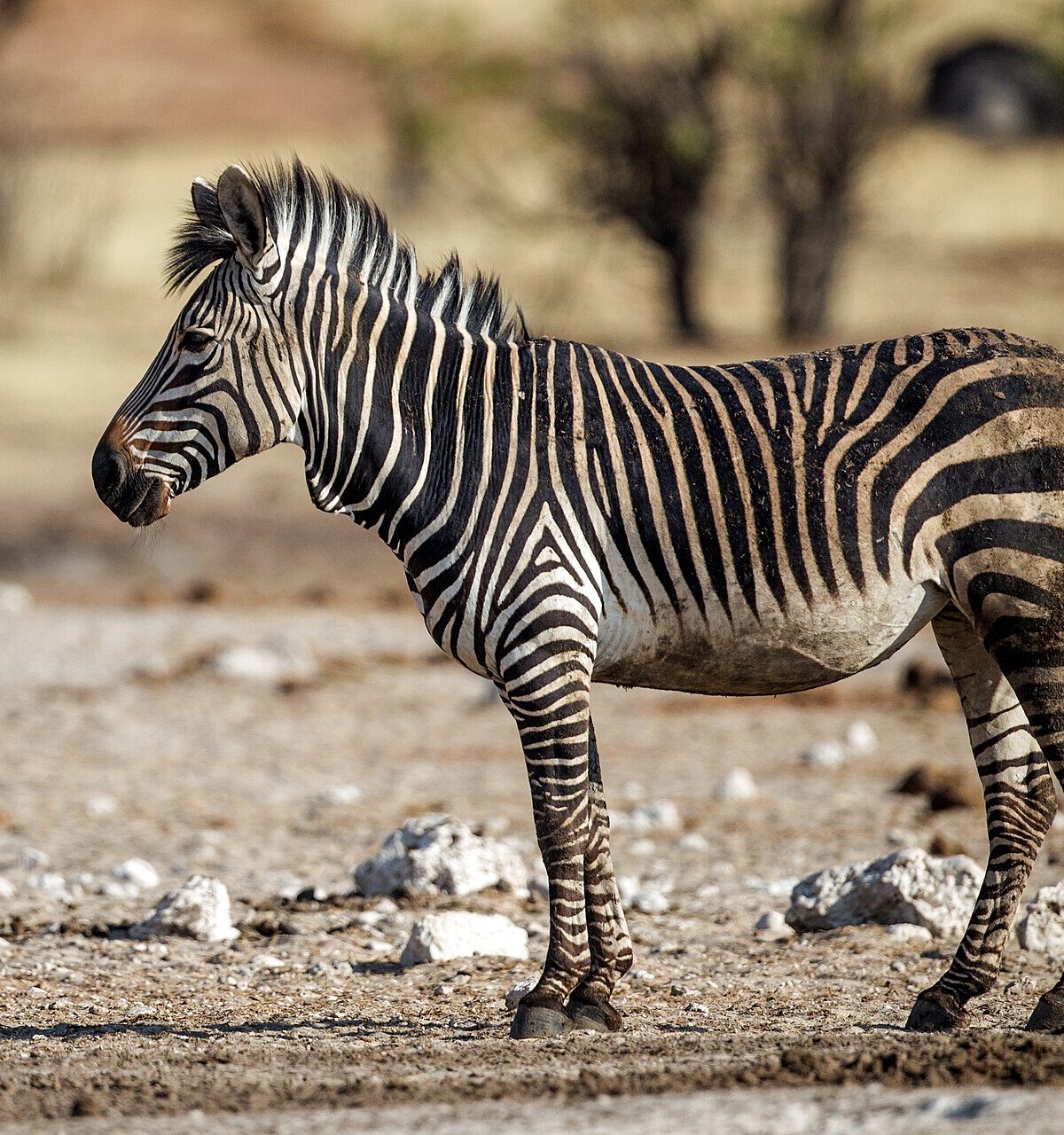
DAMARA ZEBRA
Equus zebra
DESCRIPTION
Damara Zebra (Equus zebra) is commonly known as the Mountain Zebra, characterized by its distinctive vertical stripes that are more pronounced on the neck and face. This species exhibits a robust build with a unique dewlap, which is a fold of skin under the throat. Damara Zebras are social animals, often found in small herds, and they inhabit arid and semi-arid regions, showcasing remarkable adaptability to their environment.
FUN FACTS
- Damara Zebras are unique among zebras for their ability to thrive in harsh, dry environments, showcasing their adaptability
- | Their stripes are not just for show; they help regulate body temperature and deter biting insects, making them a fascinating example of evolutionary adaptation
QUICK INFO
Lifespan20-25 years in the wild, up to 30 in captivity
Average Weight200-300 kg
Average Length2.0-2.5 m
Diet TypeHerbivore
Social Structuregroup — they typically live in small herds consisting of a few individuals, often led by a dominant male.
Activity PatternDiurnal
Breeding SeasonYear-round, with peaks depending on environmental conditions
- Habitat
- They thrive in open grasslands, savannas, and mountainous regions, often preferring areas with access to water sources. Their habitat is typically characterized by sparse vegetation and rocky terrain.
- Biomes
- Savanna, Grassland, Montane
- Native Range
- Damara Zebras are native to southwestern Africa, particularly in Namibia and parts of South Africa.
- Continent
- Africa
- Countries
- Namibia, South Africa
- Diet
- Damara Zebras primarily graze on grasses and leaves, utilizing their strong teeth to strip foliage. They are known to consume a variety of plant materials depending on availability.
- Diet Type
- Herbivore
- Favorite Food
- grasses, leaves
- Social Structure
- group — they typically live in small herds consisting of a few individuals, often led by a dominant male.
- Activity Pattern
- Diurnal
- Group Size
- 5-15
- Territorial
- 0
 LC
LC
 LC
LC
200-300 kg
Weight
2.0-2.5 m
Length
1.2 m at shoulder
Height (Shoulder)
- Coloration
- They have a striking coat with bold black and white stripes, which can vary in pattern and intensity.
- Sexual Dimorphism
- Males are generally larger and have more pronounced manes than females.
- Lifespan
- 20-25 years in the wild, up to 30 in captivity
- Gestation Period
- 12 months
- Offspring per Birth
- 1
- Sexual Maturity
- 3-4 years
- Breeding Season
- Year-round, with peaks depending on environmental conditions
LC
Least Concern
IUCN Red List Status
- Population Status
- The population of Damara Zebras is currently stable but localized, with some areas experiencing pressures from habitat loss.
- Wild Population Estimate
- 10,000-15,000
- Population Trend
- Stable
- Endangered
- 0
- Threats
- Main threats include habitat loss due to agricultural expansion and competition with livestock. Additionally, poaching poses a risk in certain areas.
- Predators
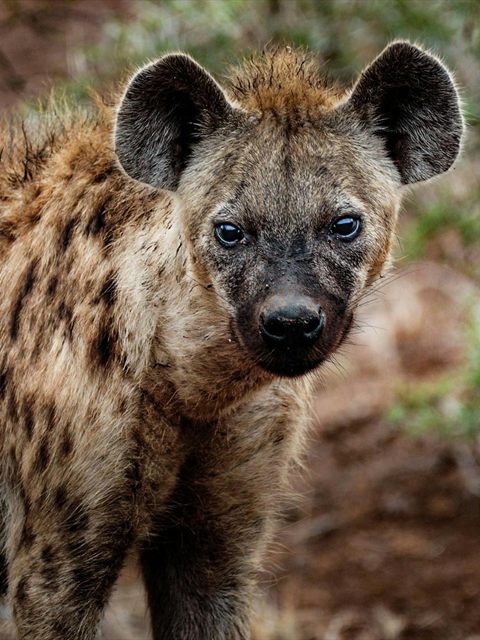
- Lions, hyenas, and crocodiles are known predators of Damara Zebras, particularly when they are near water sources.
- Defense Mechanisms
- They rely on their speed and agility to escape predators, often using their strong herd instincts to confuse attackers.
- Compatible Animals
- None
- Found in Zoos
- Uncommon