


DEATH ADDER
Acanthophis spp.
DESCRIPTION
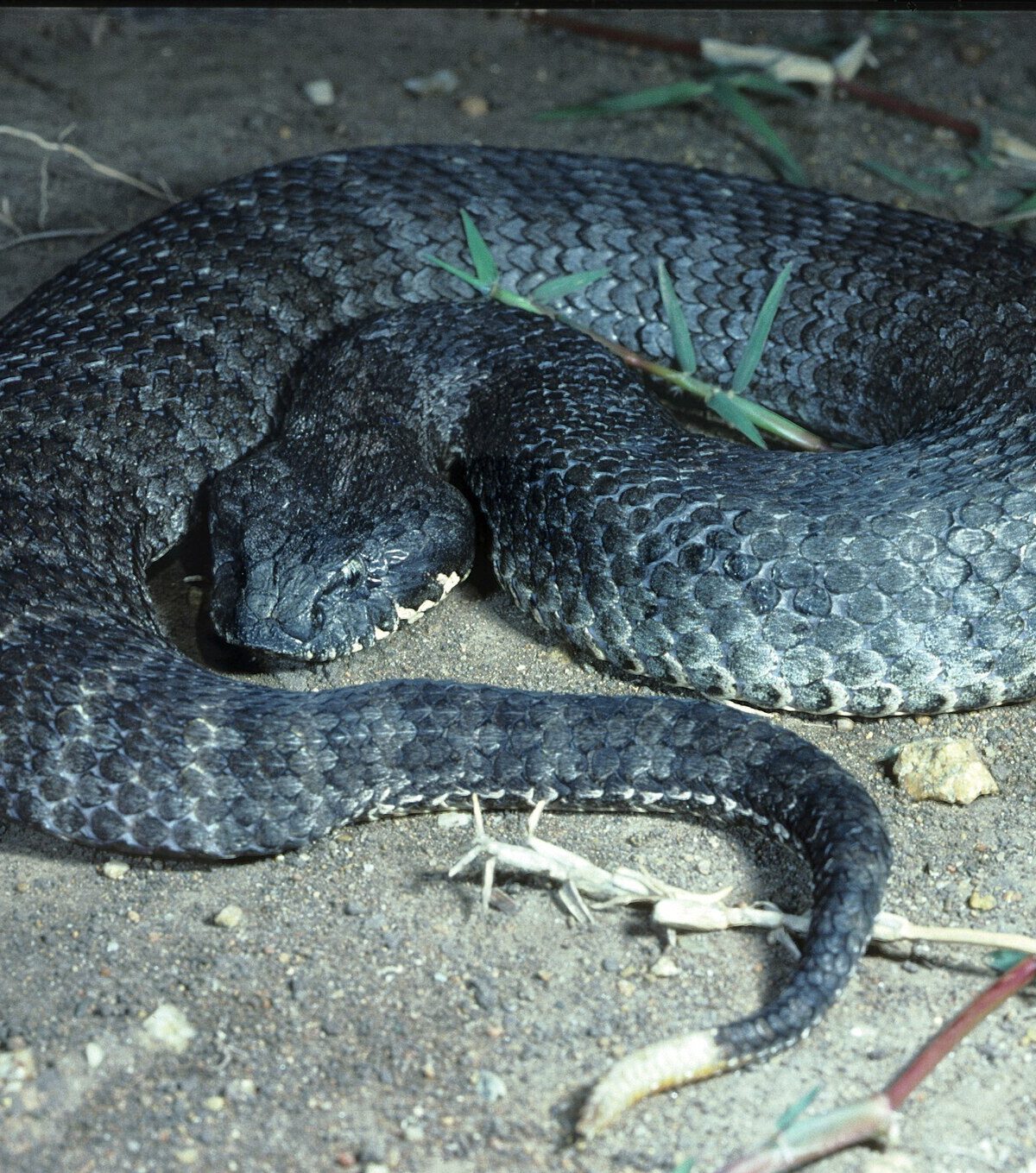
Death Adder (Acanthophis spp.) is a highly venomous snake known for its distinctive appearance, featuring a broad, triangular head and a stout body. Its coloration varies, often displaying patterns of browns, blacks, and yellows that provide excellent camouflage in its natural habitat. This species is known for its ambush hunting strategy, where it remains motionless and relies on its cryptic coloration to blend into the environment, striking quickly at passing prey.
FUN FACTS
- Death Adders are known for their unique hunting technique, where they use a lure-like movement of their tail to attract prey, mimicking the appearance of a worm or small animal
- This strategy is highly effective, allowing them to catch unsuspecting animals that come too close
- | Despite their fearsome reputation, Death Adders are generally not aggressive towards humans and will often try to escape rather than confront a threat
- However, if provoked, they can deliver a potent bite that requires immediate medical attention
QUICK INFO
Lifespan10-15 years in the wild, up to 20 years in captivi
Average Weight0.5-2 kg
Average Length0.6-1.2 m
Diet TypeCarnivore
Social Structuresolitary, typically found alone except during mating season
Activity PatternDiurnal
Breeding SeasonSpring (September-November)
- Habitat
- Death Adders inhabit a variety of environments, including woodlands, grasslands, and coastal regions. They prefer areas with ample cover, such as leaf litter or dense vegetation, which aids in their ambush hunting technique.
- Biomes
- Temperate Forest, Grassland, Savanna
- Native Range
- Death Adders are native to Australia and New Guinea, with some species found in nearby islands.
- Continent
- Australia, Oceania
- Countries
- Australia, Papua New Guinea, Indonesia
- Diet
- Death Adders primarily feed on small mammals, birds, and reptiles, using their potent venom to immobilize their prey. They are known for their quick strikes and can consume prey that is larger than their own head.
- Diet Type
- Carnivore
- Favorite Food
- small mammals, birds, reptiles
- Social Structure
- solitary, typically found alone except during mating season
- Activity Pattern
- Diurnal
- Group Size
- 1
- Territorial
- 0
 VU
VU
0.5-2 kg
Weight
0.6-1.2 m
Length
- Coloration
- varies from browns to blacks with yellow or white markings
- Sexual Dimorphism
- males are generally smaller than females
- Lifespan
- 10-15 years in the wild, up to 20 years in captivi
- Gestation Period
- 60-70 days
- Offspring per Birth
- 5-20
- Sexual Maturity
- 2-3 years
- Breeding Season
- Spring (September-November)
LC
Least Concern
IUCN Red List Status
- Population Status
- The population of Death Adders is currently stable, but local declines may occur due to habitat loss.
- Wild Population Estimate
- unknown
- Population Trend
- Stable
- Endangered
- 0
- Threats
- Main threats include habitat destruction due to urban development and agriculture, as well as road mortality. Additionally, they face risks from invasive species that may compete for food or prey on them.
- Predators
- birds of prey, larger snakes, and some mammals may prey on juvenile Death Adders.
- Defense Mechanisms
- Death Adders rely on their venom for defense and their cryptic coloration for camouflage, allowing them to avoid detection.
- Found in Zoos
- Uncommon