



DEFASSA WATERBUCK
Kobus defassa
DESCRIPTION
The Defassa Waterbuck is a large antelope characterized by its long, slender legs and a distinctive white ring around its rump. Males are typically larger than females and possess long, spiral horns that can reach up to 90 cm in length. They are known for their water-loving behavior, often found near rivers and lakes, and have a shaggy, water-repellent coat that helps them stay dry in their wetland habitats.
FUN FACTS
- Defassa Waterbucks are excellent swimmers and can submerge themselves in water to evade predators, only exposing their nostrils to breathe
- | Their shaggy coat is not only water-repellent but also helps them regulate their body temperature in hot climates, making them well-adapted to their environment
QUICK INFO
Lifespan10-15 years in the wild, up to 20 years in captivi
Average Weight100-150 kg
Average Length1.5-2.0 m
Diet TypeHerbivore
Social StructureThey are typically found in small groups, often consisting of females and their offspring, while males may be solitary or form bachelor groups.
Activity PatternDiurnal
Breeding SeasonYear-round, with peaks depending on local conditions
- Habitat
- Defassa Waterbucks inhabit wetlands, savannas, and riverine forests, often near water sources. They prefer areas with dense vegetation that provides cover from predators.
- Biomes
- Savanna, Wetland
- Native Range
- The Defassa Waterbuck is native to sub-Saharan Africa, particularly in regions with abundant water sources.
- Continent
- Africa
- Countries
- Kenya, Tanzania, Uganda, Zambia, Botswana, Namibia
- Diet
- Defassa Waterbucks are herbivores, primarily grazing on grasses and aquatic plants. They may also browse on leaves and shrubs when grass is scarce.
- Diet Type
- Herbivore
- Favorite Food
- grasses, aquatic plants
- Social Structure
- They are typically found in small groups, often consisting of females and their offspring, while males may be solitary or form bachelor groups.
- Activity Pattern
- Diurnal
- Group Size
- 5-20
- Territorial
- 0
 LC
LC
 VU
VU
 LC
LC
 VU
VU
100-150 kg
Weight
1.5-2.0 m
Length
1.0-1.2 m at shoulder
Height (Shoulder)
- Coloration
- The coat is a brownish-gray color with a lighter underbelly and distinctive white markings on the face and around the eyes.
- Sexual Dimorphism
- Males are larger and have long, spiral horns, while females are smaller and hornless.
- Lifespan
- 10-15 years in the wild, up to 20 years in captivi
- Gestation Period
- 230 days
- Offspring per Birth
- 1
- Sexual Maturity
- 1.5-2 years
- Breeding Season
- Year-round, with peaks depending on local conditions
LC
Least Concern
IUCN Red List Status
- Population Status
- The population is currently stable, but habitat loss and hunting pose threats.
- Wild Population Estimate
- 50,000-100,000
- Population Trend
- Stable
- Endangered
- 0
- Threats
- Main threats include habitat destruction due to agriculture and human encroachment, as well as hunting for sport and bushmeat.
- Predators
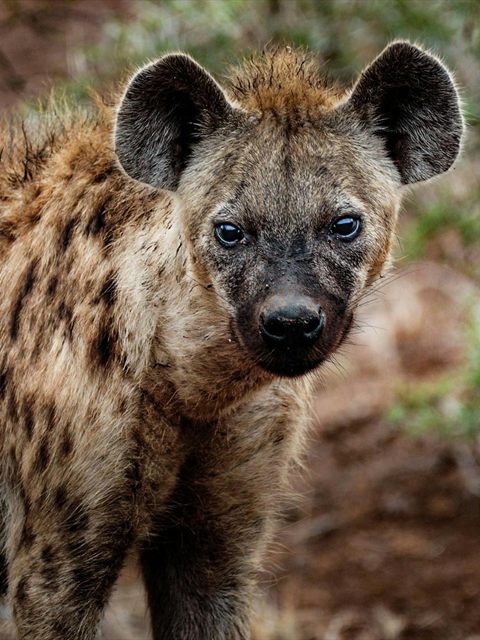
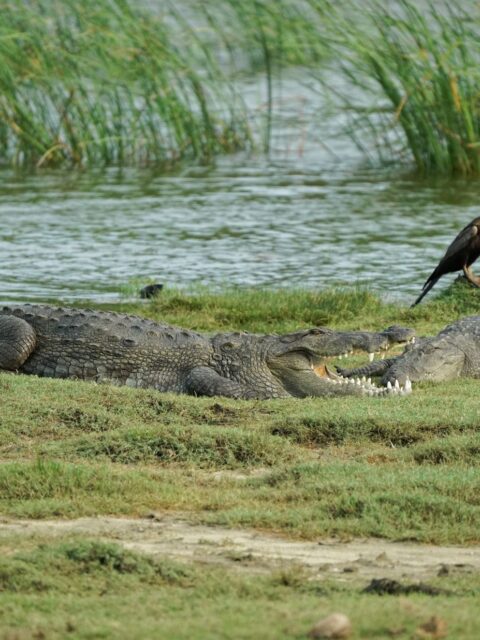
- Lions, leopards, hyenas, crocodiles
- Defense Mechanisms
- Defassa Waterbucks rely on their agility and speed to escape predators, often retreating into water where they can swim to safety.
- Compatible Animals
- Commonly kept with other antelope species, such as Impalas and Nyala.
- Found in Zoos
- Uncommon