


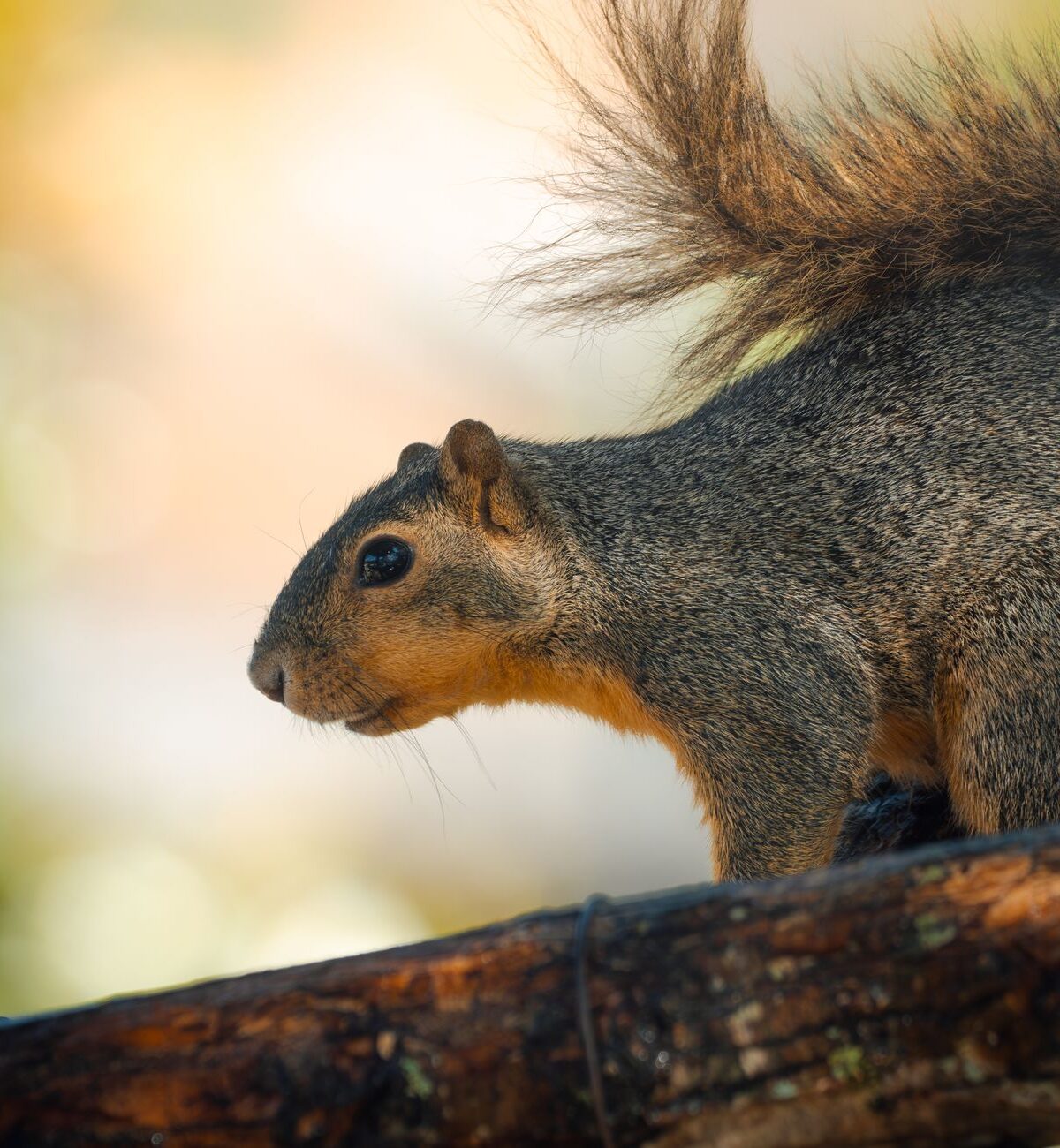
DELMARVA FOX SQUIRREL
Sciurus niger cinereus
DESCRIPTION
Delmarva Fox Squirrel (Sciurus niger cinereus) is a subspecies of the Eastern Fox Squirrel, characterized by its large size and distinctive grayish coloration. This squirrel has a bushy tail and a robust body, with adults typically weighing between 1.5 to 2.5 pounds. They are known for their relatively docile behavior and can often be seen foraging on the ground or climbing trees in their natural habitat.
FUN FACTS
- Delmarva Fox Squirrels were once on the brink of extinction, with populations dwindling to fewer than 100 individuals in the 1970s
- Conservation efforts have successfully increased their numbers, allowing them to be reintroduced into parts of their historical range
- | These squirrels are known for their unique vocalizations, which include a variety of chirps and barks used to communicate with each other
- Their social interactions are often observed during the breeding season when males compete for the attention of females
QUICK INFO
Lifespan6-12 years in the wild, up to 18 years in captivit
Average Weight1.5-2.5 kg
Average Length60-75 cm
Diet TypeHerbivore
Social StructureSolitary, with occasional pairs during breeding season.
Activity PatternDiurnal
Breeding SeasonLate winter to early spring (February-April)
- Habitat
- This species inhabits mature hardwood forests, particularly those with a mix of oak and hickory trees. They prefer areas with open understories that allow for easy movement and foraging.
- Biomes
- Temperate Forest
- Native Range
- The Delmarva Fox Squirrel is native to the Delmarva Peninsula, which includes parts of Delaware, Maryland, and Virginia.
- Continent
- North America
- Countries
- United States
- Diet
- Delmarva Fox Squirrels primarily feed on nuts, seeds, and fruits, with a particular preference for acorns and hickory nuts. They are known to cache food for later consumption, which plays a crucial role in forest regeneration.
- Diet Type
- Herbivore
- Favorite Food
- Acorns, hickory nuts
- Social Structure
- Solitary, with occasional pairs during breeding season.
- Activity Pattern
- Diurnal
- Group Size
- 1-2
- Territorial
- 1
 LC
LC
 LC
LC
 LC
LC
 LC
LC
1.5-2.5 kg
Weight
60-75 cm
Length
- Coloration
- Grayish with a lighter underbelly and a bushy tail.
- Lifespan
- 6-12 years in the wild, up to 18 years in captivit
- Gestation Period
- 44 days
- Offspring per Birth
- 2-4
- Sexual Maturity
- 10-12 months
- Breeding Season
- Late winter to early spring (February-April)
EN
Endangered
IUCN Red List Status
- Population Status
- The population of Delmarva Fox Squirrels has been recovering due to conservation efforts, but they remain vulnerable.
- Wild Population Estimate
- Approximately 20,000
- Population Trend
- Increasing
- Endangered
- 1
- Threats
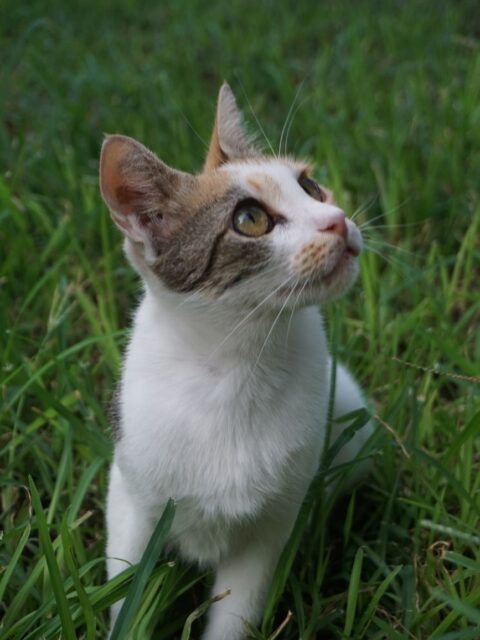
- Main threats include habitat loss due to urban development and agriculture, as well as predation by domestic cats and other animals. Conservation efforts are focused on habitat restoration and protection.
- Conservation Program
- Delmarva Fox Squirrel Recovery Plan
- Predators
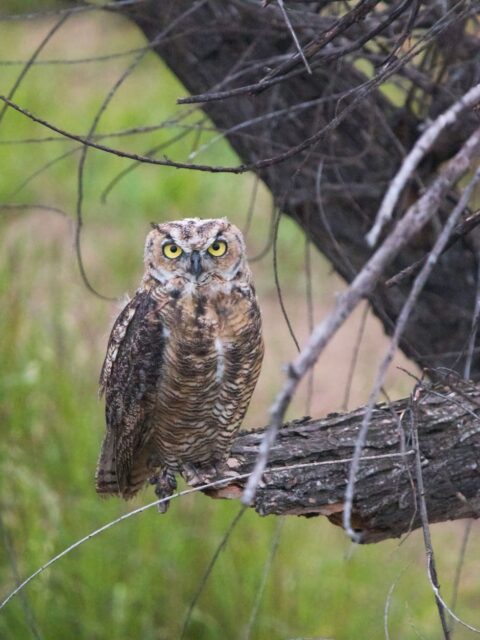
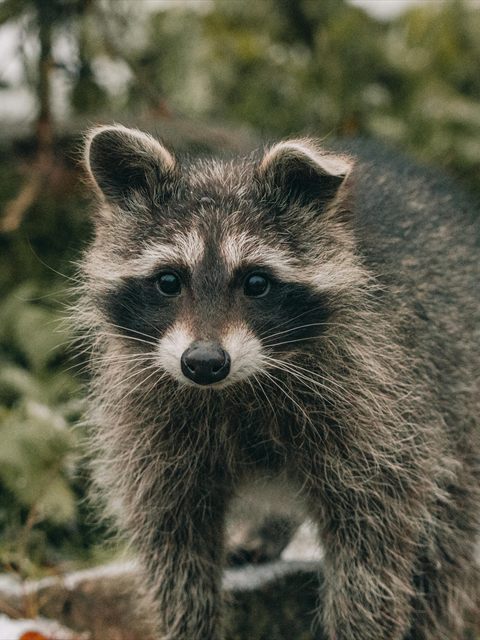
- Red-tailed Hawks, Great Horned Owls, domestic cats, foxes, and raccoons.
- Defense Mechanisms
- They use their agility to escape predators and can also freeze in place to avoid detection.
- Found in Zoos
- Uncommon