


DESERT TORTOISE
Gopherus agassizii
DESCRIPTION
The Desert Tortoise (Gopherus agassizii) is a large, herbivorous tortoise native to the Mojave and Sonoran Deserts of the southwestern United States. It is well-adapted to arid environments, with a high-domed shell and the ability to burrow to escape extreme temperatures.
FUN FACTS
- Desert Tortoises can store water in their bodies for long periods | They can live for over 50 years in the wild | Their burrows can be up to 10 feet deep
QUICK INFO
Lifespan50-80 years in the wild
Average Weight8-15 kg
Average Length0.9-1.2 m
Diet TypeHerbivore
Social Structuresolitary, occasionally found in pairs during mating season
Activity PatternDiurnal
Breeding SeasonSpring (March-May)
- Habitat
- Desert Tortoises inhabit arid desert regions characterized by sparse vegetation and extreme temperature fluctuations. They often create burrows to escape the heat and retain moisture.
- Biomes
- Desert
- Native Range
- The native range includes the Mojave and Sonoran Deserts in the southwestern United States.
- Continent
- North America
- Countries
- United States
- Diet
- Desert Tortoises primarily feed on a variety of desert vegetation, including grasses, wildflowers, and cacti. They are known to consume large amounts of moisture-rich plants to help them survive in their dry habitat.
- Diet Type
- Herbivore
- Favorite Food
- grasses, wildflowers, cacti
- Social Structure
- solitary, occasionally found in pairs during mating season
- Activity Pattern
- Diurnal
- Group Size
- 1-2
- Territorial
- 0
 LC
LC
 LC
LC
LC
LC
8-15 kg
Weight
0.9-1.2 m
Length
- Coloration
- The shell is typically brown to tan with lighter markings, providing camouflage in their desert environment.
- Sexual Dimorphism
- Males tend to have slightly larger tails and more concave plastrons than females.
- Lifespan
- 50-80 years in the wild
- Offspring per Birth
- 3-15
- Sexual Maturity
- 15-20 years
- Breeding Season
- Spring (March-May)
VU
Vulnerable
IUCN Red List Status
- Population Status
- The population is currently declining due to habitat loss and other threats.
- Wild Population Estimate
- 200,000-300,000
- Population Trend
- Decreasing
- Endangered
- 1
- Threats
- Main threats include habitat destruction, climate change, and predation by invasive species. Urban development and off-road vehicle use also pose significant risks.
- Conservation Program
- The Desert Tortoise Recovery Plan aims to protect and restore populations and habitats.
- Predators
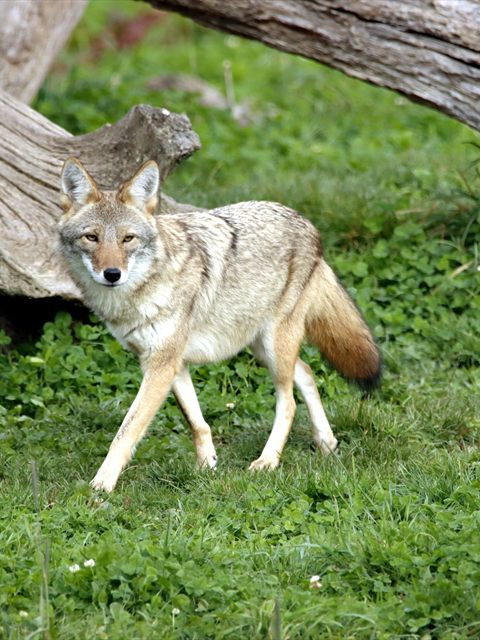
- Coyote, ravens, and domestic dogs
- Defense Mechanisms
- Desert Tortoises can retreat into their shells for protection against predators.
- Found in Zoos
- Uncommon