


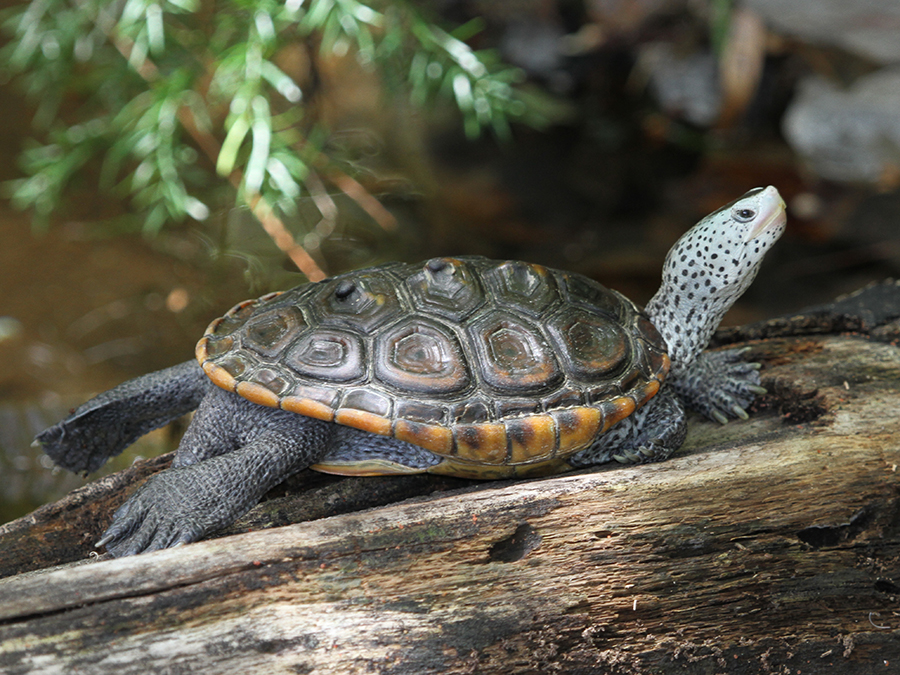
DIAMONDBACK TERRAPIN
DESCRIPTION
The Diamondback Terrapin is a unique species of turtle known for its distinctive diamond-patterned shell, which can vary in color from gray to brown. They are medium-sized turtles, typically measuring between 4 to 10 inches in length, and possess a slightly elongated neck and webbed feet, making them adept swimmers. These turtles are primarily found in brackish coastal waters and are known for their adaptability to both marine and freshwater environments.
FUN FACTS
- Diamondback Terrapins are the only turtles that live in brackish water, which is a mix of fresh and saltwater
- They have a unique ability to tolerate higher salinity levels than most freshwater turtles, allowing them to thrive in coastal environments
- | These turtles are named for the diamond-shaped patterns on their shells, which can be quite striking and vary significantly among individuals
- They are also known for their strong nesting instincts, often returning to the same sandy beaches year after year to lay their eggs
QUICK INFO
Lifespan20-40 years in the wild
Average Weight1-2 kg
Average Length4-10 inches
Diet TypeOmnivore
Social Structuresolitary, occasionally seen in small groups during basking
Activity PatternDiurnal
Breeding SeasonSpring to early summer
- Habitat
- They inhabit coastal marshes, estuaries, and tidal creeks, often preferring areas with abundant vegetation and soft substrates. Terrapins are also known to bask on mudflats and sandy shores.
- Biomes
- Estuary, Coastal Marsh
- Native Range
- The native range of the Diamondback Terrapin extends along the Atlantic and Gulf coasts of the United States, from Cape Cod in Massachusetts to the Gulf of Mexico.
- Continent
- North America
- Countries
- United States
- Diet
- Diamondback Terrapins are omnivorous, feeding on a variety of plant and animal matter. Their diet includes crustaceans, mollusks, and aquatic vegetation.
- Diet Type
- Omnivore
- Favorite Food
- crabs, snails, aquatic plants
- Social Structure
- solitary, occasionally seen in small groups during basking
- Activity Pattern
- Diurnal
- Group Size
- 1-5
- Territorial
- 0
 LC
LC
 VU
VU
 LC
LC
1-2 kg
Weight
4-10 inches
Length
- Coloration
- The shell is typically gray or brown with a distinctive diamond pattern, while the skin can be olive to gray.
- Sexual Dimorphism
- Males are generally smaller than females and have longer tails.
- Lifespan
- 20-40 years in the wild
- Offspring per Birth
- 4-20
- Sexual Maturity
- 3-5 years
- Breeding Season
- Spring to early summer
VU
Vulnerable
IUCN Red List Status
- Population Status
- The population of Diamondback Terrapins is currently declining due to habitat loss and other threats.
- Wild Population Estimate
- Unknown
- Population Trend
- Decreasing
- Endangered
- 1
- Threats
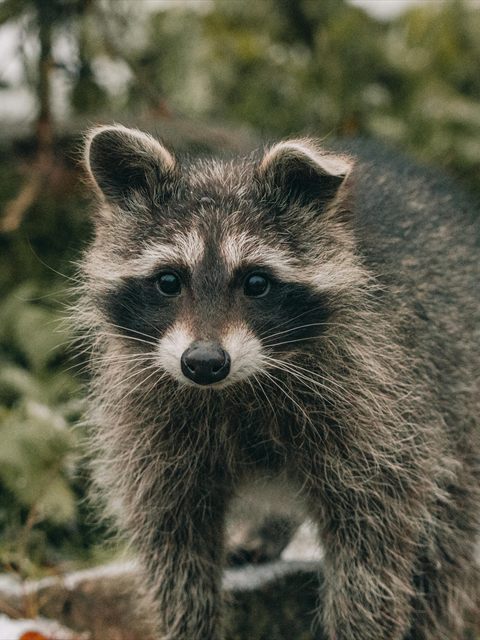
- Main threats include habitat destruction, pollution, and predation by raccoons and other animals. Additionally, they are often caught accidentally in crab traps.
- Predators
- Raccoons, birds of prey, and large fish.
- Defense Mechanisms
- Diamondback Terrapins can retract their heads and limbs into their shells for protection.
- Found in Zoos
- Common