


DICE SNAKE
Natrix tessellata
DESCRIPTION
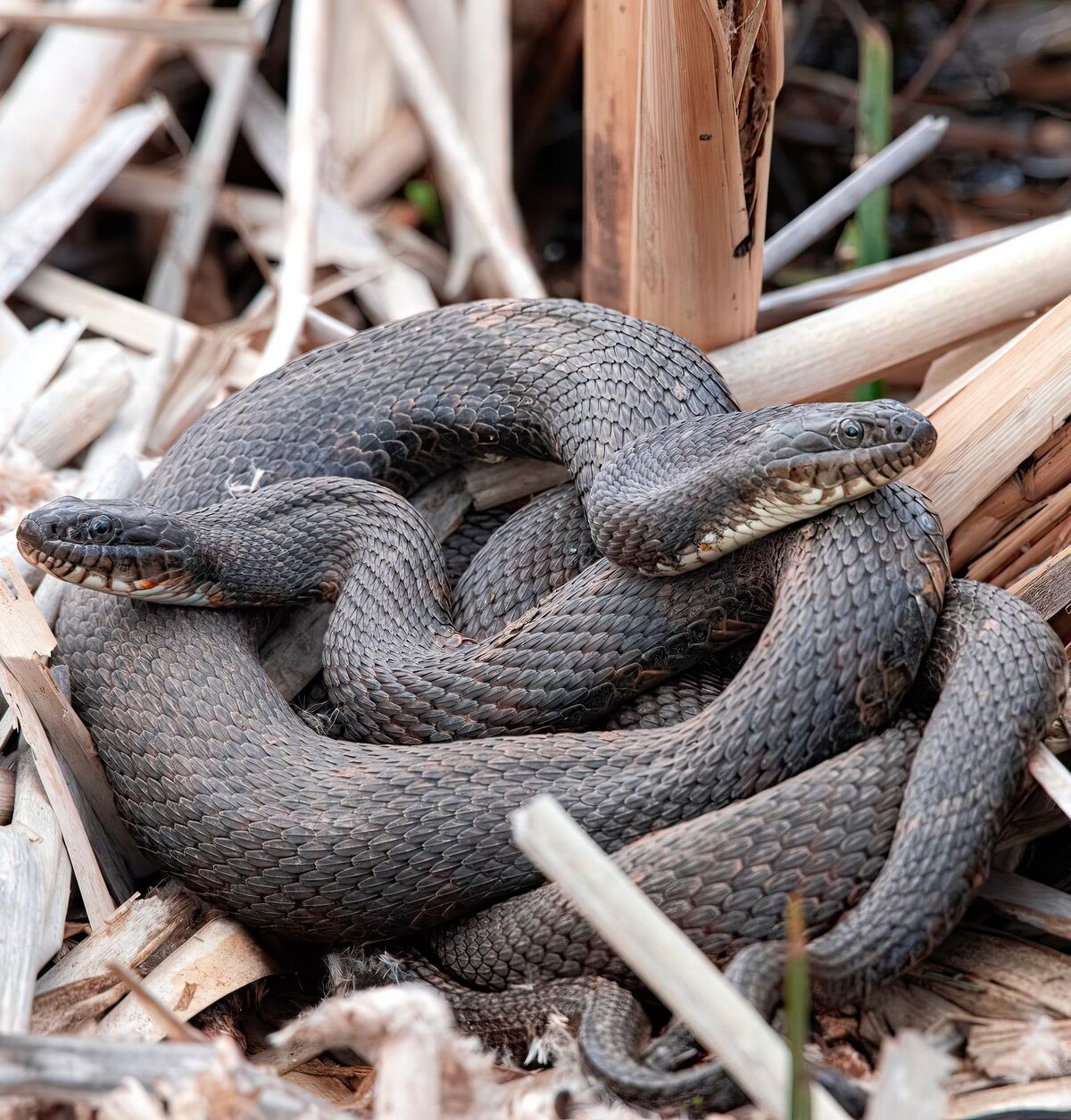
Dice Snake (Natrix tessellata) is commonly known as the Water Snake and is characterized by its distinctive pattern of dark and light scales, resembling dice. This non-venomous snake can often be found near water bodies, where it exhibits a semi-aquatic lifestyle, swimming gracefully and hunting for prey. Its behavior includes basking in the sun on rocks or vegetation and being quite agile in the water, making it an effective predator in its aquatic habitat.
FUN FACTS
- Dice Snakes are known for their unique ability to swim and dive underwater for extended periods, making them exceptional hunters in aquatic environments
- They can hold their breath for several minutes while pursuing prey
- | In some cultures, Dice Snakes are considered symbols of good luck and are often featured in local folklore, highlighting their significance beyond just their ecological role
QUICK INFO
Lifespan10-15 years in the wild, up to 20 in captivity
Average Weight0.5-1 kg
Average Length1-1.5 m
Diet TypePiscivore
Social Structuresolitary
Activity PatternDiurnal
Breeding SeasonSpring (April-June)
- Habitat
- Dice Snakes inhabit freshwater environments such as rivers, lakes, and marshes. They prefer areas with abundant vegetation and cover to aid in hunting and protection from predators.
- Biomes
- Freshwater, Wetlands
- Native Range
- The native range of the Dice Snake includes parts of Europe and Asia, particularly in countries surrounding the Mediterranean Sea.
- Continent
- Europe, Asia
- Countries
- Italy, Greece, Turkey, Ukraine, Romania, Bulgaria
- Diet
- Dice Snakes primarily feed on fish and amphibians, utilizing their swimming abilities to catch prey. They are known to hunt by ambushing their targets in the water.
- Diet Type
- Piscivore
- Favorite Food
- fish, amphibians
- Social Structure
- solitary
- Activity Pattern
- Diurnal
- Group Size
- 1-5
- Territorial
- 0
 VU
VU
0.5-1 kg
Weight
1-1.5 m
Length
- Coloration
- The coloration of the Dice Snake typically features a pattern of dark brown or gray scales with lighter spots, giving it a distinctive appearance.
- Sexual Dimorphism
- Males are generally smaller than females and may have slightly different coloration.
- Lifespan
- 10-15 years in the wild, up to 20 in captivity
- Offspring per Birth
- 10-30
- Sexual Maturity
- 2-3 years
- Breeding Season
- Spring (April-June)
LC
Least Concern
IUCN Red List Status
- Population Status
- The population of Dice Snakes is currently stable in many areas, although local declines may occur due to habitat loss.
- Wild Population Estimate
- Unknown
- Population Trend
- Stable
- Endangered
- 0
- Threats
- Main threats to Dice Snakes include habitat destruction due to urbanization and pollution of water bodies. Additionally, they may be affected by climate change and the introduction of invasive species.
- Predators
- Birds of prey, larger snakes, and mammals such as otters may prey on Dice Snakes.
- Defense Mechanisms
- When threatened, Dice Snakes may play dead or release a foul-smelling musk to deter predators.
- Found in Zoos
- Uncommon