



DIK DIK
Madoqua kirkii
DESCRIPTION
The Dik Dik (Madoqua kirkii) is a small antelope known for its distinctive size and features. It typically stands about 30-40 cm at the shoulder and has a slender body with long legs, a pointed snout, and large eyes. These animals are known for their shy and elusive behavior, often relying on their excellent camouflage to avoid predators in their natural habitat.
FUN FACTS
- Dik Diks are known for their unique courtship behavior, where males perform a series of displays to attract females, including vocalizations and scent marking
- They are also capable of jumping up to 3 meters in the air to evade predators, showcasing their agility and speed.|These small antelopes have a unique adaptation where they can go without water for extended periods, obtaining moisture from the vegetation they consume
- This ability allows them to thrive in arid environments where water sources are scarce
QUICK INFO
Lifespan10-12 years in the wild, up to 15 years in captivi
Average Weight4-7 kg
Average Length70-90 cm
Diet TypeHerbivore
Social Structuresolitary or in pairs, with males often defending territories
Activity PatternDiurnal
Breeding SeasonYear-round, with peaks depending on local conditions
- Habitat
- Dik Diks inhabit dry, bushy areas and savannas, often favoring regions with dense vegetation for cover. They are well-adapted to arid environments and can be found in areas with scattered shrubs and grasses.
- Biomes
- Savanna, Grassland
- Native Range
- Dik Diks are native to eastern and southern Africa, particularly in regions such as Kenya, Tanzania, and parts of southern Africa.
- Continent
- Africa
- Countries
- Kenya, Tanzania, Botswana, Namibia, South Africa
- Diet
- Dik Diks are herbivores that primarily feed on leaves, fruits, and shoots. They are known to browse on a variety of vegetation, adapting their diet based on seasonal availability.
- Diet Type
- Herbivore
- Favorite Food
- leaves, fruits, shoots
- Social Structure
- solitary or in pairs, with males often defending territories
- Activity Pattern
- Diurnal
- Group Size
- 1-2
- Territorial
- 1
 LC
LC
 VU
VU
 LC
LC
4-7 kg
Weight
70-90 cm
Length
30-40 cm at shoulder
Height (Shoulder)
- Coloration
- Dik Diks have a reddish-brown coat with lighter underparts and distinctive white markings on their face and throat.
- Sexual Dimorphism
- Males have long, curved horns, while females do not.
- Lifespan
- 10-12 years in the wild, up to 15 years in captivi
- Gestation Period
- 7 months
- Offspring per Birth
- 1
- Sexual Maturity
- 6-12 months
- Breeding Season
- Year-round, with peaks depending on local conditions
LC
Least Concern
IUCN Red List Status
- Population Status
- The population of Dik Diks is generally stable, but they can be affected by habitat loss.
- Wild Population Estimate
- Unknown, but considered common in suitable habitats
- Population Trend
- Stable
- Endangered
- 0
- Threats
- Main threats include habitat destruction due to agriculture and urbanization. They are also vulnerable to predation by larger carnivores.
- Predators
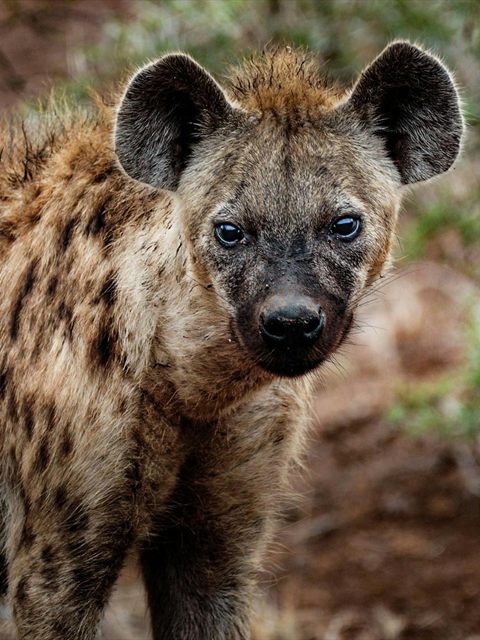
- Lions, leopards, hyenas, and various birds of prey.
- Defense Mechanisms
- Dik Diks rely on their speed and agility to escape predators, often using dense vegetation for cover.
- Compatible Animals
- None
- Found in Zoos
- Uncommon