


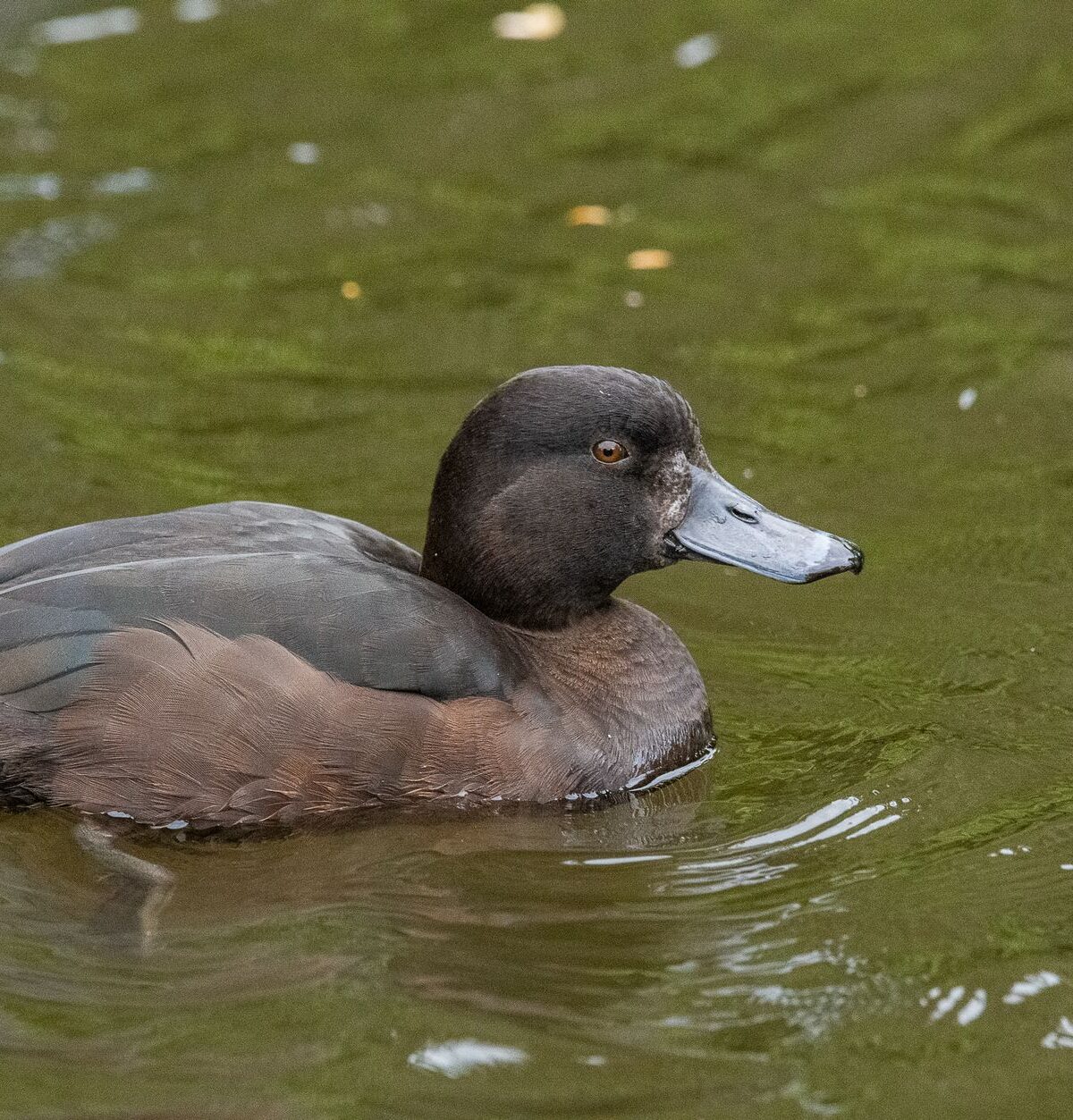
DIVING DUCKS
Aythyinae
DESCRIPTION
Diving Ducks (Aythyinae) is a subfamily of ducks known for their distinctive diving behavior. They are medium to large-sized waterfowl with a robust body, broad head, and a relatively short neck. These ducks are often found in freshwater and coastal habitats, where they dive underwater to forage for food, showcasing their remarkable swimming abilities.
FUN FACTS
- Diving Ducks are remarkable divers, capable of reaching depths of up to 15 meters in search of food
- Their unique adaptations, such as webbed feet and streamlined bodies, make them efficient swimmers
- | Some species of Diving Ducks, like the Canvasback, are highly sought after by waterfowl hunters due to their delicious meat
- They are also known for their impressive migratory patterns, traveling thousands of miles between breeding and wintering grounds
QUICK INFO
Lifespan5-10 years in the wild, up to 15 in captivity
Average Weight0.5-1.5 kg
Average Length40-60 cm
Diet TypeOmnivore
Social Structuregroup — they often gather in flocks, especially during migration and feeding.
Activity PatternDiurnal
Breeding SeasonSpring (April-June)
- Habitat
- Diving Ducks inhabit a variety of wetland environments, including lakes, rivers, and marshes. They prefer areas with abundant vegetation and open water for foraging.
- Biomes
- Freshwater, Wetlands, Coastal
- Native Range
- Diving Ducks are found across North America, Europe, and parts of Asia, migrating seasonally between breeding and wintering grounds.
- Continent
- North America, Europe, Asia
- Countries
- United States, Canada, United Kingdom, Russia
- Diet
- Diving Ducks primarily feed on aquatic plants, seeds, and invertebrates. They are adept at foraging underwater, using their bills to sift through sediment and vegetation.
- Diet Type
- Omnivore
- Favorite Food
- aquatic plants, seeds, invertebrates
- Social Structure
- group — they often gather in flocks, especially during migration and feeding.
- Activity Pattern
- Diurnal
- Group Size
- 10-100
- Territorial
- 0

 LC
LC
 VU
VU
 LC
LC
0.5-1.5 kg
Weight
40-60 cm
Length
- Coloration
- Diving Ducks exhibit a range of colors, often with striking patterns; males typically have brighter plumage than females.
- Sexual Dimorphism
- males are generally more colorful and larger than females
- Lifespan
- 5-10 years in the wild, up to 15 in captivity
- Offspring per Birth
- 6-12
- Sexual Maturity
- 1-2 years
- Breeding Season
- Spring (April-June)
LC
Least Concern
IUCN Red List Status
- Population Status
- Many species of Diving Ducks have stable populations, though some may face localized declines.
- Wild Population Estimate
- 1,000,000+
- Population Trend
- Stable
- Endangered
- 0
- Threats
- Habitat loss due to wetland drainage and pollution poses significant threats to Diving Ducks. Additionally, hunting and climate change can impact their populations.
- Predators
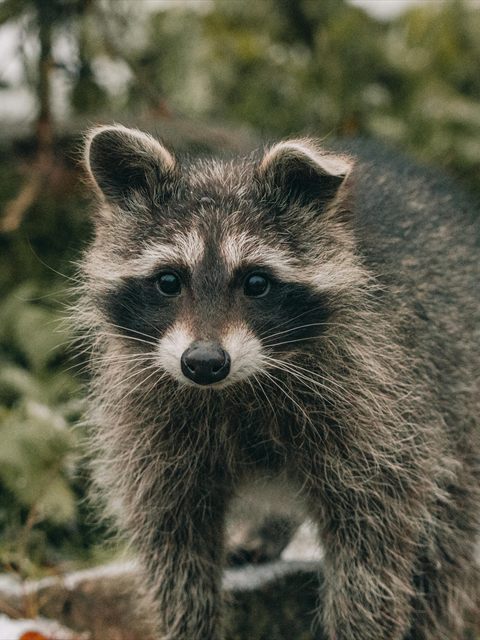
- foxes, raccoons, birds of prey, and large fish
- Defense Mechanisms
- Diving Ducks evade predators by diving underwater, where they can remain hidden for extended periods.
- Found in Zoos
- Uncommon