


DOMESTIC CHICKEN
Gallus gallus domesticus
DESCRIPTION
The domestic chicken, Gallus gallus domesticus, is a subspecies of the red junglefowl and is characterized by its plump body, short neck, and a distinctive comb on its head. They come in a variety of colors and feather patterns, with some breeds exhibiting striking plumage. Chickens are social animals that exhibit a range of vocalizations and behaviors, including foraging, dust bathing, and establishing a pecking order within their flocks.
FUN FACTS
- Chickens have a remarkable ability to recognize over 100 different faces, both human and animal, which helps them navigate their social environment
- | Chickens can also experience a range of emotions, including fear, excitement, and even joy, and they have been shown to form strong bonds with their flock mates
QUICK INFO
Lifespan5-10 years in captivity
Average Weight1.5-4 kg
Average Length0.75-1 m
Diet TypeOmnivore
Social Structuregroup — chickens live in flocks and establish social hierarchies.
Activity PatternDiurnal
Breeding SeasonSpring (March-May)
- Habitat
- Domestic chickens are typically found in human-made environments such as farms, backyards, and coops. They require shelter for protection from predators and the elements, as well as space to roam and forage.
- Biomes
- Agricultural, Temperate Forest
- Native Range
- Originally from Southeast Asia, domestic chickens have been spread worldwide through domestication and trade.
- Continent
- Asia, Europe, North America, Africa, Australia
- Countries
- Worldwide
- Diet
- Chickens are omnivores, consuming a varied diet that includes grains, seeds, insects, and even small animals. They also enjoy fruits and vegetables, making their diet quite diverse.
- Diet Type
- Omnivore
- Favorite Food
- grains, seeds, insects
- Social Structure
- group — chickens live in flocks and establish social hierarchies.
- Activity Pattern
- Diurnal
- Group Size
- 5-50
- Territorial
- 0

 LC
CR
LC
CR
 LC
LC
1.5-4 kg
Weight
0.75-1 m
Length
- Coloration
- varies widely, including white, brown, black, and speckled patterns
- Sexual Dimorphism
- males typically have larger combs and wattles, and more vibrant plumage than females
- Lifespan
- 5-10 years in captivity
- Offspring per Birth
- 8-12
- Sexual Maturity
- 5-6 months
- Breeding Season
- Spring (March-May)
LC
Least Concern
IUCN Red List Status
- Population Status
- Chickens are one of the most populous domesticated animals globally, with billions raised for meat and eggs.
- Population Trend
- Increasing
- Endangered
- 0
- Threats
- While domestic chickens are not endangered, they face threats from habitat loss and disease. Intensive farming practices can also lead to welfare concerns.
- Predators
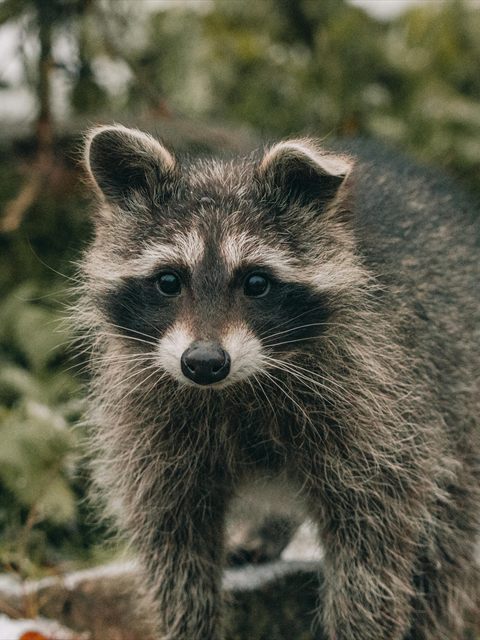
- foxes, raccoons, hawks, snakes, dogs, cats
- Defense Mechanisms
- Chickens rely on their flocking behavior for safety, using alarm calls to warn of predators and seeking shelter when threatened.
- Compatible Animals
- ducks, goats, rabbits
- Found in Zoos
- Uncommon