


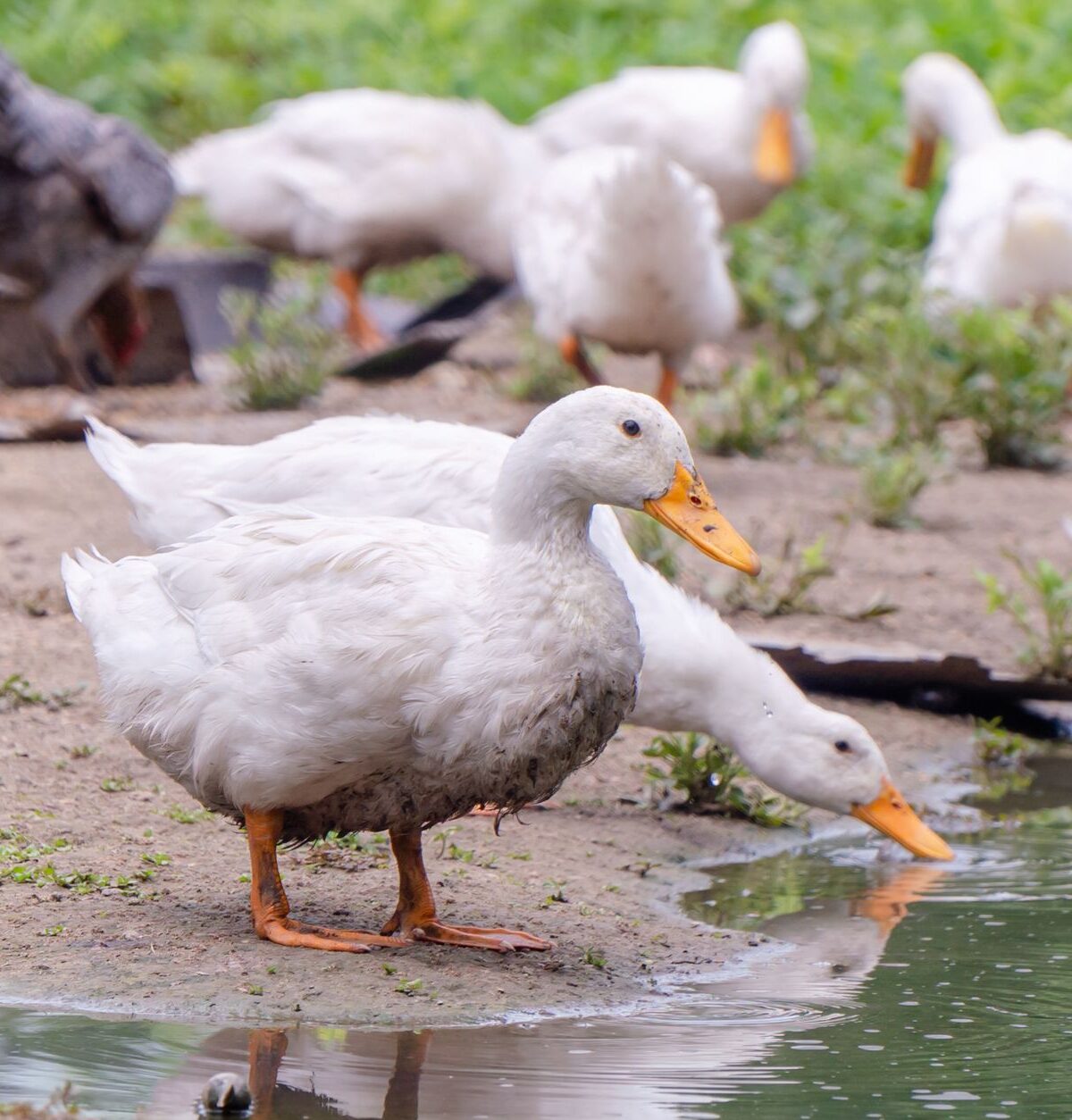
DOMESTIC DUCK
Anas platyrhynchos domesticus
DESCRIPTION
Domestic Duck, also known as Pekin Duck and Indian Runner Duck, is a domesticated subspecies of the mallard. They are typically characterized by their rounded bodies, broad heads, and a variety of plumage colors, including white, brown, and black. These ducks are social animals, often found in flocks, and are known for their quacking vocalizations and playful behavior in water.
FUN FACTS
- Domestic Ducks are known for their unique quacking sounds, which can vary significantly between breeds
- Some breeds, like the Indian Runner Duck, are particularly famous for their upright posture and energetic waddling, making them a favorite among duck enthusiasts.|In addition to being kept for their meat and eggs, Domestic Ducks are also popular as pets due to their friendly nature and entertaining behaviors
- They can form strong bonds with their human caretakers and are often seen following them around
QUICK INFO
Lifespan5-10 years in the wild, up to 15 years in captivit
Average Weight2-4 kg
Average Length50-70 cm
Diet TypeOmnivore
Social Structuregroup — they are typically found in flocks, which can range from small family units to larger groups.
Activity PatternDiurnal
Breeding SeasonSpring (March-May)
- Habitat
- Domestic Ducks are adaptable and can thrive in various environments, including farms, ponds, and wetlands. They prefer areas with access to water for swimming and foraging.
- Biomes
- Wetlands, Agricultural Land
- Native Range
- Originally domesticated from the wild mallard, their native range is now global due to domestication.
- Continent
- Asia, Europe, North America
- Countries
- China, United States, India, France
- Diet
- Domestic Ducks are omnivorous, feeding on a variety of plant materials, insects, and small aquatic animals. They often forage in water and on land, using their bills to sift through mud and vegetation.
- Diet Type
- Omnivore
- Favorite Food
- grains, aquatic plants, insects
- Social Structure
- group — they are typically found in flocks, which can range from small family units to larger groups.
- Activity Pattern
- Diurnal
- Group Size
- 5-50
- Territorial
- 0

 LC
LC
 VU
LC
VU
LC
2-4 kg
Weight
50-70 cm
Length
- Coloration
- varies widely; common colors include white, brown, and black
- Sexual Dimorphism
- males often have brighter plumage than females, especially in certain breeds
- Lifespan
- 5-10 years in the wild, up to 15 years in captivit
- Offspring per Birth
- 5-15
- Sexual Maturity
- 5-6 months
- Breeding Season
- Spring (March-May)
LC
Least Concern
IUCN Red List Status
- Population Status
- Domestic Ducks are widespread and commonly found in agricultural settings, with a stable population due to their domestication.
- Population Trend
- Stable
- Endangered
- 0
- Threats
- While Domestic Ducks are not endangered, they can face threats from habitat loss and predation by domestic animals. Additionally, they may be affected by diseases that can spread in farming environments.
- Predators
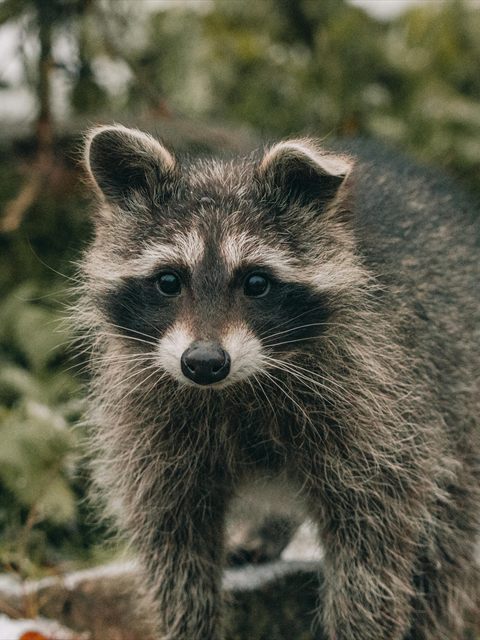
- foxes, raccoons, birds of prey, domestic dogs
- Defense Mechanisms
- Domestic Ducks rely on their social structure for safety, often staying in groups to deter predators. They can also use their vocalizations to alert others of danger.
- Compatible Animals
- chickens, geese, turkeys
- Found in Zoos
- Common