


DOMESTIC GOOSE
Anser anser domesticus
DESCRIPTION
The Domestic Goose (Anser anser domesticus) is a domesticated subspecies of the Greylag Goose, characterized by its large size and distinctive appearance. They typically have a robust body, a long neck, and a broad head, with variations in plumage color ranging from white to gray and brown. Domestic Geese are known for their social behavior, often forming strong bonds with their mates and displaying a range of vocalizations.
FUN FACTS
- Domestic Geese are known for their strong homing instincts, often returning to their home location even after being relocated several miles away
- They also have a unique way of communicating, with different honks and sounds that convey various messages to their flock, such as alerting them to danger or calling for food
QUICK INFO
Lifespan10-15 years in captivity
Average Weight3-5 kg
Average Length75-90 cm
Diet TypeHerbivore
Social Structuregroup — they often live in flocks and form strong social bonds.
Activity PatternDiurnal
Breeding SeasonSpring (March-May)
- Habitat
- Domestic Geese are commonly found in agricultural areas, wetlands, and near water bodies where they can graze on vegetation. They thrive in environments that provide ample foraging opportunities and access to water for swimming.
- Biomes
- Wetlands, Grassland, Agricultural Land
- Native Range
- Originally domesticated from the wild Greylag Goose, they are now found worldwide due to domestication.
- Continent
- Europe, Asia, North America
- Countries
- United States, Canada, United Kingdom, Germany, China
- Diet
- Domestic Geese are primarily herbivorous, feeding on grasses, grains, and aquatic plants. They may also consume small insects and invertebrates occasionally.
- Diet Type
- Herbivore
- Favorite Food
- grass, grains
- Social Structure
- group — they often live in flocks and form strong social bonds.
- Activity Pattern
- Diurnal
- Group Size
- 5-50
- Territorial
- 0

 LC
LC
 VU
VU
3-5 kg
Weight
75-90 cm
Length
- Coloration
- varies from white to gray and brown, often with a lighter underbelly
- Sexual Dimorphism
- males are generally larger than females
- Lifespan
- 10-15 years in captivity
- Offspring per Birth
- 3-8
- Sexual Maturity
- 1-2 years
- Breeding Season
- Spring (March-May)
LC
Least Concern
IUCN Red List Status
- Population Status
- Domestic Geese are widely bred and kept, with a stable population in domesticated settings.
- Population Trend
- Stable
- Endangered
- 0
- Threats
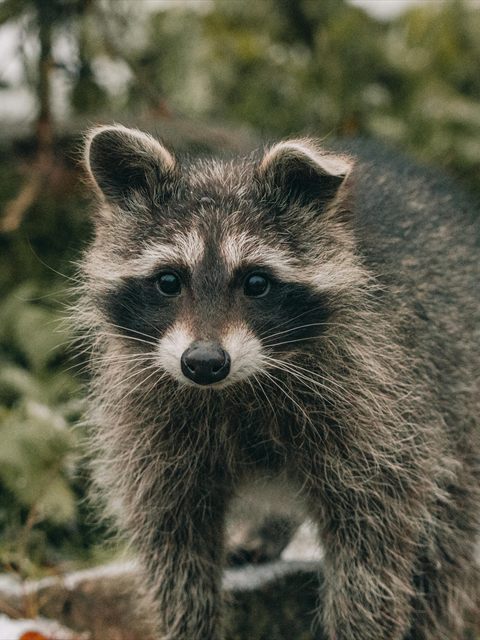
- The main threats to Domestic Geese include habitat loss and predation by animals such as foxes and raccoons. Additionally, they can be susceptible to diseases in overcrowded conditions.
- Predators
- foxes, raccoons, birds of prey
- Defense Mechanisms
- Domestic Geese can be aggressive when threatened, using their strong beaks and loud honking to deter predators.
- Compatible Animals
- ducks, chickens, turkeys
- Found in Zoos
- Uncommon