


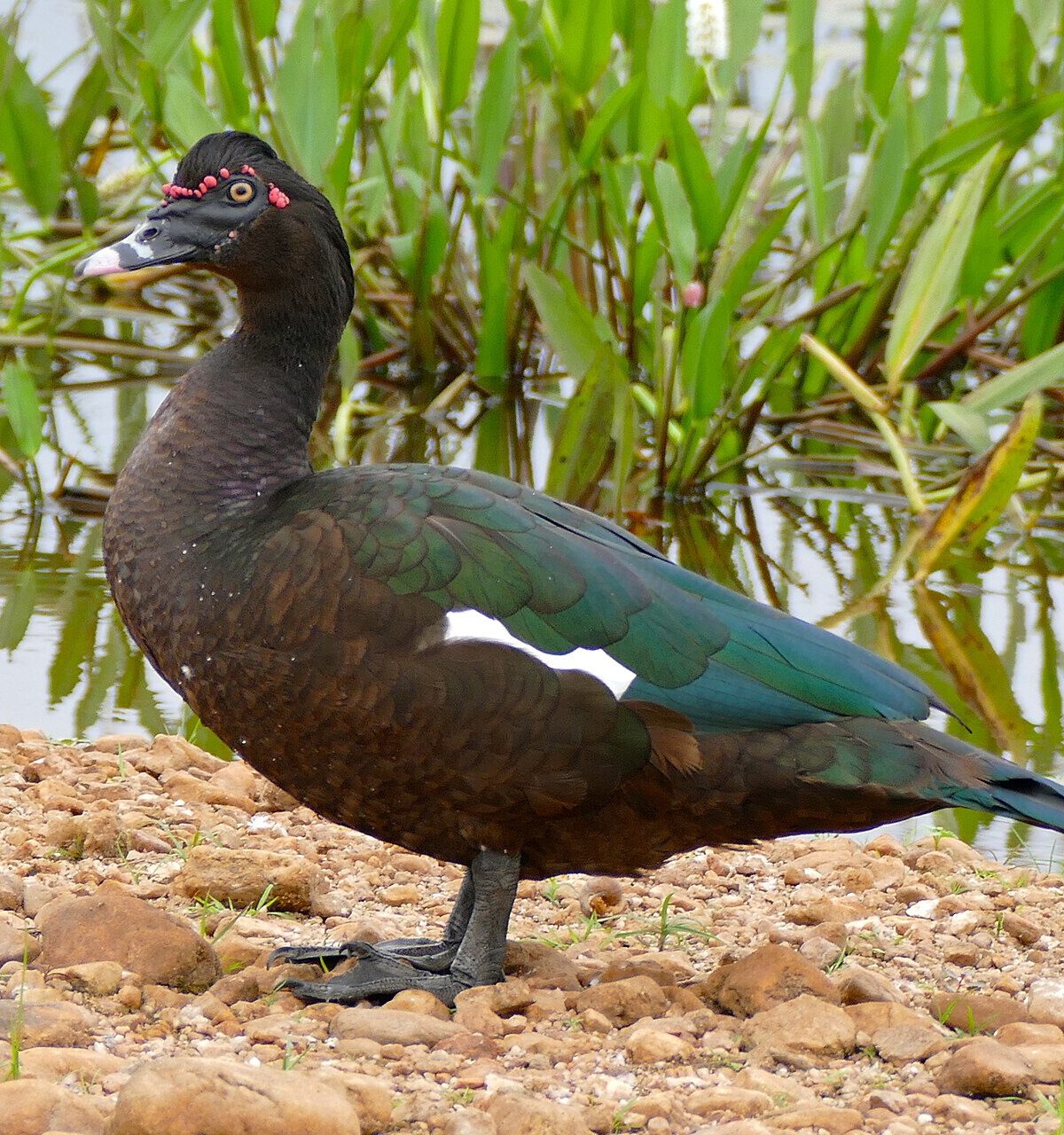
DOMESTIC MUSCOVY DUCK
Cairina moschata
DESCRIPTION
The Domestic Muscovy Duck (Cairina moschata) is a large duck characterized by its distinctive red facial caruncles and a robust body. They exhibit a variety of plumage colors, including black, white, and brown, often with iridescent feathers. Known for their calm demeanor, these ducks are social birds that can often be found foraging in groups, displaying a range of vocalizations and behaviors.
FUN FACTS
- Muscovy ducks are unique among domestic ducks as they are not derived from the mallard lineage, making them a distinct species
- They are also known for their ability to fly short distances, which is uncommon in many domestic duck breeds.| These ducks have a unique social structure and can form strong bonds with their caretakers, often recognizing individual humans and responding to their presence with affection
QUICK INFO
Lifespan8-12 years in the wild, up to 20 years in captivit
Average Weight3-4 kg
Average Length60-75 cm
Diet TypeOmnivore
Social StructureThey are often found in pairs or small groups, displaying a social structure that allows for cooperative foraging.
Activity PatternDiurnal
Breeding SeasonSpring (March-May)
- Habitat
- Domestic Muscovy Ducks thrive in a variety of habitats, including wetlands, ponds, and agricultural areas. They prefer environments where they can access water for foraging and swimming.
- Biomes
- Wetlands, Agricultural Land
- Native Range
- Originally native to Central and South America, they have been domesticated and are now found worldwide.
- Continent
- North America, South America, Europe, Asia, Africa
- Countries
- Mexico, United States, Brazil, Argentina, France, China
- Diet
- Muscovy ducks are omnivorous, feeding on a variety of plant materials, insects, and small aquatic animals. They are known to forage for food in both terrestrial and aquatic environments.
- Diet Type
- Omnivore
- Favorite Food
- grains, insects, aquatic plants
- Social Structure
- They are often found in pairs or small groups, displaying a social structure that allows for cooperative foraging.
- Activity Pattern
- Diurnal
- Group Size
- 5-15
- Territorial
- 0

 LC
LC
 VU
LC
VU
LC
3-4 kg
Weight
60-75 cm
Length
- Coloration
- They exhibit a range of colors, including black, white, and brown, often with iridescent feathers.
- Sexual Dimorphism
- Males are generally larger and have more pronounced caruncles than females.
- Lifespan
- 8-12 years in the wild, up to 20 years in captivit
- Offspring per Birth
- 6-12
- Sexual Maturity
- 5-6 months
- Breeding Season
- Spring (March-May)
LC
Least Concern
IUCN Red List Status
- Population Status
- The population of Domestic Muscovy Ducks is stable due to their widespread domestication.
- Wild Population Estimate
- Unknown
- Population Trend
- Stable
- Endangered
- 0
- Threats
- Main threats include habitat loss and predation by domestic animals. In some areas, they may compete with native duck species.
- Predators
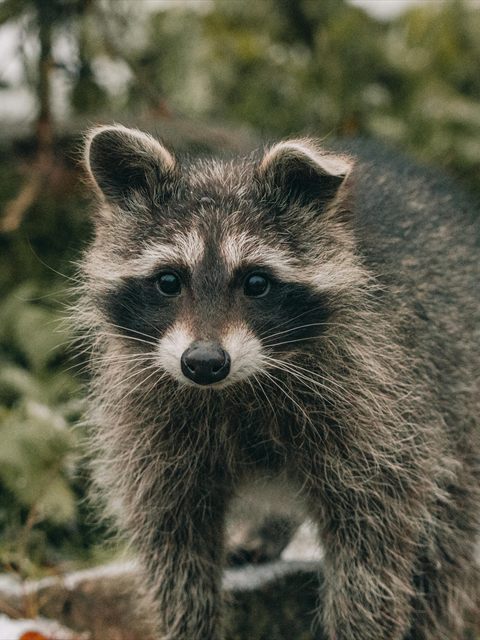
- Foxes, raccoons, birds of prey, domestic dogs
- Defense Mechanisms
- They can use their strong wings to escape predators and often seek refuge in water.
- Compatible Animals
- Chickens, geese, other domestic ducks
- Found in Zoos
- Common