


DOMESTIC PIGEON
Columba livia domestica
DESCRIPTION
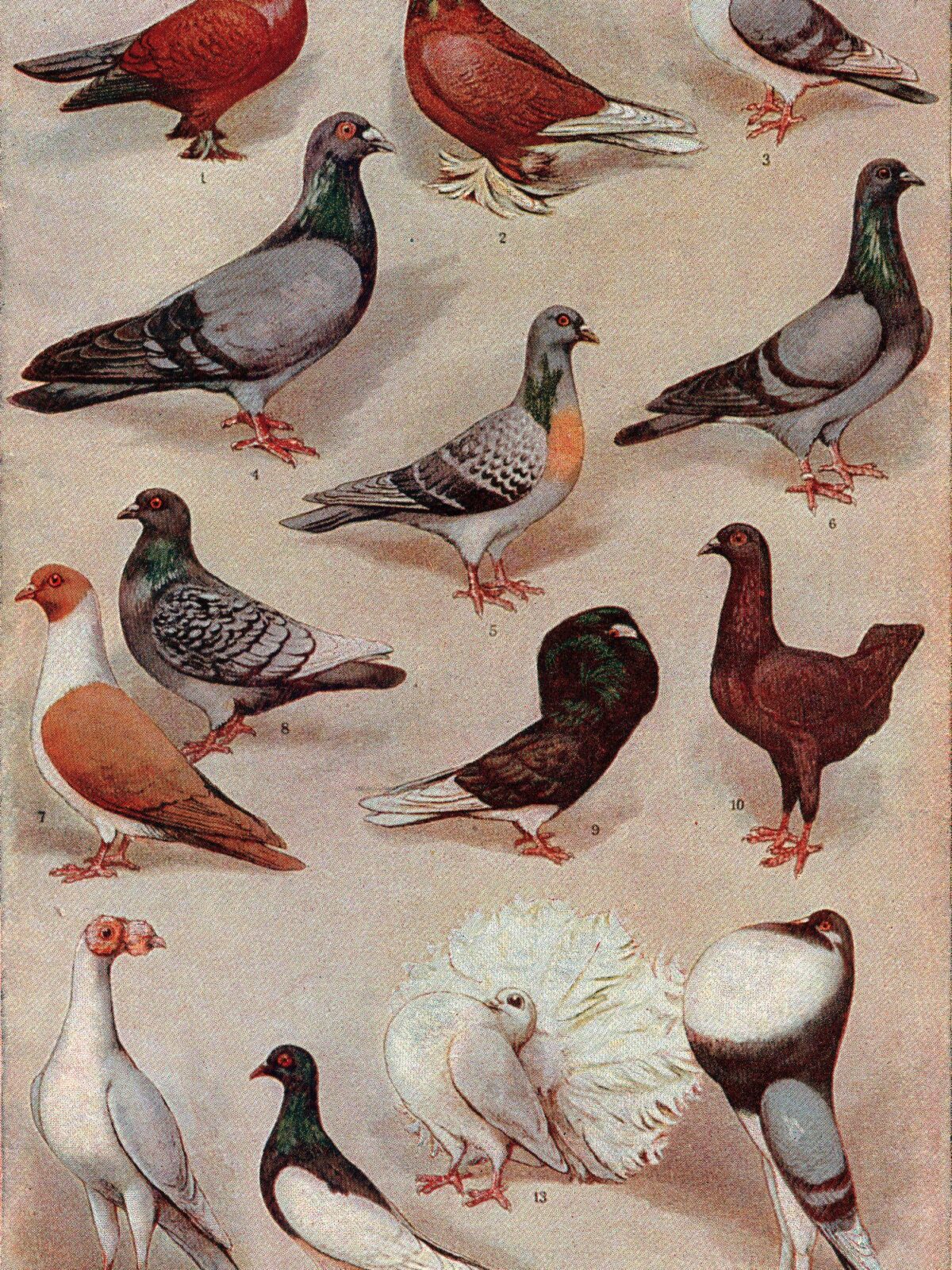
The Domestic Pigeon, or Columba livia domestica, is a subspecies of the rock pigeon and is characterized by its stout body, short neck, and small head. They exhibit a wide range of colors and patterns, including white, gray, and brown, often with iridescent feathers on their necks. These birds are highly social and are known for their homing ability, which has made them valuable for communication and sport throughout history.
FUN FACTS
- Domestic Pigeons have an incredible homing ability, allowing them to find their way back to their home lofts from hundreds of miles away
- This remarkable skill has been utilized in various historical contexts, including as messenger birds during wartime
- | Pigeons are also known for their intelligence; studies have shown that they can recognize themselves in mirrors and can even learn to differentiate between different human faces
- This cognitive ability makes them one of the most intelligent bird species
QUICK INFO
Lifespan3-5 years in the wild, up to 15 years in captivity
Average Weight0.2-0.4 kg
Average Length30-35 cm
Diet TypeOmnivore
Social StructureThey are typically found in pairs or groups, often forming strong pair bonds.
Activity PatternDiurnal
Breeding SeasonSpring to early summer
- Habitat
- Domestic Pigeons thrive in urban environments, often nesting on buildings and other structures. They can also be found in rural areas, where they inhabit cliffs and ledges.
- Biomes
- Urban, Grassland
- Native Range
- Originally native to Europe, North Africa, and South Asia, Domestic Pigeons have been introduced worldwide.
- Continent
- Asia, Europe, Africa, North America, South America, Australia
- Countries
- United States, Canada, United Kingdom, India, Australia
- Diet
- Domestic Pigeons primarily feed on seeds, grains, and fruits. They may also consume small invertebrates occasionally.
- Diet Type
- Omnivore
- Favorite Food
- seeds, grains
- Social Structure
- They are typically found in pairs or groups, often forming strong pair bonds.
- Activity Pattern
- Diurnal
- Group Size
- 5-50
- Territorial
- 0
 LC
LC
 CR
CR
0.2-0.4 kg
Weight
30-35 cm
Length
- Coloration
- Coloration varies widely, but many have a gray body with iridescent neck feathers.
- Sexual Dimorphism
- Males are generally larger and have a more pronounced neck than females.
- Lifespan
- 3-5 years in the wild, up to 15 years in captivity
- Offspring per Birth
- 1-2
- Sexual Maturity
- 5-6 months
- Breeding Season
- Spring to early summer
LC
Least Concern
IUCN Red List Status
- Population Status
- Domestic Pigeons are abundant and widespread, with a stable population.
- Population Trend
- Stable
- Endangered
- 0
- Threats
- While not endangered, Domestic Pigeons face threats from habitat loss and predation by birds of prey. They can also be affected by diseases.
- Predators
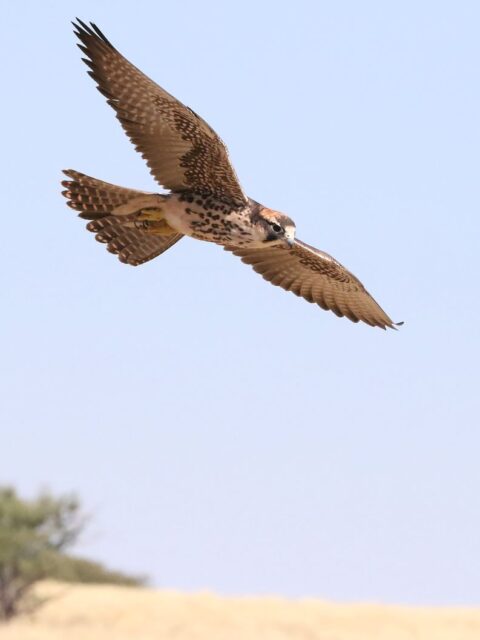
- Falcons, hawks, cats, and dogs.
- Defense Mechanisms
- They rely on their ability to fly quickly and evade predators, often taking to the air at the first sign of danger.
- Found in Zoos
- Common