


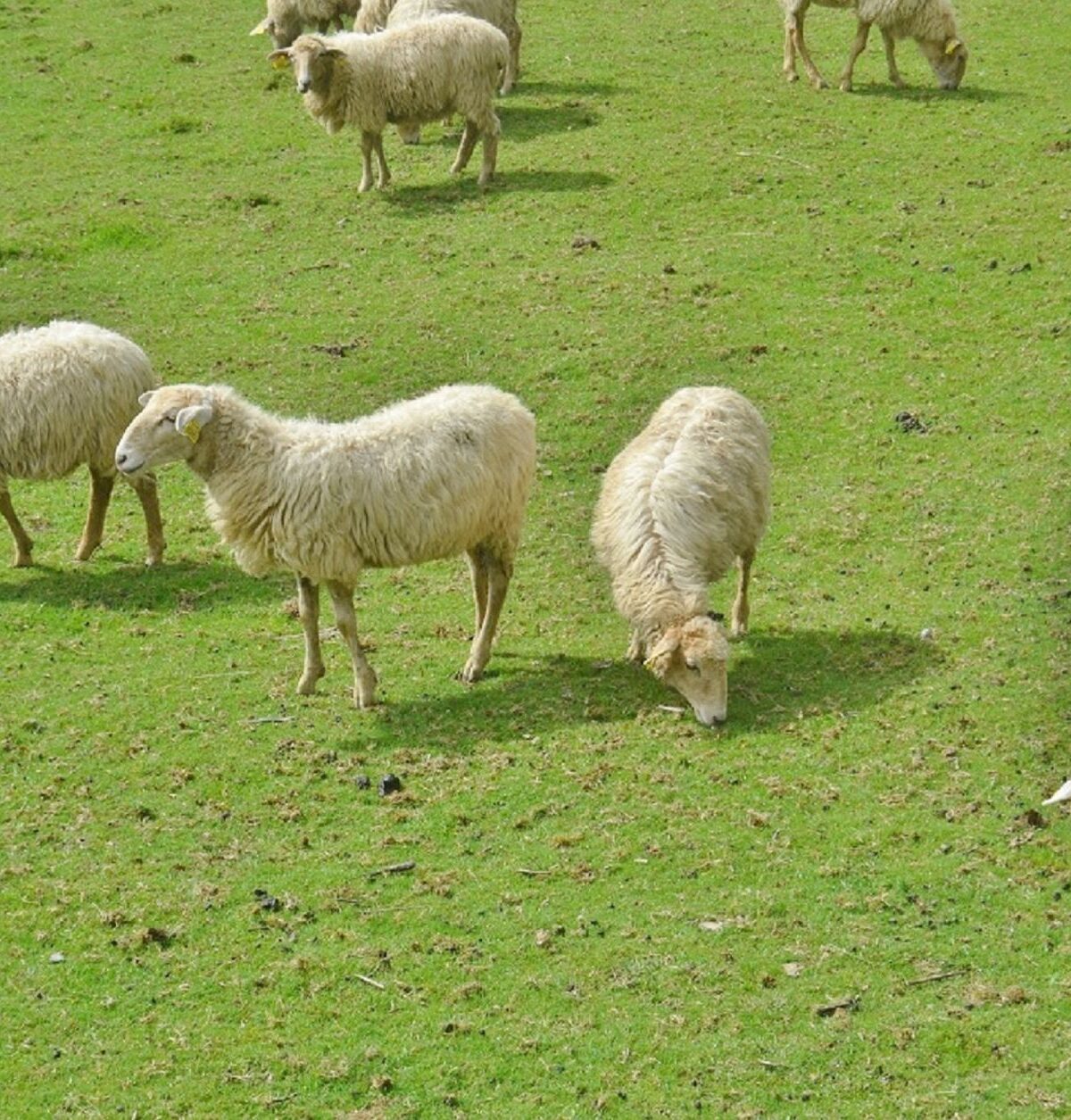
DOMESTIC SHEEP
DESCRIPTION
Domestic sheep, also known simply as sheep, are domesticated mammals that are primarily raised for their wool, meat, and milk. They have a thick, woolly coat that can vary in color from white to black, and they typically have curved horns, although some breeds are polled (hornless). Social animals by nature, domestic sheep exhibit flocking behavior, which helps them avoid predators and enhances their survival in the wild.
FUN FACTS
- Sheep have a remarkable memory and can recognize up to 50 individual faces, both human and sheep, for years
- | The wool of domestic sheep is not only used for clothing but also for various products like blankets and carpets, making them an important agricultural resource
QUICK INFO
Lifespan10-12 years in the wild, up to 20 years in captivi
Average Weight45-160 kg
Average Length1.2-1.8 m
Diet TypeHerbivore
Social Structuregroup — they live in flocks that can range from a few individuals to several hundred.
Activity PatternDiurnal
Breeding SeasonFall (September-November)
- Habitat
- Domestic sheep are adaptable and can thrive in a variety of habitats, including grasslands, hills, and mountainous regions. They are often found in pastures where they can graze freely.
- Biomes
- Grassland, Temperate Forest, Savanna
- Native Range
- Originally domesticated in the Middle East, domestic sheep are now found worldwide due to their adaptability to various climates and environments.
- Continent
- Asia, Europe, Africa, North America, Australia
- Countries
- United States, China, Australia, India, New Zealand
- Diet
- Domestic sheep are herbivores, primarily grazing on grass, clover, and other vegetation. They have a unique digestive system that allows them to efficiently process fibrous plant material.
- Diet Type
- Herbivore
- Favorite Food
- grass, clover
- Social Structure
- group — they live in flocks that can range from a few individuals to several hundred.
- Activity Pattern
- Diurnal
- Group Size
- 5-100
- Territorial
- 0
 LC
LC
LC
LC
 LC
LC
45-160 kg
Weight
1.2-1.8 m
Length
0.9-1.2 m at shoulder
Height (Shoulder)
- Coloration
- typically white or cream, but can also be black, brown, or spotted depending on the breed
- Sexual Dimorphism
- males are generally larger and have horns, while females are smaller and may be polled
- Lifespan
- 10-12 years in the wild, up to 20 years in captivi
- Gestation Period
- 150 days
- Offspring per Birth
- 1-3
- Sexual Maturity
- 5-12 months
- Breeding Season
- Fall (September-November)
LC
Least Concern
IUCN Red List Status
- Population Status
- Domestic sheep are one of the most numerous livestock species globally, with a population in the hundreds of millions.
- Population Trend
- Stable
- Endangered
- 0
- Threats
- Main threats include habitat loss, disease, and predation by wild animals. Additionally, intensive farming practices can lead to welfare concerns.
- Predators
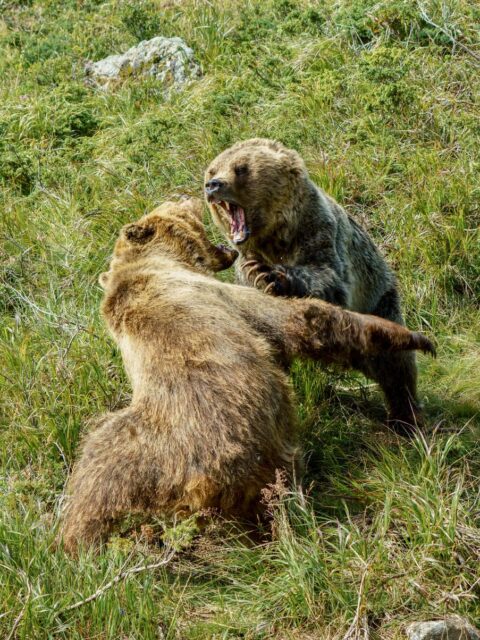
- wolves, coyotes, mountain lions, bears
- Defense Mechanisms
- Sheep rely on their flocking behavior for protection, as well as their ability to flee from danger. They may also use their horns to defend themselves if cornered.
- Compatible Animals
- goats, cattle, llamas
- Found in Zoos
- Common