


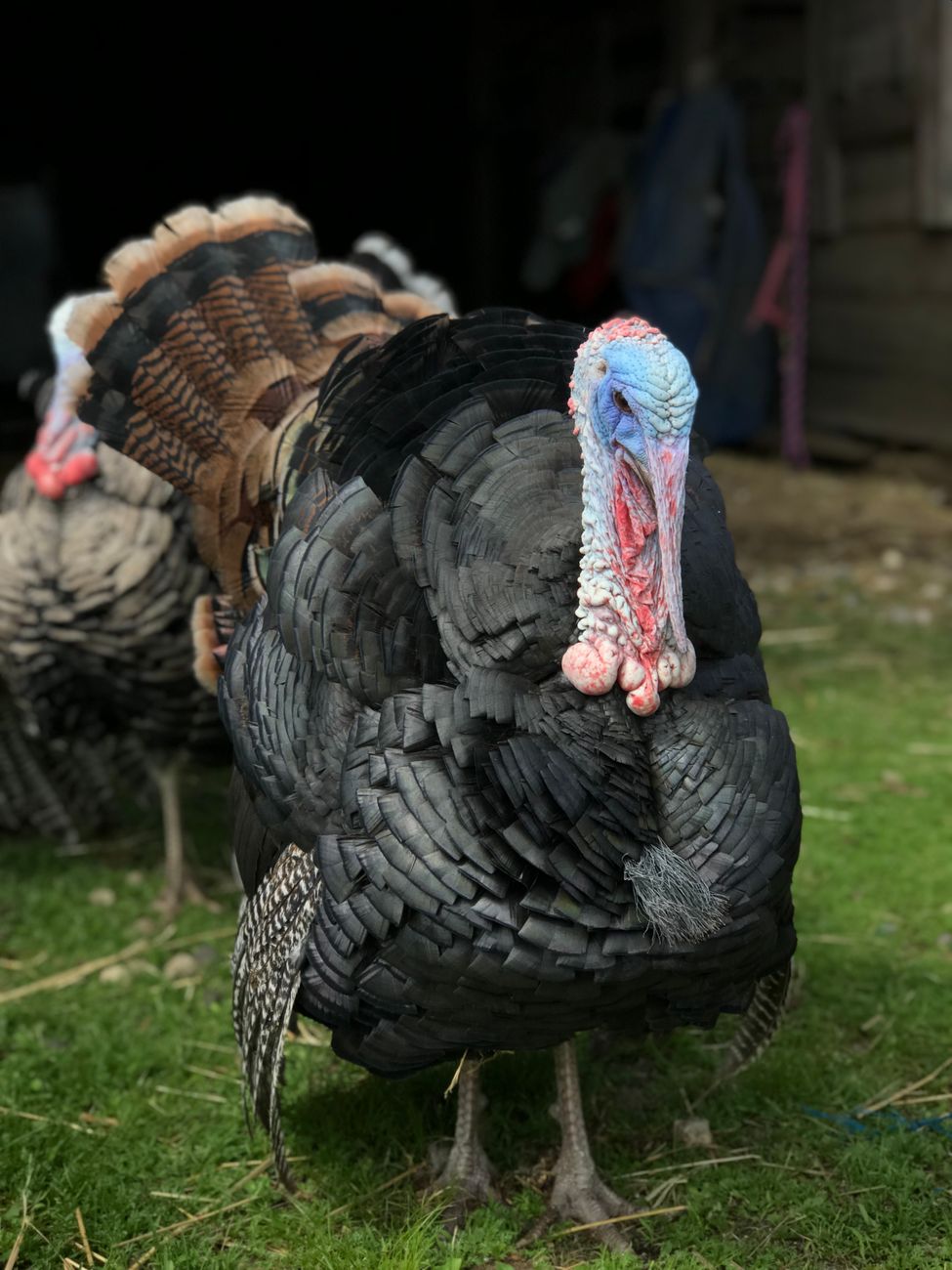
DOMESTIC TURKEY
Meleagris gallopavo domesticus
DESCRIPTION
Domestic Turkey (Meleagris gallopavo domesticus) is commonly known as the Broad Breasted White Turkey, Bourbon Red Turkey, and Narragansett Turkey. This domesticated subspecies of the wild turkey is characterized by its large size, with males often weighing significantly more than females. They exhibit a range of colors, including white, bronze, and black, and are known for their distinctive fleshy wattle and snood, which can change color based on their mood and health.
FUN FACTS
- Domestic Turkeys are known for their unique vocalizations, which include gobbles, clucks, and purrs
- These sounds serve various purposes, from attracting mates to signaling alarm
- | Interestingly, the Domestic Turkey is a descendant of the wild turkey, which was an important food source for Native Americans long before European settlers arrived
- The domestication process began in Mesoamerica, where they were bred for their meat and feathers
QUICK INFO
Lifespan5-10 years in captivity
Average Weight5-11 kg
Average Length0.9-1.2 m
Diet TypeOmnivore
Social Structuregroup — they are typically kept in flocks, which can range from small groups to larger aggregations.
Activity PatternDiurnal
Breeding SeasonSpring (March-May)
- Habitat
- Domestic Turkeys are typically found in farm environments, where they are raised for meat production. They require shelter and space to roam, often preferring open areas with access to grass and dirt for foraging.
- Biomes
- Agricultural, Temperate Forest
- Native Range
- Originally native to North America, Domestic Turkeys have been bred and distributed worldwide for agricultural purposes.
- Continent
- North America, Europe, Asia
- Countries
- United States, Canada, Mexico, various countries in Europe and Asia
- Diet
- Domestic Turkeys are omnivorous, feeding on a variety of foods including grains, seeds, fruits, and insects. They forage on the ground and are known to scratch the soil to uncover food.
- Diet Type
- Omnivore
- Favorite Food
- grains, seeds, insects
- Social Structure
- group — they are typically kept in flocks, which can range from small groups to larger aggregations.
- Activity Pattern
- Diurnal
- Group Size
- 5-50
- Territorial
- 0

 LC
LC
 VU
VU
5-11 kg
Weight
0.9-1.2 m
Length
- Coloration
- varies from white to bronze and black, often with iridescent feathers
- Sexual Dimorphism
- males are larger and more colorful than females, with distinctive wattles and snoods
- Lifespan
- 5-10 years in captivity
- Offspring per Birth
- 8-15 eggs
- Sexual Maturity
- 5-6 months
- Breeding Season
- Spring (March-May)
LC
Least Concern
IUCN Red List Status
- Population Status
- Domestic Turkey populations are stable due to their widespread farming and breeding.
- Population Trend
- Stable
- Endangered
- 0
- Threats
- Main threats include habitat loss and disease, particularly in intensive farming environments. Additionally, selective breeding has led to health issues in some domesticated strains.
- Predators
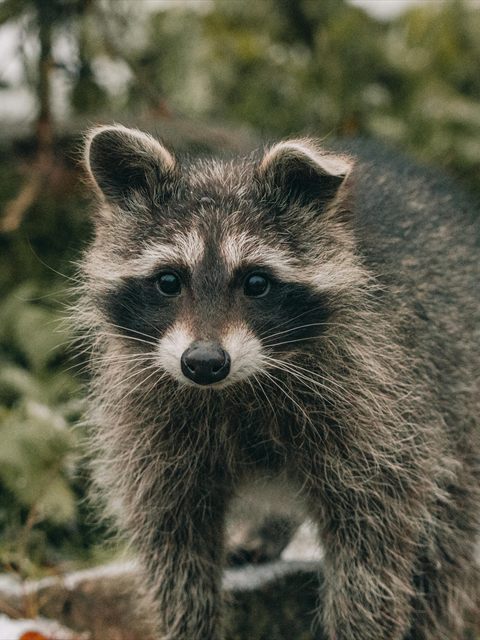
- foxes, raccoons, coyotes, birds of prey
- Defense Mechanisms
- Domestic Turkeys can use their size and vocalizations to deter predators, and they often rely on flocking behavior for safety.
- Compatible Animals
- ducks, chickens, goats
- Found in Zoos
- Uncommon