


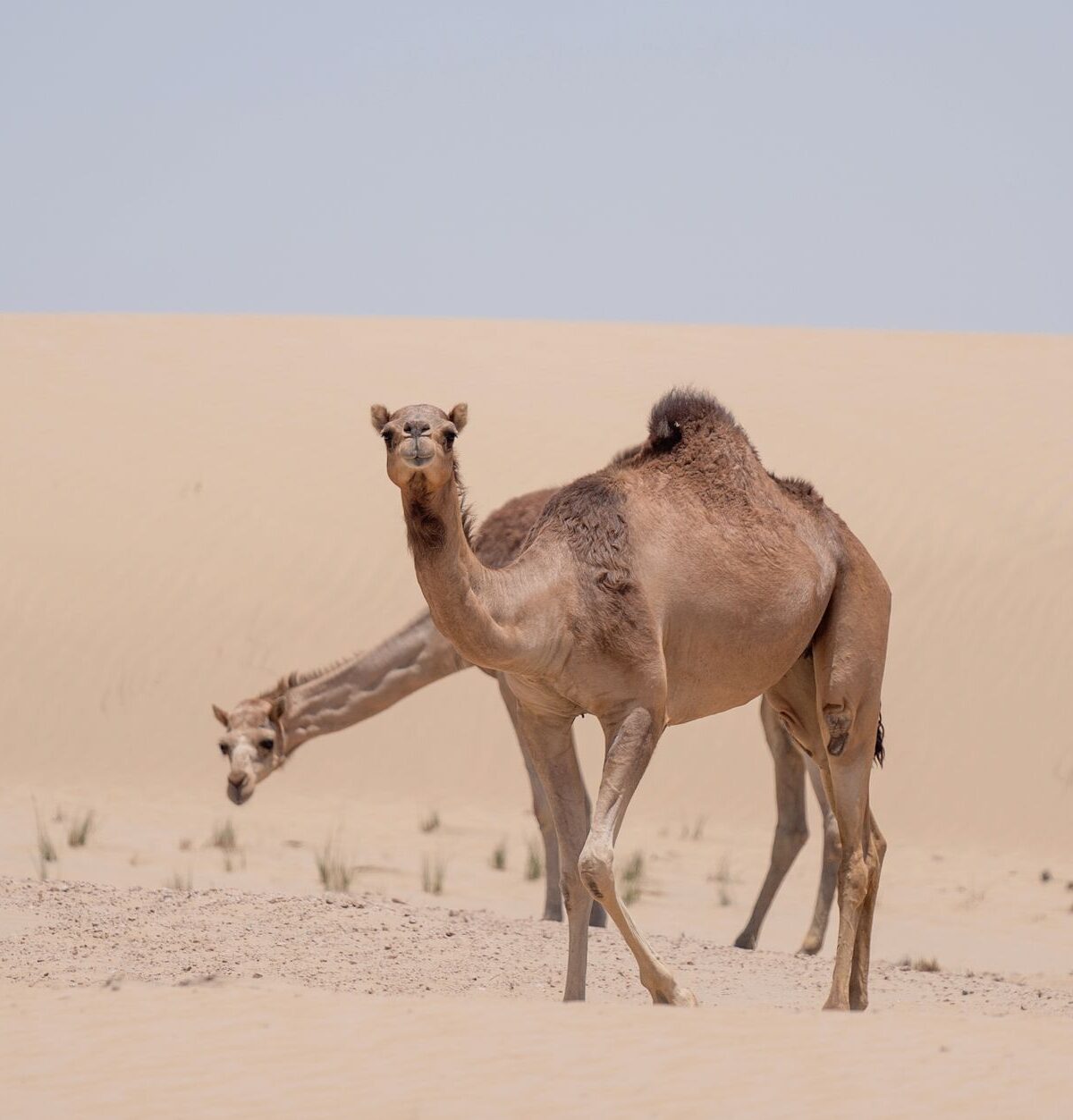
DROMEDARY
Camelus dromedarius
DESCRIPTION
Also called the Arabian Camel, the Dromedary is a large, even-toed ungulate known for its single hump, which stores fat that can be converted to water and energy when food is scarce. Dromedaries are well-adapted to desert environments, featuring long legs, a narrow body, and a unique ability to withstand high temperatures and dehydration. They are social animals that often travel in groups, displaying a range of behaviors from playful interactions to strong maternal bonds.
FUN FACTS
- Dromedaries can drink up to 40 gallons of water in one go, allowing them to survive in harsh desert conditions
- They can also tolerate body temperature fluctuations of up to 6 degrees Celsius, which helps them conserve water during extreme heat.|The Dromedary's hump is not filled with water, as commonly believed, but rather with fat, which serves as an energy reserve
- This adaptation allows them to go for long periods without food or water, making them ideal for desert survival
QUICK INFO
Lifespan40-50 years in captivity, 20-30 years in the wild
Average Weight400-600 kg
Average Length2.5-3.5 m
Diet TypeHerbivore
Social Structuregroup — they often travel in herds, which can provide protection and social interaction.
Activity PatternDiurnal
Breeding SeasonYear-round, with peaks depending on environmental conditions
- Habitat
- Dromedaries inhabit arid and semi-arid regions, particularly deserts where they can find sparse vegetation. They are highly mobile and can travel long distances in search of food and water.
- Biomes
- Desert, Grassland
- Native Range
- Dromedaries are native to the Middle East and North Africa, but they have been introduced to other regions as well.
- Continent
- Asia, Africa
- Countries
- Saudi Arabia, Egypt, Sudan, Somalia, United Arab Emirates
- Diet
- Dromedaries are herbivores, primarily grazing on grasses, leaves, and grains. They can also consume thorny plants that other animals avoid.
- Diet Type
- Herbivore
- Favorite Food
- grasses, leaves, grains
- Social Structure
- group — they often travel in herds, which can provide protection and social interaction.
- Activity Pattern
- Diurnal
- Group Size
- 5-30
- Territorial
- 0
 LC
LC
 LC
LC
 LC
LC
400-600 kg
Weight
2.5-3.5 m
Length
1.8 m at shoulder
Height (Shoulder)
- Coloration
- light brown to tan, with variations depending on the region
- Sexual Dimorphism
- males are generally larger than females
- Lifespan
- 40-50 years in captivity, 20-30 years in the wild
- Gestation Period
- 390 days
- Offspring per Birth
- 1
- Sexual Maturity
- 3-4 years
- Breeding Season
- Year-round, with peaks depending on environmental conditions
LC
Least Concern
IUCN Red List Status
- Population Status
- The population of Dromedaries is stable, with millions domesticated worldwide.
- Population Trend
- Stable
- Endangered
- 0
- Threats
- Dromedaries face threats from habitat loss and competition with livestock. Climate change also poses risks to their natural habitats.
- Predators
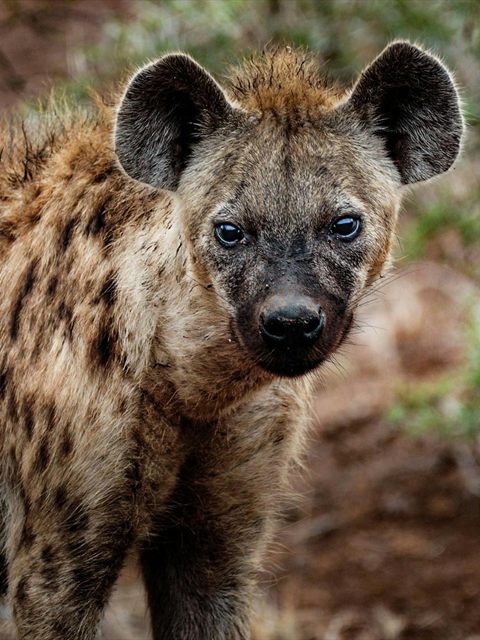
- wolves, lions, hyenas, and large birds of prey may pose threats to young or weak individuals.
- Defense Mechanisms
- Dromedaries can defend themselves by kicking or biting when threatened.
- Compatible Animals
- goats, sheep, donkeys
- Found in Zoos
- Common