


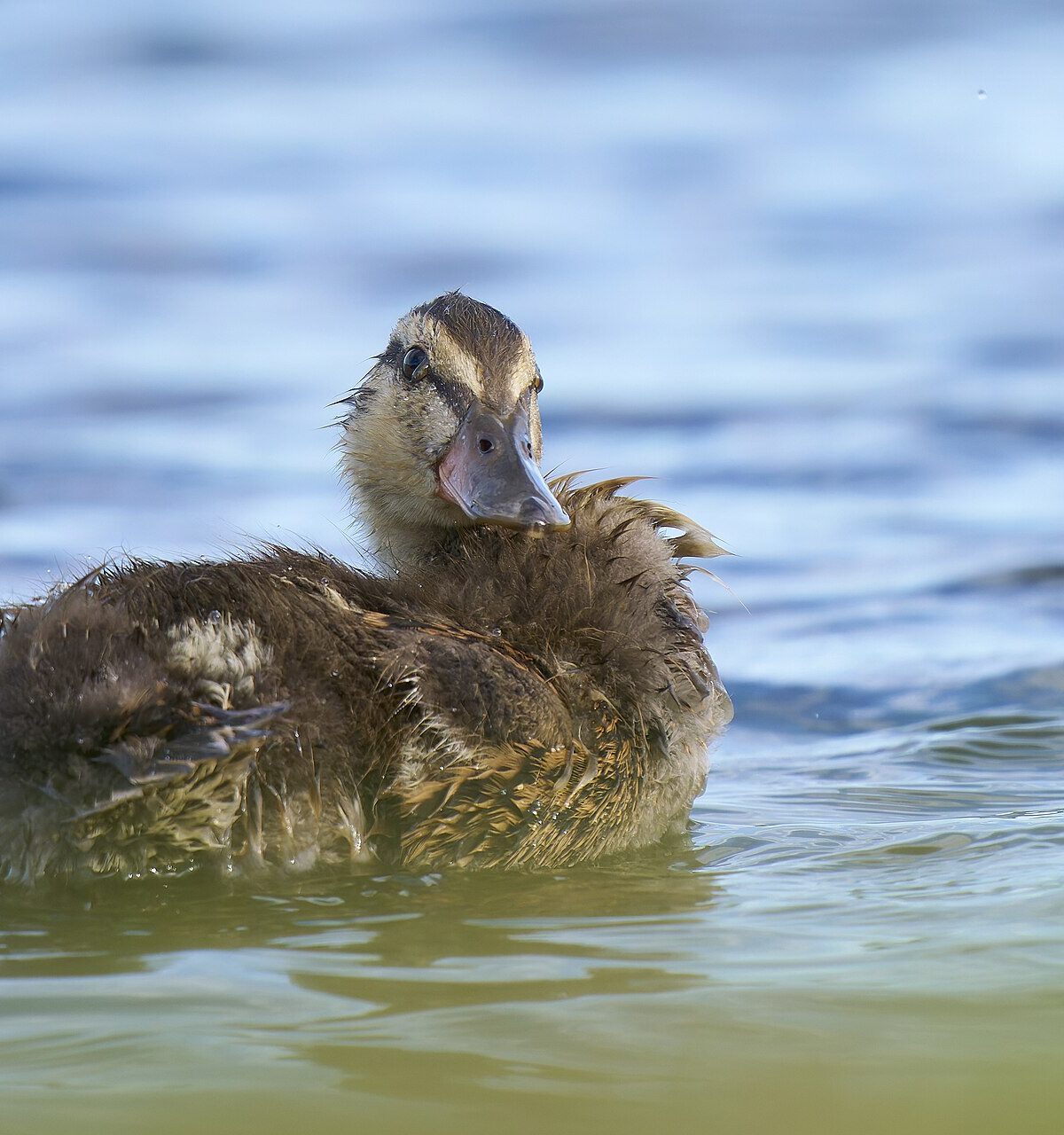
DUCKLING
DESCRIPTION
Duckling, also known as baby duck, is the juvenile stage of ducks, characterized by their soft, downy feathers that are typically yellow or brown. They are highly social animals, often seen swimming in groups and following their mother closely for protection and guidance. As they grow, ducklings develop their adult plumage and learn essential survival skills, including foraging and swimming techniques.
FUN FACTS
- Ducklings are known for their unique quacking sounds, which they use to communicate with their mother and siblings
- Interestingly, ducklings can imprint on their mother or even on humans shortly after hatching, which helps them recognize their caregiver and feel secure.| Ducklings have a remarkable ability to swim almost immediately after hatching, thanks to their waterproof down feathers
- This adaptation allows them to stay dry and warm while exploring their aquatic environment, showcasing their instinctual behaviors from a very young age
QUICK INFO
Lifespan5-10 years in the wild, up to 15 years in captivit
Average Weight50-200 grams
Average Length20-30 cm
Diet TypeOmnivore
Social Structuregroup — Ducklings are typically seen in groups, often with their mother leading them.
Activity PatternDiurnal
Breeding SeasonSpring (March-May)
- Habitat
- Ducklings are commonly found in freshwater habitats such as ponds, lakes, and marshes. They thrive in environments with abundant vegetation and shallow waters for foraging.
- Biomes
- Wetlands, Freshwater
- Native Range
- Ducklings are found worldwide, wherever their parent species of ducks are present.
- Continent
- North America, Europe, Asia, Africa, Australia
- Countries
- United States, Canada, United Kingdom, Australia, various countries in Europe and Asia
- Diet
- Ducklings primarily consume aquatic plants, insects, and small invertebrates. They forage by dabbling in the water and grazing on land.
- Diet Type
- Omnivore
- Favorite Food
- aquatic plants, insects
- Social Structure
- group — Ducklings are typically seen in groups, often with their mother leading them.
- Activity Pattern
- Diurnal
- Group Size
- 5-15
- Territorial
- 0

 LC
LC
 VU
VU
 LC
LC
 LC
LC
50-200 grams
Weight
20-30 cm
Length
- Coloration
- soft yellow or brown down feathers
- Lifespan
- 5-10 years in the wild, up to 15 years in captivit
- Offspring per Birth
- 5-12
- Sexual Maturity
- 6-12 months
- Breeding Season
- Spring (March-May)
LC
Least Concern
IUCN Red List Status
- Population Status
- Duckling populations are generally stable, but they can be affected by environmental changes.
- Wild Population Estimate
- unknown
- Population Trend
- Stable
- Endangered
- 0
- Threats
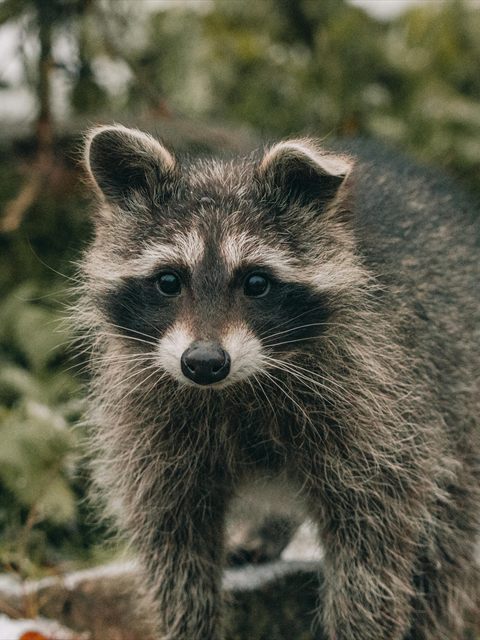
- Ducklings face threats from habitat loss, pollution, and predation by animals such as foxes, raccoons, and birds of prey. Human activities, such as urban development and agriculture, can also impact their populations.
- Predators
- foxes, raccoons, birds of prey, snakes, large fish
- Defense Mechanisms
- Ducklings rely on their mother for protection and often use camouflage to avoid detection by predators.
- Compatible Animals
- other waterfowl, small mammals
- Found in Zoos
- Common