


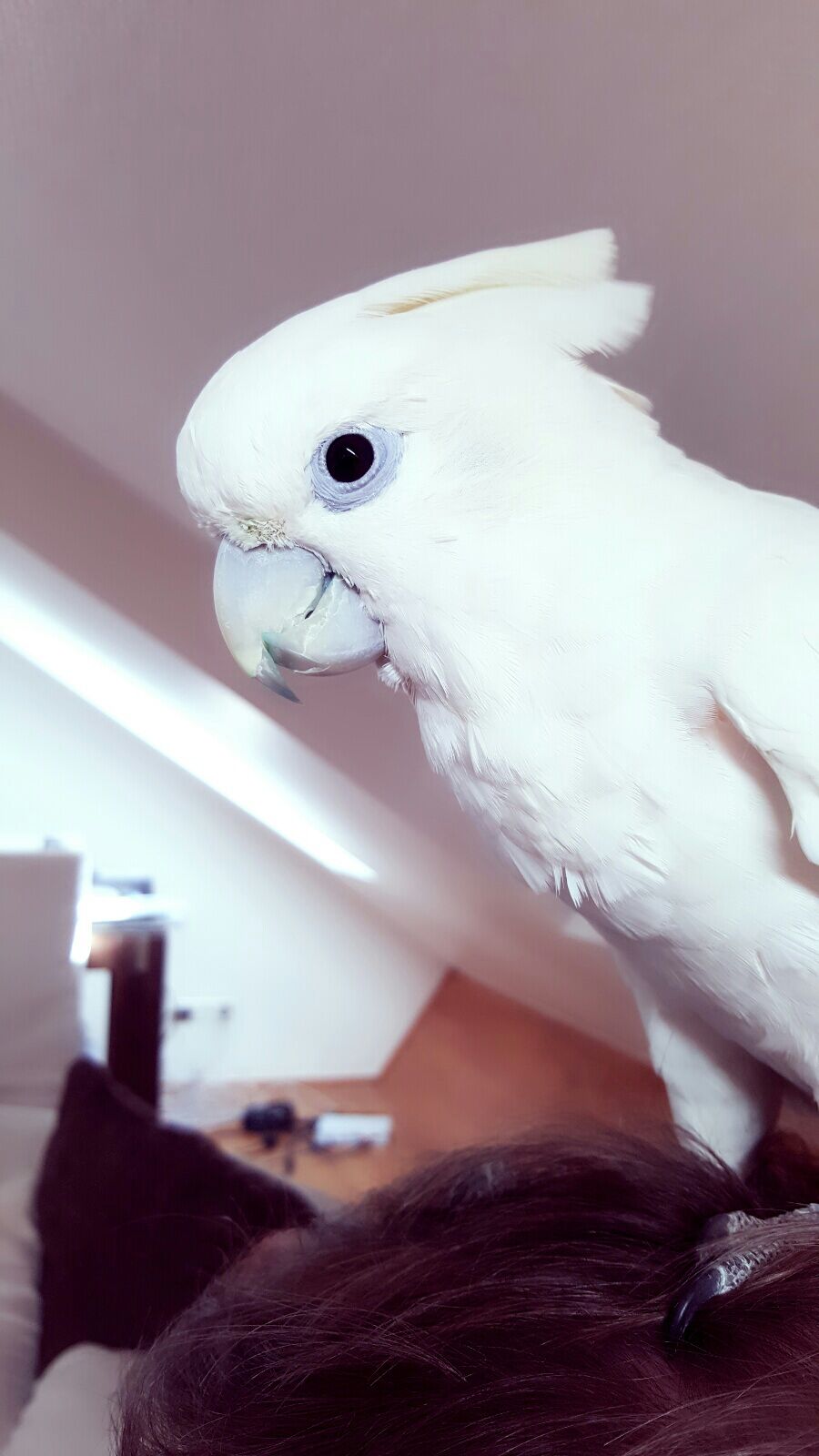
DUCORP'S COCKATOO
Cacatua ducorpsii
DESCRIPTION
Ducorp's Cockatoo (Cacatua ducorpsii) is a strikingly beautiful bird known for its predominantly white plumage and a distinctive crest that can be raised or lowered. This species exhibits a gentle and social demeanor, often seen foraging in pairs or small groups. In the wild, they inhabit tropical forests and are known for their playful behavior, often engaging in acrobatics and vocalizations.
FUN FACTS
- Ducorp's Cockatoo is known for its impressive vocal abilities, often mimicking sounds and human speech, making them popular in aviculture
- Additionally, they have a unique social structure, often forming strong bonds with their mates and displaying affectionate behaviors towards each other
QUICK INFO
Lifespan20-30 years in captivity
Average Weight250-350 g
Average Length30-35 cm
Diet TypeHerbivore
Social Structurepair or small group, often seen foraging together
Activity PatternDiurnal
Breeding SeasonSpring (March-May)
- Habitat
- This species thrives in tropical rainforests, often found in areas with abundant vegetation. They prefer habitats with a mix of open spaces and dense tree cover for foraging and nesting.
- Biomes
- Tropical Rainforest
- Native Range
- Ducorp's Cockatoo is native to the islands of Indonesia, particularly the islands of Sula and surrounding areas.
- Continent
- Asia
- Countries
- Indonesia
- Diet
- Ducorp's Cockatoo primarily feeds on seeds, fruits, and nuts, utilizing its strong beak to crack open hard shells. They are also known to consume flowers and other plant materials.
- Diet Type
- Herbivore
- Favorite Food
- seeds, fruits, nuts
- Social Structure
- pair or small group, often seen foraging together
- Activity Pattern
- Diurnal
- Group Size
- 2-10
- Territorial
- 0
 LC
LC
 VU
VU
250-350 g
Weight
30-35 cm
Length
- Coloration
- predominantly white with a yellowish crest and a slight pink hue on the face
- Sexual Dimorphism
- males and females are similar in appearance, but males may have slightly larger crests
- Lifespan
- 20-30 years in captivity
- Offspring per Birth
- 1-2
- Sexual Maturity
- 2-3 years
- Breeding Season
- Spring (March-May)
EN
Endangered
IUCN Red List Status
- Population Status
- The population of Ducorp's Cockatoo is currently considered to be declining due to habitat loss and capture for the pet trade.
- Wild Population Estimate
- unknown
- Population Trend
- Decreasing
- Endangered
- 1
- Threats
- Main threats include habitat destruction due to logging and agriculture, as well as illegal trapping for the pet trade. These factors have significantly impacted their population in the wild.
- Conservation Program
- Various local conservation efforts are in place to protect their habitat and raise awareness about their plight.
- Predators
- Natural predators include larger birds of prey and snakes, which may pose a threat to eggs and young birds.
- Defense Mechanisms
- Ducorp's Cockatoo may use loud vocalizations and their agility to evade predators, as well as their ability to blend into their surroundings.
- Compatible Animals
- other cockatoos, parrots
- Found in Zoos
- Uncommon