


DUSKY PYGMY RATTLESNAKE
Sistrurus miliarius barbouri
DESCRIPTION
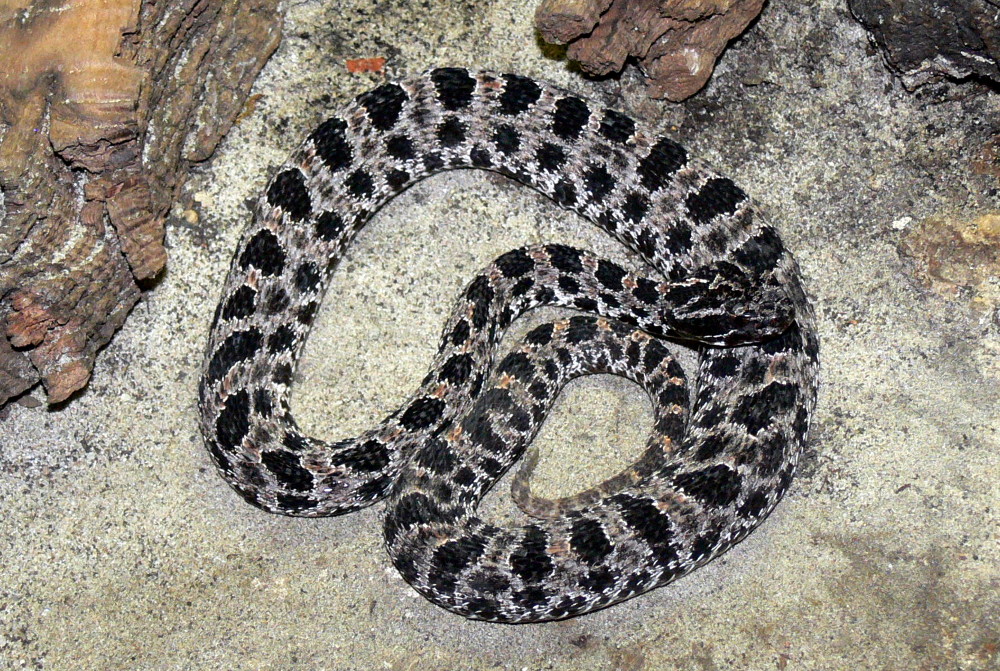
Dusky pygmy rattlesnake (Sistrurus miliarius barbouri) is commonly known as Barbour's pygmy rattlesnake and is a small, stout-bodied snake characterized by its distinctive coloration and pattern. It typically exhibits a gray or brown background with dark brown or black blotches along its back, providing excellent camouflage in its natural habitat. This species is primarily found in the southeastern United States and is known for its secretive behavior, often hiding under leaf litter or in dense vegetation.
FUN FACTS
- Dusky pygmy rattlesnakes are known for their unique rattle, which is made of keratin and can produce a buzzing sound when vibrated
- Interestingly, they are one of the smallest rattlesnake species, making them less intimidating than their larger relatives, yet they are still capable of delivering a potent venom
QUICK INFO
Lifespan10-15 years in the wild, up to 20 in captivity
Average Weight0.5-1.5 kg
Average Length0.5-0.8 m
Diet TypeCarnivore
Social Structuresolitary, typically found alone except during mating season
Activity PatternCrepuscular
Breeding SeasonSpring (April-June)
- Habitat
- This species inhabits a variety of environments, including pine forests, hardwood swamps, and grasslands. They prefer areas with ample cover, such as leaf litter and dense underbrush, which provide protection from predators.
- Biomes
- Temperate Forest, Wetland, Grassland
- Native Range
- The native range of the Dusky pygmy rattlesnake extends across the southeastern United States, particularly in states like Florida, Georgia, Alabama, and Mississippi.
- Continent
- North America
- Countries
- United States
- Diet
- Dusky pygmy rattlesnakes primarily feed on small mammals, amphibians, and occasionally birds. They use their heat-sensing pits to locate warm-blooded prey, striking quickly to inject venom.
- Diet Type
- Carnivore
- Favorite Food
- small mammals, amphibians
- Social Structure
- solitary, typically found alone except during mating season
- Activity Pattern
- Crepuscular
- Group Size
- 1
- Territorial
- 0
 VU
VU

0.5-1.5 kg
Weight
0.5-0.8 m
Length
- Coloration
- gray or brown with dark blotches
- Sexual Dimorphism
- males are generally smaller than females
- Lifespan
- 10-15 years in the wild, up to 20 in captivity
- Gestation Period
- 90-100 days
- Offspring per Birth
- 3-12
- Sexual Maturity
- 2-3 years
- Breeding Season
- Spring (April-June)
LC
Least Concern
IUCN Red List Status
- Population Status
- The population of Dusky pygmy rattlesnakes is currently stable, although habitat loss poses a potential threat.
- Wild Population Estimate
- unknown
- Population Trend
- Stable
- Endangered
- 0
- Threats
- Main threats include habitat destruction due to urban development and agriculture, as well as road mortality. These factors can lead to localized declines in certain areas.
- Predators
- birds of prey, larger snakes, mammals such as raccoons and foxes
- Defense Mechanisms
- They use their rattle as a warning signal to deter potential threats and can also deliver a venomous bite if provoked.
- Found in Zoos
- Uncommon