


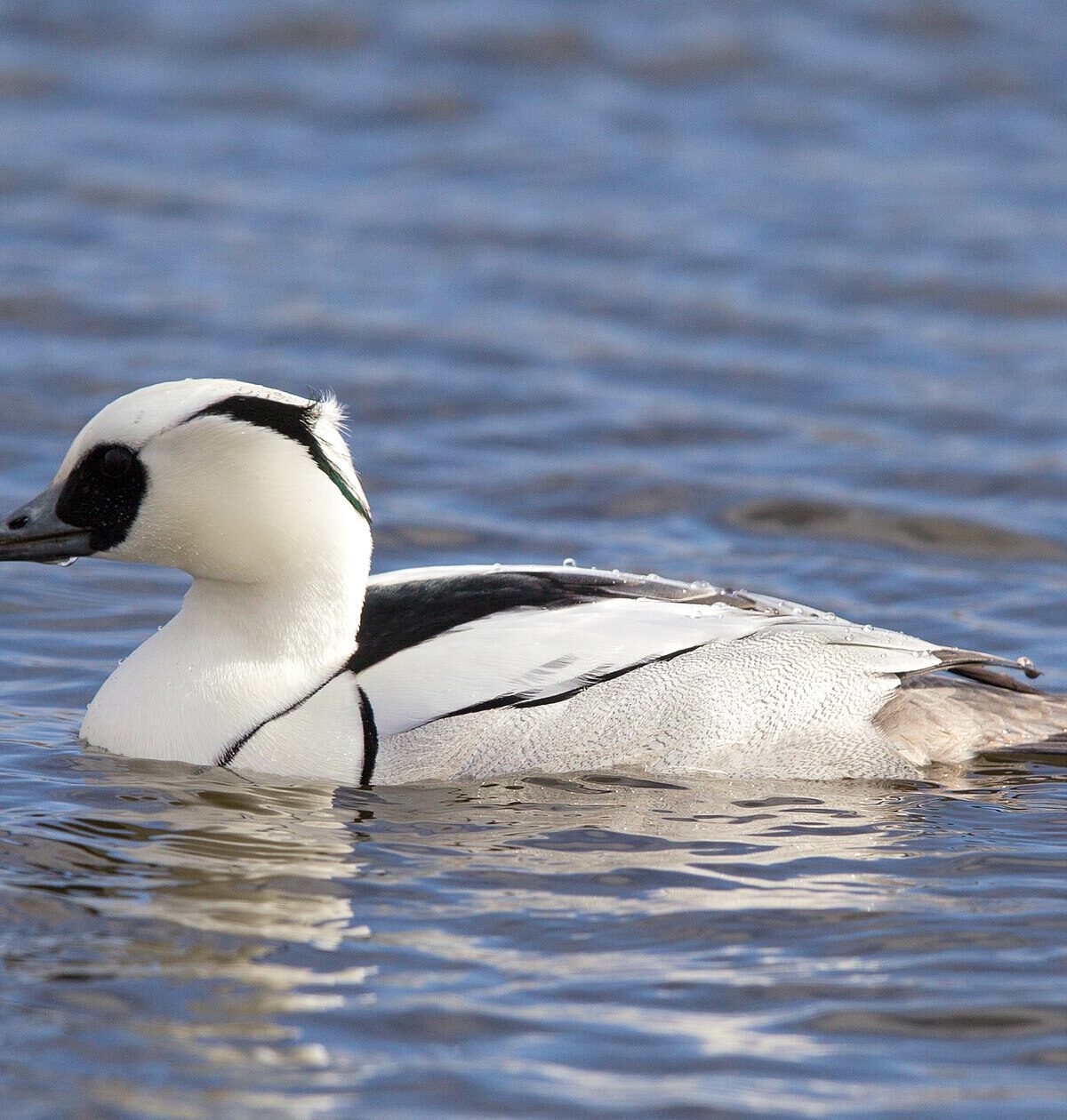
DWARF MERGANSER
Mergus albellus
DESCRIPTION
Dwarf Merganser (Mergus albellus) is a small diving duck known for its distinctive appearance, featuring a striking black and white plumage with a prominent crest. This species is primarily found in freshwater habitats, where it exhibits agile swimming and diving behaviors to catch its prey. Dwarf Mergansers are often seen foraging alone or in small groups, showcasing their adaptability to various aquatic environments.
FUN FACTS
- Dwarf Mergansers are among the smallest members of the duck family, making them particularly agile in the water
- They are also known for their unique courtship displays, which include elaborate swimming patterns and vocalizations to attract mates
QUICK INFO
Lifespan5-10 years in the wild
Average Weight0.5-1 kg
Average Length30-40 cm
Diet TypePiscivore
Social StructureThey are generally solitary or found in pairs, especially during the breeding season.
Activity PatternDiurnal
Breeding SeasonSpring (April-June)
- Habitat
- Dwarf Mergansers inhabit freshwater lakes, rivers, and marshes, often favoring areas with dense vegetation for cover. They require clean water bodies for foraging and nesting.
- Biomes
- Freshwater, Wetlands
- Native Range
- This species is native to parts of Europe and Asia, particularly in northern regions during the breeding season.
- Continent
- Europe, Asia
- Countries
- Norway, Sweden, Finland, Russia, Kazakhstan
- Diet
- Dwarf Mergansers primarily feed on small fish, aquatic invertebrates, and crustaceans. Their diet is largely composed of items they can catch while diving underwater.
- Diet Type
- Piscivore
- Favorite Food
- small fish, aquatic invertebrates
- Social Structure
- They are generally solitary or found in pairs, especially during the breeding season.
- Activity Pattern
- Diurnal
- Group Size
- 1-5
- Territorial
- 1

 LC
LC
 LC
LC
0.5-1 kg
Weight
30-40 cm
Length
- Coloration
- The male has a striking black head with a white neck and chest, while the female is more subdued with brownish tones.
- Sexual Dimorphism
- Males are more brightly colored than females, especially during the breeding season.
- Lifespan
- 5-10 years in the wild
- Offspring per Birth
- 5-10
- Sexual Maturity
- 1-2 years
- Breeding Season
- Spring (April-June)
VU
Vulnerable
IUCN Red List Status
- Population Status
- The population of Dwarf Mergansers is currently considered to be declining due to habitat loss and other environmental pressures.
- Wild Population Estimate
- 10,000-20,000
- Population Trend
- Decreasing
- Endangered
- 1
- Threats
- Main threats include habitat destruction due to wetland drainage and pollution, as well as hunting in some regions. Climate change also poses a risk to their breeding habitats.
- Conservation Program
- Various local conservation efforts are in place to protect wetland habitats, but specific programs for Dwarf Mergansers are limited.
- Predators
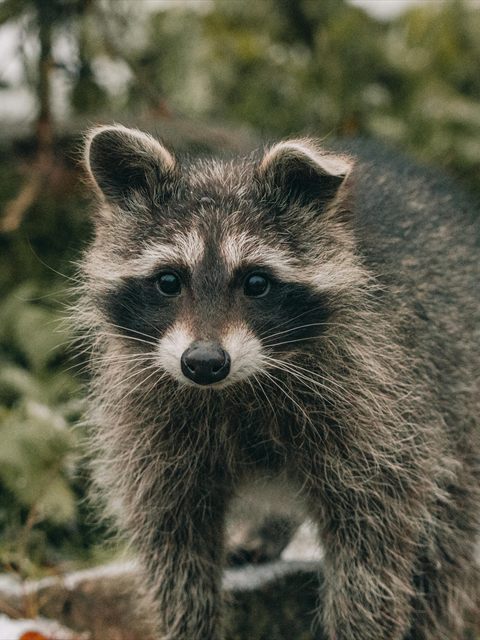
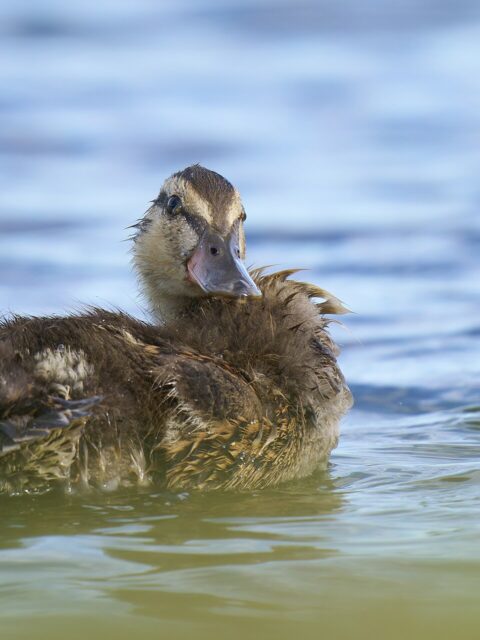
- Common predators include larger birds of prey, foxes, and raccoons, which may prey on eggs and young ducklings.
- Defense Mechanisms
- Dwarf Mergansers rely on their ability to dive quickly to escape threats, often hiding among vegetation when they feel threatened.
- Found in Zoos
- Uncommon