


DWARF MONGOOSE
Helogale parvula
DESCRIPTION
The Dwarf Mongoose is the smallest member of the mongoose family, typically measuring about 25 to 35 cm in length. It has a slender body, short legs, and a pointed snout, with a coat that is usually a mix of brown and gray, providing excellent camouflage in its natural habitat. These social animals are known for their cooperative behavior, often seen foraging and grooming each other in groups, which enhances their social bonds and increases their chances of survival.
FUN FACTS
- Dwarf mongooses are known for their playful behavior, often engaging in wrestling and chasing games with each other, which helps strengthen social bonds within the group
- They also have a unique vocal communication system, using a variety of sounds to alert each other to danger or to coordinate group activities
QUICK INFO
Lifespan7-10 years in the wild, up to 12 years in captivit
Average Weight0.6-1 kg
Average Length25-35 cm
Diet TypeInsectivore
Social Structuregroup — they live in family groups that work together to forage and protect each other.
Activity PatternDiurnal
Breeding SeasonYear-round, with peaks depending on local conditions
- Habitat
- Dwarf mongooses inhabit open savannas, grasslands, and scrublands, where they can easily dig burrows and find food. They prefer areas with plenty of cover to hide from predators and to hunt for insects.
- Biomes
- Savanna, Grassland
- Native Range
- Dwarf mongooses are native to sub-Saharan Africa, particularly in regions such as East and Southern Africa.
- Continent
- Africa
- Countries
- Kenya, Tanzania, South Africa, Botswana, Namibia
- Diet
- Dwarf mongooses primarily feed on insects, small vertebrates, and occasionally fruits. They are skilled hunters, using their keen sense of smell and sharp eyesight to locate prey.
- Diet Type
- Insectivore
- Favorite Food
- insects, small rodents
- Social Structure
- group — they live in family groups that work together to forage and protect each other.
- Activity Pattern
- Diurnal
- Group Size
- 5-20
- Territorial
- 1

 LC
LC
 LC
LC
 VU
VU
0.6-1 kg
Weight
25-35 cm
Length
- Coloration
- brownish-gray fur with a lighter underbelly
- Sexual Dimorphism
- males are slightly larger than females
- Lifespan
- 7-10 years in the wild, up to 12 years in captivit
- Gestation Period
- 60-70 days
- Offspring per Birth
- 2-4
- Sexual Maturity
- 1 year
- Breeding Season
- Year-round, with peaks depending on local conditions
LC
Least Concern
IUCN Red List Status
- Population Status
- The Dwarf Mongoose is currently not considered endangered and has a stable population in its native range.
- Wild Population Estimate
- unknown
- Population Trend
- Stable
- Endangered
- 0
- Threats
- Main threats include habitat loss due to agricultural expansion and human encroachment. They are also vulnerable to predation by larger carnivores and birds of prey.
- Predators
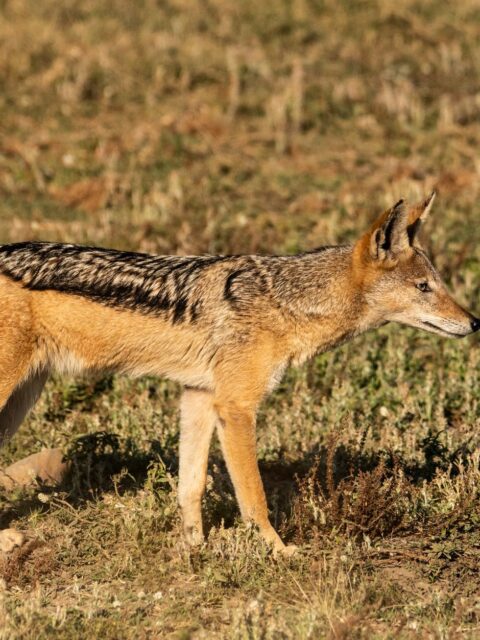
- African hawks, snakes, jackals, and larger carnivores such as lions and leopards.
- Defense Mechanisms
- Dwarf mongooses use their social structure to defend against predators, often taking turns to watch for danger while others forage.
- Found in Zoos
- Common