


EASTERN COYOTE
Canis latrans
DESCRIPTION
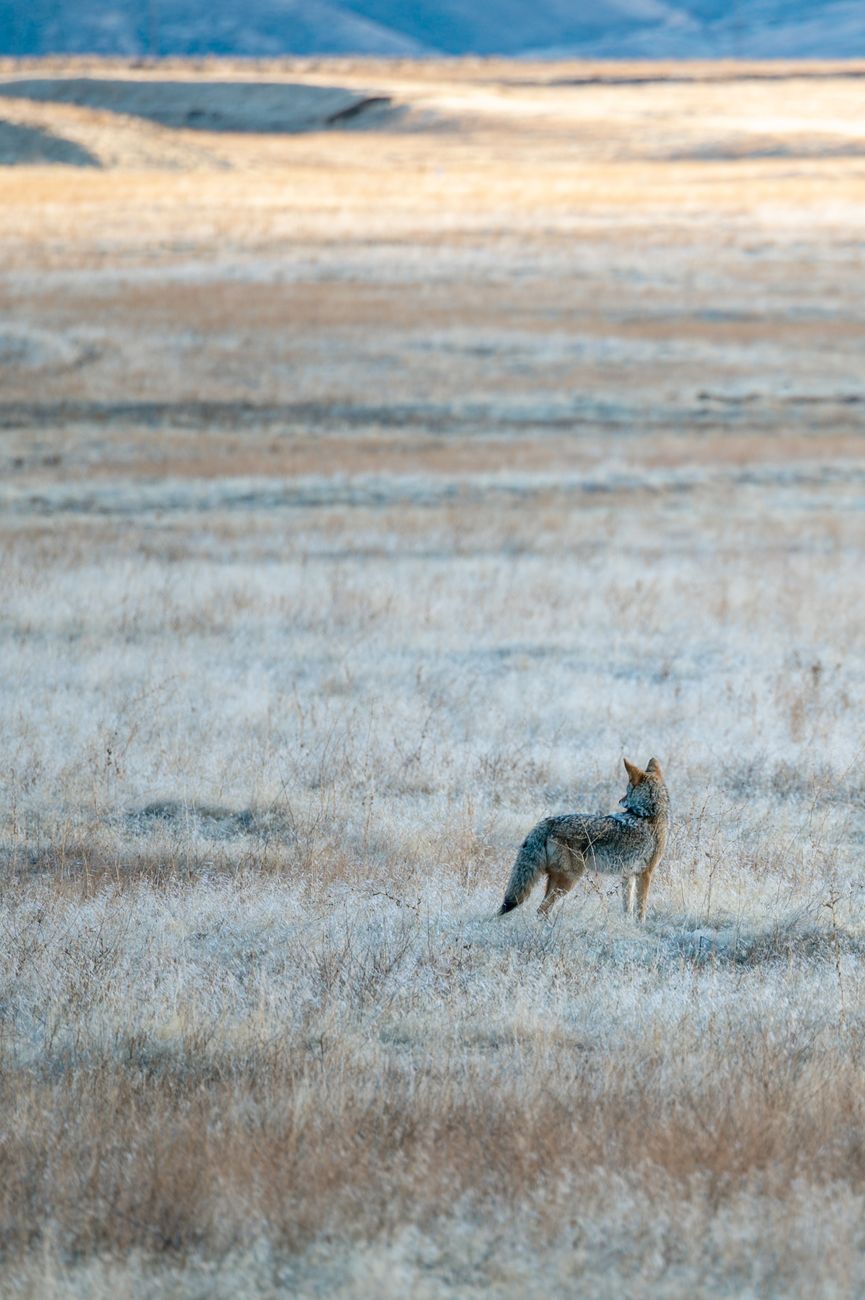
Eastern Coyote (Canis latrans) is commonly known as the Coywolf, a hybrid between the Eastern Coyote and the wolf. This medium-sized canid exhibits a slender build with long legs and a bushy tail, typically featuring a mix of gray, brown, and black fur. They are highly adaptable animals, often found in urban areas, and are known for their vocalizations, which include howls, yips, and barks, used for communication and territory marking.
FUN FACTS
- Eastern Coyotes have adapted remarkably well to urban environments, often scavenging for food in city parks and neighborhoods
- They have been known to form packs that can include both coyotes and domestic dogs, showcasing their adaptability and social nature
- | The Eastern Coyote's vocalizations are not only used for communication but also play a crucial role in their hunting strategy, as they can coordinate with pack members to hunt larger prey effectively
QUICK INFO
Lifespan10-14 years in the wild, up to 18 years in captivi
Average Weight11-23 kg
Average Length1-1.3 m
Diet TypeOmnivore
Social StructureThey typically form family groups, consisting of a breeding pair and their offspring, but can also be solitary.
Activity PatternCrepuscular
Breeding SeasonWinter (January-March)
- Habitat
- Eastern Coyotes thrive in diverse habitats, including forests, grasslands, and urban areas. They are highly adaptable and can be found in both rural and suburban environments.
- Biomes
- Temperate Forest, Grassland, Urban
- Native Range
- Eastern North America, from southern Canada to the eastern United States.
- Continent
- North America
- Countries
- Canada, United States
- Diet
- Eastern Coyotes are opportunistic feeders, consuming a varied diet that includes small mammals, birds, fruits, and carrion. Their diet can change seasonally based on food availability.
- Diet Type
- Omnivore
- Favorite Food
- small mammals, fruits
- Social Structure
- They typically form family groups, consisting of a breeding pair and their offspring, but can also be solitary.
- Activity Pattern
- Crepuscular
- Group Size
- 2-6
- Territorial
- 1
11-23 kg
Weight
1-1.3 m
Length
- Coloration
- Their fur is usually a mix of gray, brown, and black, with a lighter underbelly.
- Sexual Dimorphism
- Males are generally larger than females.
- Lifespan
- 10-14 years in the wild, up to 18 years in captivi
- Gestation Period
- 63 days
- Offspring per Birth
- 4-7
- Sexual Maturity
- 1-2 years
- Breeding Season
- Winter (January-March)
LC
Least Concern
IUCN Red List Status
- Population Status
- The Eastern Coyote population is currently stable and widespread across its range.
- Wild Population Estimate
- Unknown, but believed to be in the hundreds of thousands.
- Population Trend
- Stable
- Endangered
- 0
- Threats
- Main threats include habitat loss and vehicle collisions. They may also face competition with other predators and hunting.
- Predators
- Humans, larger predators such as wolves and bears may pose a threat, especially to young coyotes.
- Defense Mechanisms
- They use vocalizations to communicate and establish territory, and can also exhibit aggressive behaviors when threatened.
- Found in Zoos
- Uncommon