



EASTERN DIAMONDBACK RATTLESNAKE
Crotalus adamanteus
DESCRIPTION
The Eastern Diamondback Rattlesnake is the largest rattlesnake species, characterized by its distinctive diamond-shaped patterns along its back. It has a robust body, a broad head, and a rattle at the end of its tail, which it uses as a warning signal when threatened. This species is primarily found in the southeastern United States and is known for its defensive behavior, often coiling and rattling when approached.
FUN FACTS
- The Eastern Diamondback Rattlesnake is not only the largest rattlesnake but also one of the heaviest, with some individuals weighing over 10 pounds
- Its venom is highly potent, capable of subduing large prey, but it is generally not aggressive towards humans unless threatened
- | This species plays a crucial role in its ecosystem by controlling rodent populations, which helps maintain the balance of its habitat
- Despite its fearsome reputation, it is often misunderstood and plays an important role in the biodiversity of the regions it inhabits
QUICK INFO
Lifespan10-20 years in the wild, up to 30 years in captivi
Average Weight1.5-2.5 kg
Average Length1.5-2.4 m
Diet TypeCarnivore
Social StructureSolitary, as they typically prefer to live and hunt alone.
Activity PatternCrepuscular
Breeding SeasonSpring (April-June)
- Habitat
- This species inhabits a variety of environments, including pine forests, hardwood swamps, and coastal marshes. It prefers areas with dense vegetation for cover and open spaces for basking.
- Biomes
- Temperate Forest, Grassland, Wetland
- Native Range
- The Eastern Diamondback Rattlesnake is native to the southeastern United States, primarily found in states like Florida, Georgia, Alabama, and South Carolina.
- Continent
- North America
- Countries
- United States
- Diet
- The Eastern Diamondback Rattlesnake primarily preys on small mammals, birds, and occasionally reptiles. It uses its heat-sensing pits to locate warm-blooded prey in its environment.
- Diet Type
- Carnivore
- Favorite Food
- Rats, mice, and birds
- Social Structure
- Solitary, as they typically prefer to live and hunt alone.
- Activity Pattern
- Crepuscular
- Group Size
- 1
- Territorial
- 1
 VU
VU
 LC
LC
 LC
LC
1.5-2.5 kg
Weight
1.5-2.4 m
Length
- Coloration
- The coloration features a pattern of dark brown or black diamonds on a lighter background, which provides excellent camouflage in its natural habitat.
- Sexual Dimorphism
- Males are generally smaller than females.
- Lifespan
- 10-20 years in the wild, up to 30 years in captivi
- Gestation Period
- 90-100 days
- Offspring per Birth
- 8-20
- Sexual Maturity
- 2-3 years
- Breeding Season
- Spring (April-June)
LC
Least Concern
IUCN Red List Status
- Population Status
- The population is currently stable but faces threats from habitat loss and human encroachment.
- Wild Population Estimate
- Unknown
- Population Trend
- Stable
- Endangered
- 0
- Threats
- Main threats include habitat destruction due to urban development and agriculture, as well as persecution by humans. Road mortality is also a significant risk for this species.
- Predators
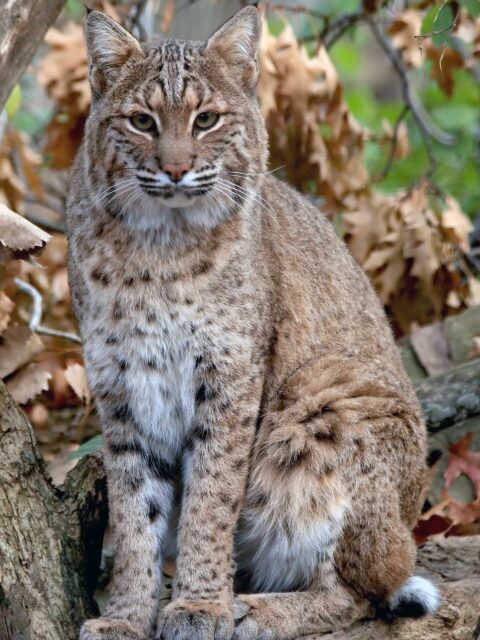
- Birds of prey, such as hawks and eagles, as well as larger mammals like coyotes and bobcats.
- Defense Mechanisms
- The Eastern Diamondback Rattlesnake uses its rattle as a warning signal to deter potential threats and can deliver a venomous bite if provoked.
- Found in Zoos
- Common