


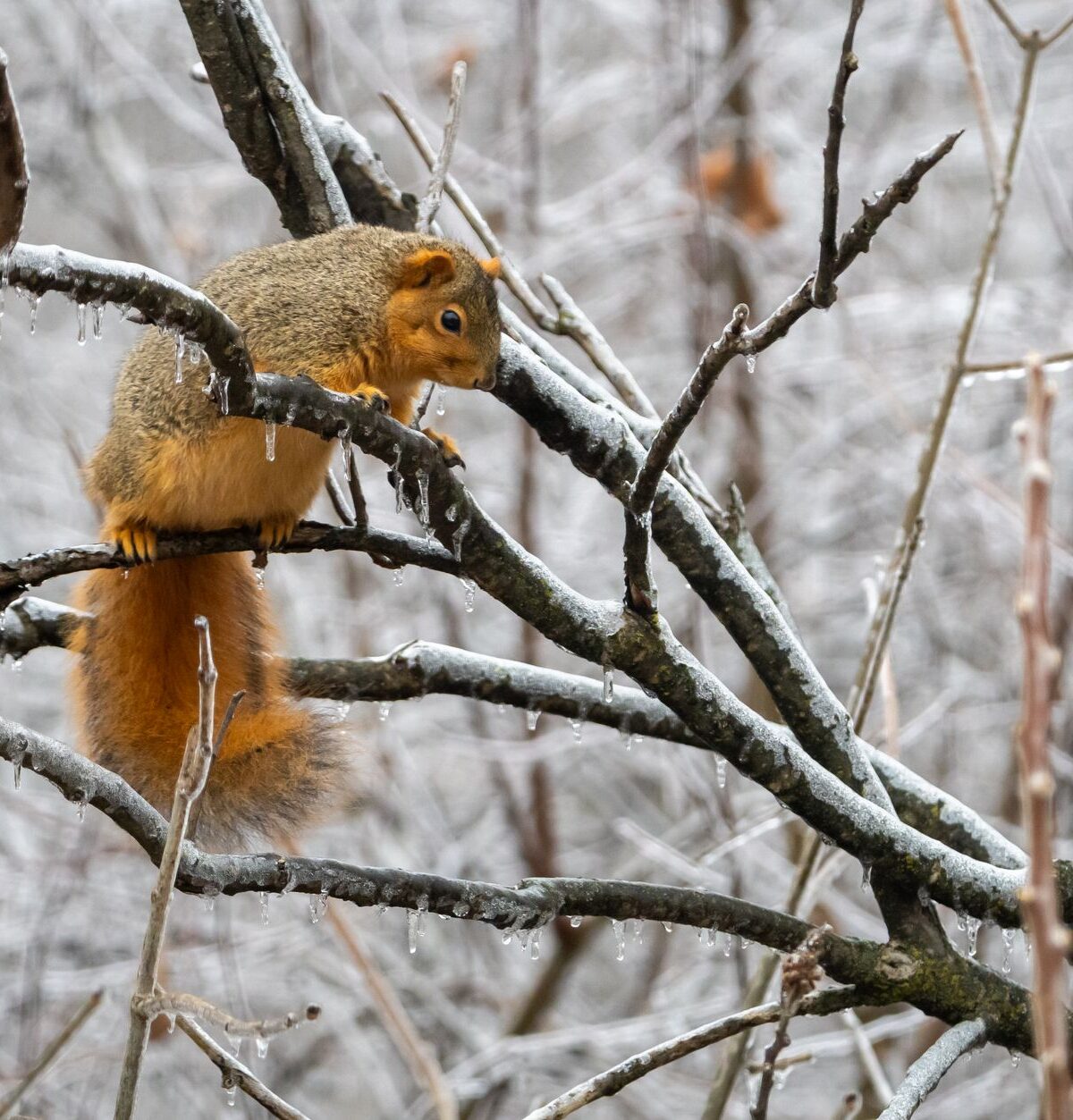
EASTERN FOX SQUIRREL
Sciurus niger
DESCRIPTION
Eastern Fox Squirrel (Sciurus niger) is commonly known as the Fox Squirrel due to its distinctive coloration and size. This species is characterized by its large body, bushy tail, and a coat that can range from gray to reddish-brown, often with a lighter underbelly. They are known for their agility and are often seen foraging for food in trees and on the ground, displaying a mix of solitary and social behaviors depending on the season.
FUN FACTS
- Eastern Fox Squirrels are known for their impressive memory, which helps them locate their hidden food caches even months later
- They can also leap up to 10 times their body length, making them incredibly agile in their arboreal habitats.| These squirrels have a unique way of communicating with each other, using a variety of vocalizations and tail movements to convey messages about food sources and potential threats
QUICK INFO
Lifespan6-12 years in the wild, up to 18 in captivity
Average Weight0.5-1.0 kg
Average Length0.5-0.7 m
Diet TypeOmnivore
Social StructureSolitary, but can be seen in small groups during the breeding season.
Activity PatternDiurnal
Breeding SeasonWinter to early spring (December-April)
- Habitat
- These squirrels thrive in a variety of habitats, including deciduous forests, urban areas, and parks. They prefer areas with abundant trees for nesting and foraging.
- Biomes
- Temperate Forest, Urban
- Native Range
- Eastern and Midwestern United States, parts of Canada
- Continent
- North America
- Countries
- United States, Canada
- Diet
- Eastern Fox Squirrels primarily eat nuts, seeds, fruits, and occasionally insects. They are known to cache food for later consumption, which plays a crucial role in forest regeneration.
- Diet Type
- Omnivore
- Favorite Food
- Acorns, nuts, seeds
- Social Structure
- Solitary, but can be seen in small groups during the breeding season.
- Activity Pattern
- Diurnal
- Group Size
- 1-5
- Territorial
- 1
 LC
LC
 LC
LC
 LC
LC
0.5-1.0 kg
Weight
0.5-0.7 m
Length
- Coloration
- Gray to reddish-brown with a lighter underbelly
- Sexual Dimorphism
- Males are generally larger than females.
- Lifespan
- 6-12 years in the wild, up to 18 in captivity
- Gestation Period
- 44 days
- Offspring per Birth
- 2-4
- Sexual Maturity
- 1 year
- Breeding Season
- Winter to early spring (December-April)
LC
Least Concern
IUCN Red List Status
- Population Status
- The population is currently stable, with a wide distribution across its native range.
- Wild Population Estimate
- 1,000,000+
- Population Trend
- Stable
- Endangered
- 0
- Threats
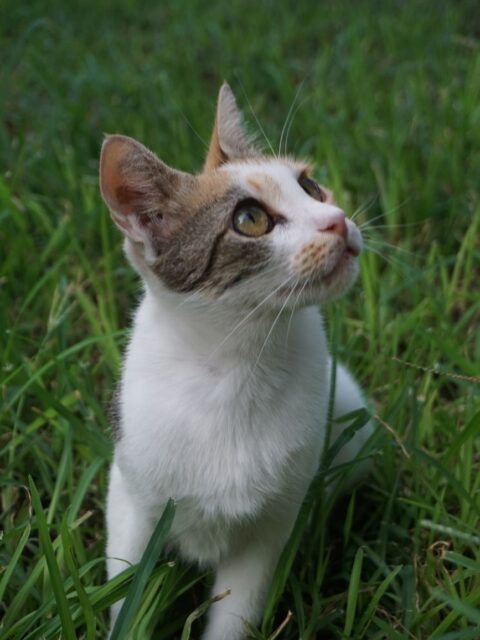
- Main threats include habitat loss due to urban development and predation by domestic cats and birds of prey. Additionally, road mortality poses a significant risk to their populations.
- Predators
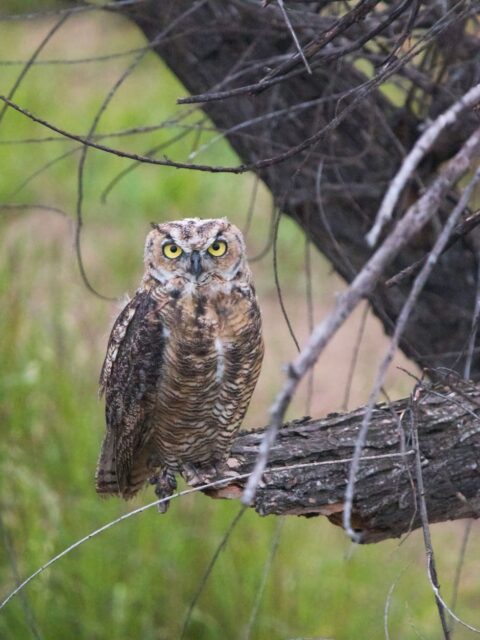
- Red-tailed Hawks, Great Horned Owls, Coyotes, Domestic Cats
- Defense Mechanisms
- They use their agility to escape predators and can also emit alarm calls to warn other squirrels of danger.
- Compatible Animals
- Eastern Gray Squirrel, various bird species
- Found in Zoos
- Common