


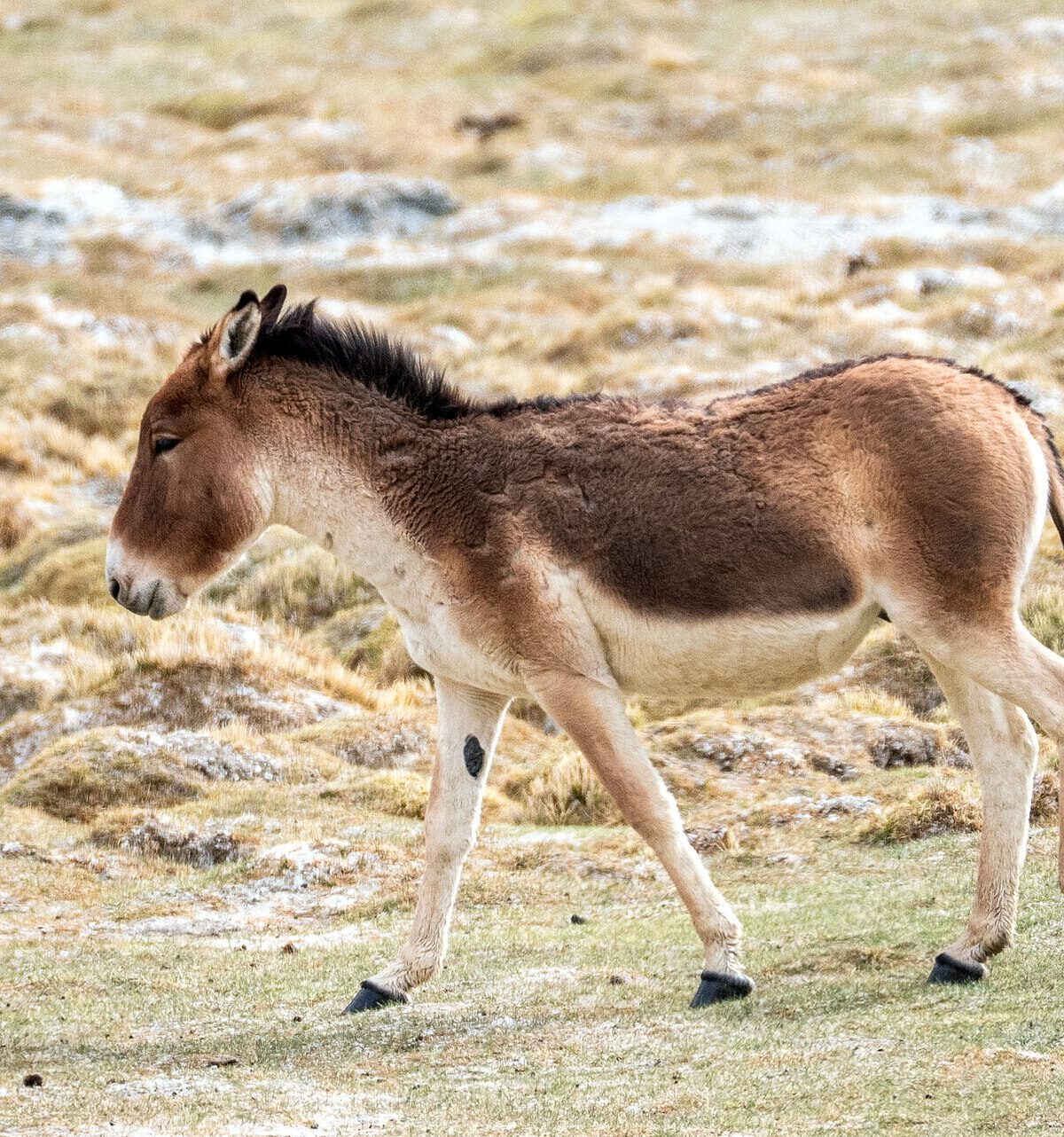
EASTERN KIANG
Equus kiang
DESCRIPTION
Eastern Kiang (Equus kiang) is commonly known as Kiang, a large wild ass native to the Tibetan Plateau. It has a robust body, long legs, and a distinctive dark brown coat with a lighter underbelly, which helps it blend into its mountainous habitat. These animals are social and often found in herds, displaying a range of behaviors including grazing and playing, which are essential for their social structure and ecological interactions.
FUN FACTS
- Eastern Kiang is one of the largest wild equids and is well-adapted to the harsh conditions of the Tibetan Plateau, where temperatures can drop significantly
- They have a unique social structure that allows them to thrive in their environment, often engaging in playful behaviors that strengthen social bonds within the herd
- | Unlike domestic horses, Eastern Kiang has a more robust build and a thicker coat, which helps them survive in the cold, high-altitude regions
- Their ability to graze on tough grasses and shrubs makes them an important part of the ecosystem, as they help maintain the balance of their habitat
QUICK INFO
Lifespan15-20 years in the wild, up to 25 in captivity
Average Weight200-300 kg
Average Length2-2.5 m
Diet TypeHerbivore
Social Structuregroup — they typically live in herds that can range from a few individuals to larger groups.
Activity PatternDiurnal
Breeding SeasonSpring (April-June)
- Habitat
- Eastern Kiang inhabits the alpine and subalpine regions of the Tibetan Plateau, often found in open grasslands and rocky terrains. They are well-suited to the cold, arid climate of this high-altitude environment.
- Biomes
- Alpine, Grassland
- Native Range
- The native range of Eastern Kiang includes the Tibetan Plateau, particularly in regions of China, India, and Nepal.
- Continent
- Asia
- Countries
- China, India, Nepal
- Diet
- Eastern Kiang primarily feeds on grasses, herbs, and shrubs found in its high-altitude habitat. They are well-adapted to foraging in the harsh conditions of the Tibetan Plateau.
- Diet Type
- Herbivore
- Favorite Food
- grasses, herbs, shrubs
- Social Structure
- group — they typically live in herds that can range from a few individuals to larger groups.
- Activity Pattern
- Diurnal
- Group Size
- 5-30
- Territorial
- 0
 VU
VU
 LC
LC
200-300 kg
Weight
2-2.5 m
Length
1.2-1.5 m at shoulder
Height (Shoulder)
- Coloration
- dark brown coat with a lighter underbelly and a distinctive dorsal stripe
- Sexual Dimorphism
- males are generally larger than females
- Lifespan
- 15-20 years in the wild, up to 25 in captivity
- Gestation Period
- 11-12 months
- Offspring per Birth
- 1
- Sexual Maturity
- 3-4 years
- Breeding Season
- Spring (April-June)
LC
Least Concern
IUCN Red List Status
- Population Status
- The population of Eastern Kiang is currently stable, although it faces threats from habitat loss and poaching.
- Wild Population Estimate
- 20,000-30,000
- Population Trend
- Stable
- Endangered
- 0
- Threats
- Main threats to Eastern Kiang include habitat degradation due to human encroachment and poaching for their meat and hides. Climate change also poses a risk by altering their high-altitude habitat.
- Conservation Program
- Various conservation programs are in place in China to protect their habitat and monitor populations.
- Predators
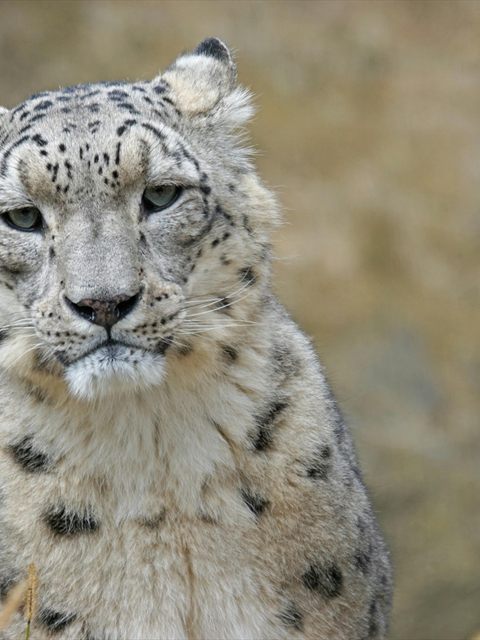
- Snow leopards, wolves, and Tibetan foxes are known predators of Eastern Kiang.
- Defense Mechanisms
- They rely on their speed and agility to escape predators, often fleeing in groups to confuse attackers.
- Compatible Animals
- Tibetan antelope, blue sheep, yaks
- Found in Zoos
- Uncommon