


EASTERN MASSASAUGA RATTLESNAKE
DESCRIPTION
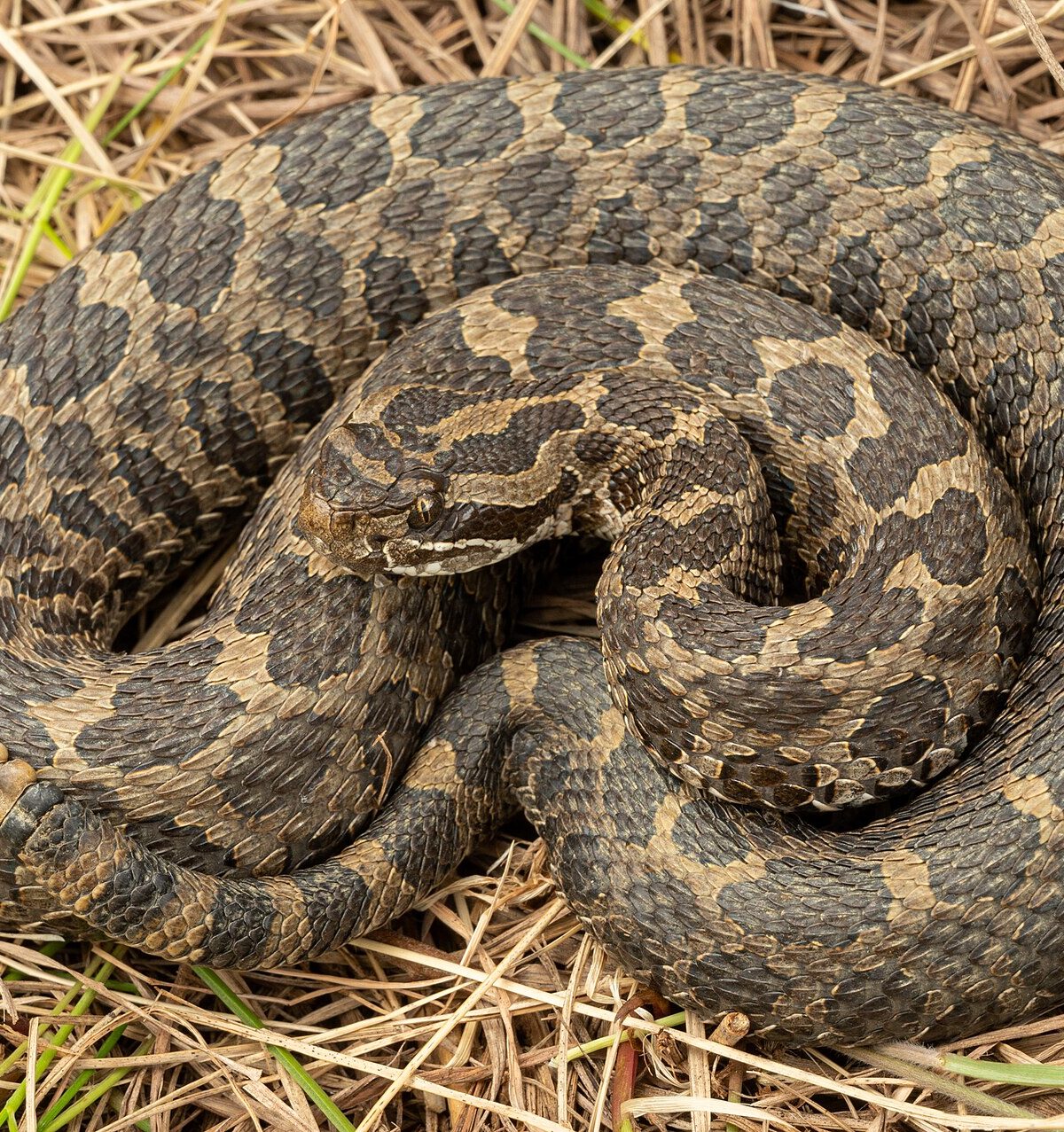
Eastern Massasauga Rattlesnake, also known as the Massasauga, is a small to medium-sized rattlesnake characterized by its distinctive gray or brown coloration with dark blotches along its back. This species typically reaches lengths of 1 to 2 feet and has a stout body with a triangular head. They are known for their shy and reclusive nature, often hiding in dense vegetation or burrows, making them less frequently encountered than other rattlesnake species.
FUN FACTS
- Eastern Massasauga Rattlesnakes are the only venomous snake species found in Michigan, making them a unique part of the state's wildlife
- They play a crucial role in their ecosystem by controlling rodent populations, which helps maintain the balance of their habitats.| Despite their venomous nature, Eastern Massasaugas are generally not aggressive and will often choose to flee rather than confront a threat, making them less dangerous to humans than many other snake species
QUICK INFO
Lifespan10-15 years in the wild, up to 20 in captivity
Average Weight0.5-1.5 kg
Average Length0.6-1.2 m
Diet TypeCarnivore
Social Structuresolitary, typically found alone except during mating season
Activity PatternCrepuscular
Breeding SeasonSpring (April-June)
- Habitat
- This species inhabits wetlands, grasslands, and woodlands, often near water sources. They prefer areas with abundant cover such as dense grasses and shrubs.
- Biomes
- Temperate Forest, Wetland, Grassland
- Native Range
- The Eastern Massasauga Rattlesnake is native to the Great Lakes region of North America, primarily found in parts of the United States and Canada.
- Continent
- North America
- Countries
- United States, Canada
- Diet
- Eastern Massasauga Rattlesnakes primarily feed on small mammals, birds, and amphibians. They use their heat-sensing pits to locate warm-blooded prey, striking quickly to inject venom.
- Diet Type
- Carnivore
- Favorite Food
- mice, small birds
- Social Structure
- solitary, typically found alone except during mating season
- Activity Pattern
- Crepuscular
- Group Size
- 1
- Territorial
- 0
 VU
VU
 LC
LC
0.5-1.5 kg
Weight
0.6-1.2 m
Length
- Coloration
- gray or brown with dark blotches
- Sexual Dimorphism
- males are generally smaller than females
- Lifespan
- 10-15 years in the wild, up to 20 in captivity
- Gestation Period
- 90-100 days
- Offspring per Birth
- 4-12
- Sexual Maturity
- 2-3 years
- Breeding Season
- Spring (April-June)
VU
Vulnerable
IUCN Red List Status
- Population Status
- The population of Eastern Massasauga Rattlesnakes is declining due to habitat loss and other factors.
- Wild Population Estimate
- unknown
- Population Trend
- Decreasing
- Endangered
- 1
- Threats
- Main threats include habitat destruction, road mortality, and persecution due to fear of snakes. Conservation efforts are needed to protect their habitats and mitigate human-snake conflicts.
- Predators
- birds of prey, larger mammals, and other snakes
- Defense Mechanisms
- They use their rattles to warn potential threats and may also exhibit a defensive posture by coiling and hissing.
- Found in Zoos
- Uncommon