


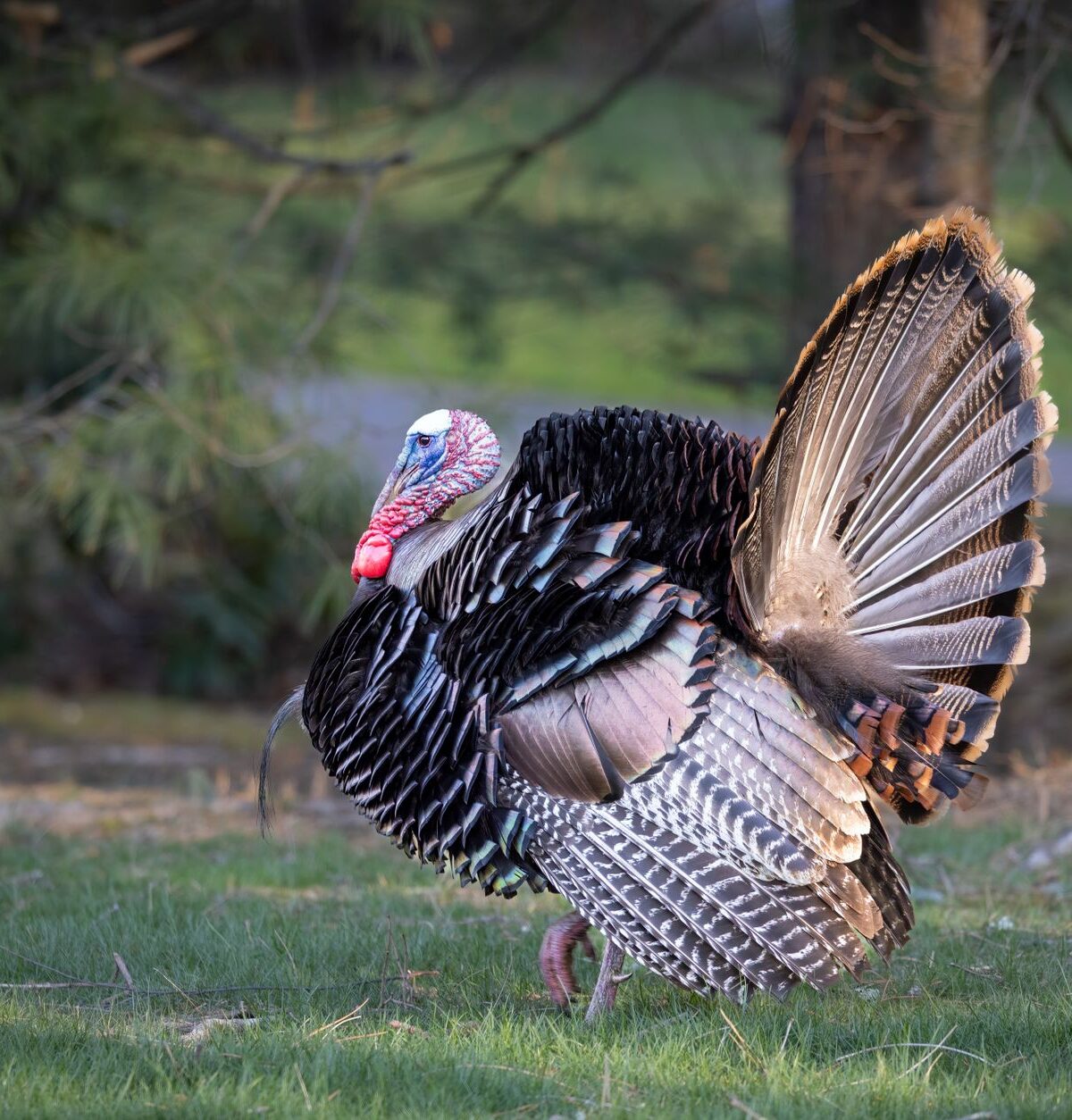
EASTERN WILD TURKEY
Meleagris gallopavo silvestris
DESCRIPTION
Eastern Wild Turkey (Meleagris gallopavo silvestris) is commonly known as the Wild Turkey. This large bird is characterized by its iridescent plumage, which can range from bronze to greenish hues, and its distinctive fan-shaped tail. They are known for their social behavior, often seen foraging in groups and displaying elaborate courtship rituals during the breeding season.
FUN FACTS
- Eastern Wild Turkeys can fly at speeds of up to 55 miles per hour for short distances, making them surprisingly agile despite their size
- Additionally, they have excellent vision, allowing them to see in color and detect movement from great distances, which helps them evade predators
QUICK INFO
Lifespan3-5 years in the wild, up to 10 years in captivity
Average Weight5.4-11.3 kg
Average Length0.85-1.2 m
Diet TypeOmnivore
Social StructureThey are typically found in groups, especially outside of the breeding season, where they can form flocks of varying sizes.
Activity PatternDiurnal
Breeding SeasonSpring (March-May)
- Habitat
- They inhabit a range of environments, including forests, grasslands, and agricultural areas. Eastern Wild Turkeys prefer areas with a mix of open spaces and wooded regions for foraging and roosting.
- Biomes
- Temperate Forest, Grassland
- Native Range
- Eastern United States, from southern Maine to northern Florida and west to eastern Texas.
- Continent
- North America
- Countries
- United States
- Diet
- Eastern Wild Turkeys are omnivorous, feeding on a variety of plant materials, seeds, insects, and small vertebrates. Their diet can vary significantly based on seasonal availability.
- Diet Type
- Omnivore
- Favorite Food
- seeds, nuts, insects
- Social Structure
- They are typically found in groups, especially outside of the breeding season, where they can form flocks of varying sizes.
- Activity Pattern
- Diurnal
- Group Size
- 5-30
- Territorial
- 0

 LC
LC
5.4-11.3 kg
Weight
0.85-1.2 m
Length
- Coloration
- Iridescent bronze and green feathers with a distinctive beard of coarse feathers on the chest.
- Sexual Dimorphism
- Males are larger and more colorful than females, with a prominent snood and wattles.
- Lifespan
- 3-5 years in the wild, up to 10 years in captivity
- Offspring per Birth
- 10-15 eggs
- Sexual Maturity
- 1 year
- Breeding Season
- Spring (March-May)
LC
Least Concern
IUCN Red List Status
- Population Status
- The population of Eastern Wild Turkeys is generally stable, with successful conservation efforts in many areas.
- Wild Population Estimate
- 7 million
- Population Trend
- Stable
- Endangered
- 0
- Threats
- Main threats include habitat loss due to urban development and agricultural expansion, as well as hunting pressures. However, conservation efforts have helped stabilize their populations in many regions.
- Conservation Program
- Wild Turkey restoration programs in various states have been successful in increasing their numbers.
- Predators
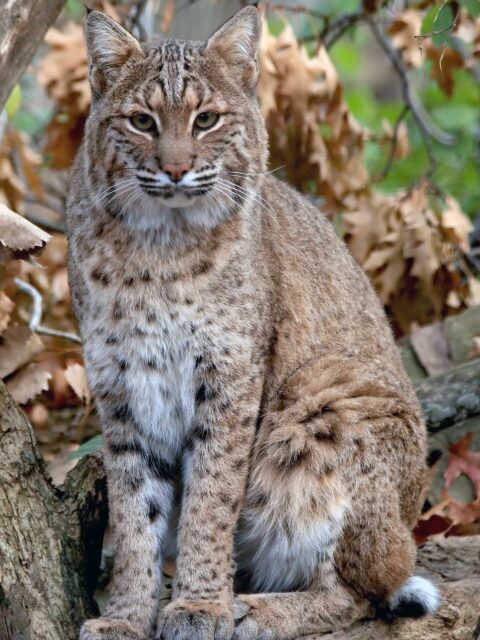
- Coyotes, bobcats, foxes, and various birds of prey such as hawks and owls.
- Defense Mechanisms
- They rely on their ability to fly short distances to escape predators and use their keen eyesight to detect danger.
- Found in Zoos
- Uncommon