


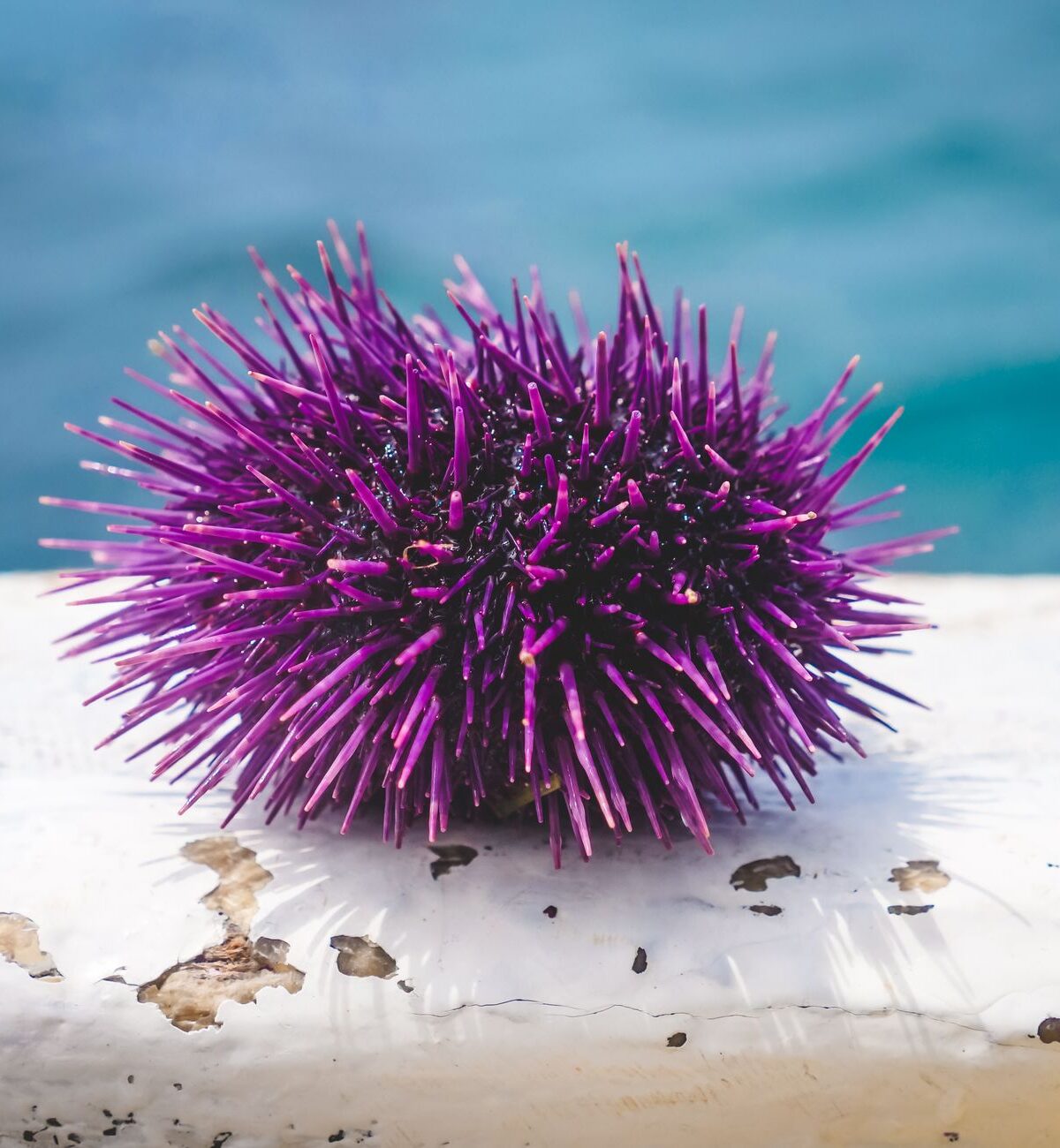
EDIBLE SEA URCHIN
Paracentrotus lividus
DESCRIPTION
Edible Sea Urchin (Paracentrotus lividus) is commonly known as the Purple Sea Urchin due to its distinctive purple coloration. This species has a globular body covered with spines, which can vary in color from purple to greenish-brown. They are primarily found in rocky coastal areas and exhibit a behavior of clinging to surfaces, using their tube feet for movement and feeding.
FUN FACTS
- Edible Sea Urchins are not only a culinary delicacy in many cultures, particularly in Mediterranean cuisine, but they also play a crucial role in their ecosystem by controlling algae growth
- Their reproductive strategy involves releasing eggs and sperm into the water column, where fertilization occurs, leading to a planktonic larval stage that can drift for several months before settling
- | The spines of the Edible Sea Urchin can regenerate if lost, allowing them to recover from predation attempts
- Additionally, their unique mouth structure, Aristotle's lantern, is a fascinating adaptation that allows them to scrape algae off rocks, showcasing their specialized feeding habits
QUICK INFO
Lifespan5-10 years in the wild
Average Weight0.5-1 kg
Average Length10-15 cm
Diet TypeHerbivore
Social Structuresolitary, occasionally found in small groups when feeding
Activity PatternNocturnal
Breeding SeasonLate spring to early summer
- Habitat
- They inhabit rocky substrates in shallow waters, often found in intertidal zones and subtidal environments. Their habitat is typically characterized by the presence of algae and other marine plants.
- Biomes
- Marine, Coastal
- Native Range
- Edible Sea Urchin is native to the Mediterranean Sea and the northeastern Atlantic Ocean.
- Continent
- Europe, Africa
- Countries
- Spain, Italy, France, Portugal, Morocco
- Diet
- Edible Sea Urchins primarily feed on algae, particularly kelp and other marine vegetation. They graze on these plants using their specialized mouthparts known as Aristotle's lantern.
- Diet Type
- Herbivore
- Favorite Food
- kelp, algae
- Social Structure
- solitary, occasionally found in small groups when feeding
- Activity Pattern
- Nocturnal
- Group Size
- 1-10
- Territorial
- 0
 EN
EN
 LC
LC
 LC
LC
0.5-1 kg
Weight
10-15 cm
Length
- Coloration
- purple to greenish-brown with spines
- Lifespan
- 5-10 years in the wild
- Offspring per Birth
- hundreds to thousands of larvae
- Sexual Maturity
- 2-3 years
- Breeding Season
- Late spring to early summer
LC
Least Concern
IUCN Red List Status
- Population Status
- The population is currently stable in many areas, but local declines have been noted due to overfishing.
- Wild Population Estimate
- Not specifically estimated, but populations are considered stable in many regions.
- Population Trend
- Stable
- Endangered
- 0
- Threats
- Main threats include overfishing and habitat destruction. In some regions, they are harvested for their gonads, which are considered a delicacy.
- Predators
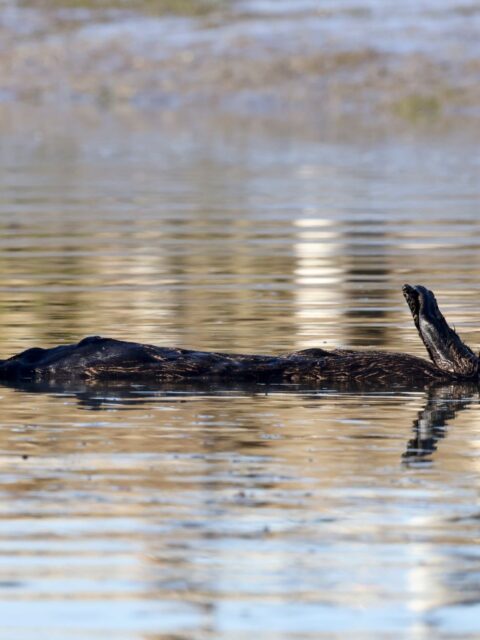
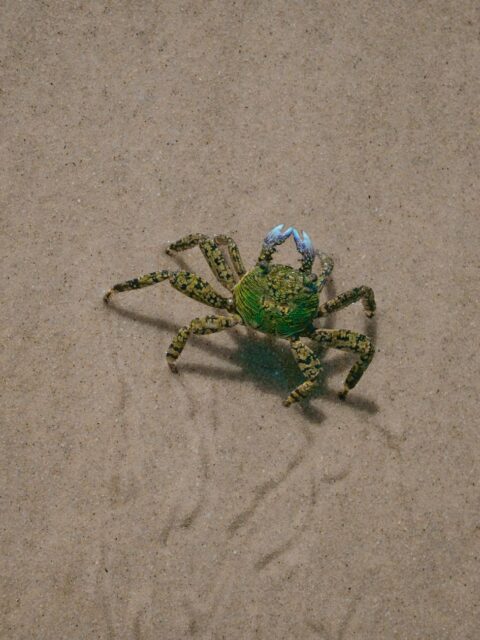
- Sea otters, fish, crabs, and birds are known predators of the Edible Sea Urchin.
- Defense Mechanisms
- They have spines that provide physical protection against predators and can also exhibit a behavior of curling up to protect their softer underside.
- Found in Zoos
- Uncommon