


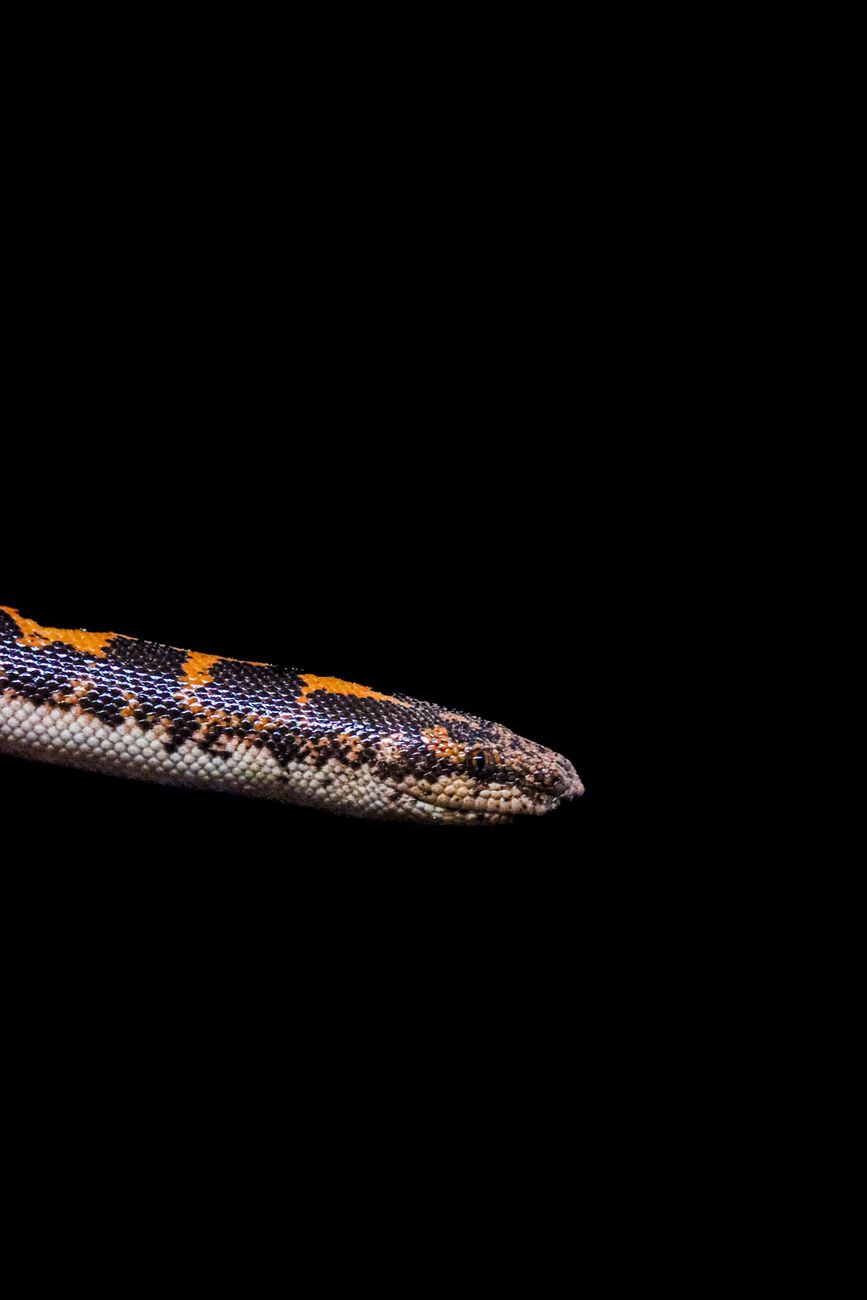
EGYPTIAN SAND BOA
Eryx jaculus
DESCRIPTION
Egyptian Sand Boa (Eryx jaculus) is a small, stout snake that typically exhibits a sandy or light brown coloration with darker blotches, providing excellent camouflage in its desert habitat. This species is known for its burrowing behavior, often hiding beneath the sand or in loose soil to escape the heat and avoid predators. It is primarily nocturnal, emerging at night to hunt and engage in mating activities, making it a fascinating subject for herpetologists and snake enthusiasts alike.
FUN FACTS
- The Egyptian Sand Boa is an excellent burrower, using its muscular body to push through sand and soil, which allows it to escape the heat of the day and avoid predators
- Additionally, this species has a unique method of locomotion called 'sidewinding,' which helps it move efficiently across loose sand.|Despite their small size, Egyptian Sand Boas can consume prey that is significantly larger than their own diameter, showcasing their impressive ability to stretch their jaws and bodies to accommodate larger meals
QUICK INFO
Lifespan10-15 years in the wild, up to 20 years in captivi
Average Weight0.5-1.5 kg
Average Length0.6-1.2 m
Diet TypeCarnivore
Social Structuresolitary
Activity PatternNocturnal
Breeding SeasonSpring (April-June)
- Habitat
- This species is typically found in arid and semi-arid environments, including sandy deserts and scrublands. It prefers loose, sandy soils that facilitate its burrowing lifestyle.
- Biomes
- Desert, Grassland
- Native Range
- The Egyptian Sand Boa is native to North Africa and parts of the Middle East.
- Continent
- Africa, Asia
- Countries
- Egypt, Libya, Sudan, Tunisia, Algeria, Morocco, Israel, Jordan
- Diet
- The Egyptian Sand Boa primarily feeds on small mammals and birds, using constriction to subdue its prey. It has a specialized feeding mechanism that allows it to consume prey larger than its head.
- Diet Type
- Carnivore
- Favorite Food
- small mammals, birds
- Social Structure
- solitary
- Activity Pattern
- Nocturnal
- Group Size
- 1
- Territorial
- 0
 VU
VU
0.5-1.5 kg
Weight
0.6-1.2 m
Length
- Coloration
- sandy or light brown with darker blotches
- Sexual Dimorphism
- Females are generally larger than males.
- Lifespan
- 10-15 years in the wild, up to 20 years in captivi
- Gestation Period
- 120-150 days
- Offspring per Birth
- 4-12
- Sexual Maturity
- 2-3 years
- Breeding Season
- Spring (April-June)
LC
Least Concern
IUCN Red List Status
- Population Status
- The population is currently stable, with no significant declines reported.
- Wild Population Estimate
- Unknown
- Population Trend
- Stable
- Endangered
- 0
- Threats
- Main threats include habitat destruction due to urbanization and agriculture. Additionally, they may be affected by illegal pet trade.
- Predators
- Birds of prey, larger snakes, and mammals such as foxes may prey on the Egyptian Sand Boa.
- Defense Mechanisms
- When threatened, the Egyptian Sand Boa may burrow deeper into the sand or remain motionless to avoid detection.
- Found in Zoos
- Uncommon