



EMERALD SKINK
DESCRIPTION
The Emerald Skink is a small, vibrant lizard known for its striking green coloration, which helps it blend into its lush forest habitat. It has a slender body and smooth scales, making it agile and quick in its movements. This species is primarily found in forested areas, where it can often be seen basking on rocks or leaves, showcasing its bright coloration.
FUN FACTS
- Emerald Skinks are known for their remarkable ability to regenerate their tails after losing them, a trait that helps them evade predators
- This regeneration process can take several weeks, and the new tail may differ in color and texture from the original
- | These skinks are also quite curious and will often investigate their surroundings, making them a favorite among reptile enthusiasts
- Their vibrant coloration not only serves as camouflage but also plays a role in social interactions among individuals
QUICK INFO
Lifespan5-10 years in the wild, up to 15 in captivity
Average Weight10-20 g
Average Length10-15 cm
Diet TypeInsectivore
Social Structuregroup
Activity PatternDiurnal
Breeding SeasonSpring (September-November)
- Habitat
- Emerald Skinks inhabit moist, forested areas, often near streams or in dense vegetation. They prefer environments that provide ample cover and basking spots.
- Biomes
- Tropical Rainforest, Temperate Forest
- Native Range
- The Emerald Skink is native to New Zealand, particularly found on the North Island and some offshore islands.
- Continent
- Oceania
- Countries
- New Zealand
- Diet
- Emerald Skinks primarily feed on small insects and other invertebrates. They are adept at catching their prey using quick movements and a keen sense of sight.
- Diet Type
- Insectivore
- Favorite Food
- small insects, spiders
- Social Structure
- group
- Activity Pattern
- Diurnal
- Group Size
- 2-10
- Territorial
- 0
 LC
LC

 VU
VU
10-20 g
Weight
10-15 cm
Length
- Coloration
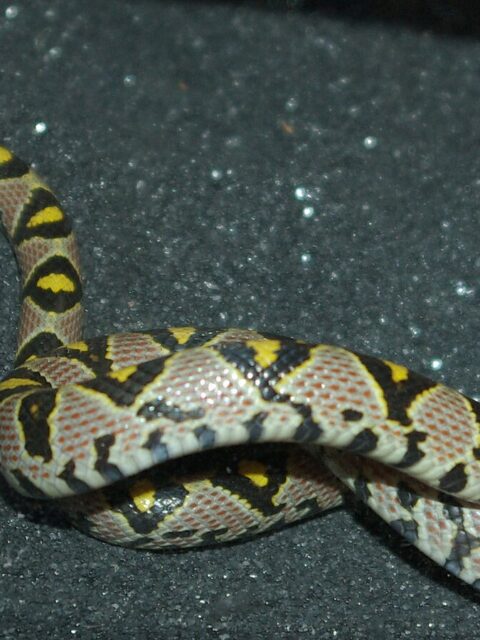
- vibrant green with a glossy appearance
- Lifespan
- 5-10 years in the wild, up to 15 in captivity
- Offspring per Birth
- 2-6
- Sexual Maturity
- 1-2 years
- Breeding Season
- Spring (September-November)
LC
Least Concern
IUCN Red List Status
- Population Status
- The population of Emerald Skinks is currently stable, though habitat loss poses a potential threat.
- Wild Population Estimate
- unknown
- Population Trend
- Stable
- Endangered
- 0
- Threats
- Main threats include habitat destruction due to deforestation and invasive species that compete for resources. Additionally, predation by introduced mammals poses a significant risk to their populations.
- Predators
- rats, stoats, cats, birds of prey
- Defense Mechanisms
- Emerald Skinks can drop their tails when threatened, allowing them to escape while the predator is distracted.
- Found in Zoos
- Common