


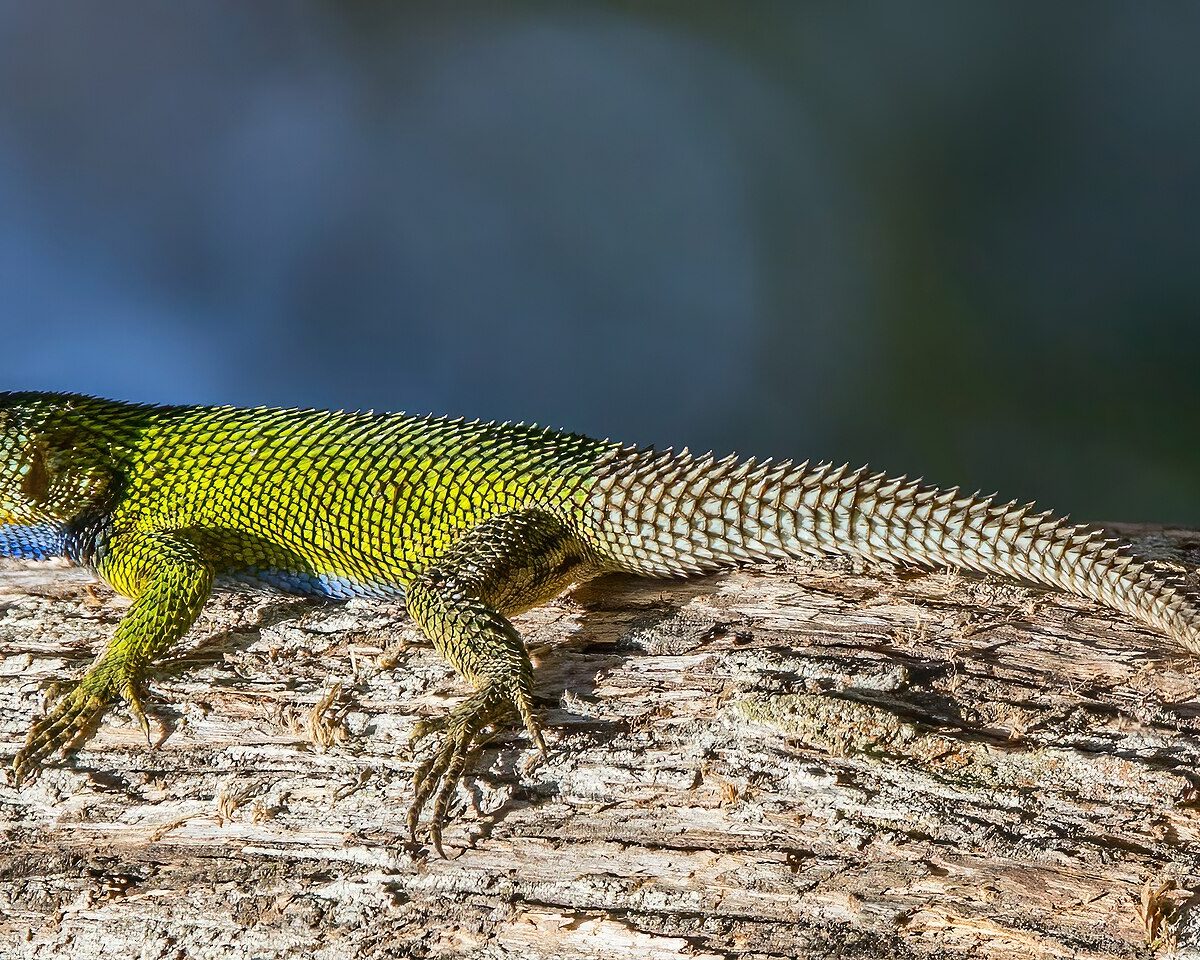
EMERALD SWIFT
Sceloporus malachiticus
DESCRIPTION
Emerald Swift (Sceloporus malachiticus) is a striking lizard known for its vibrant green coloration, which helps it blend into the lush foliage of its habitat. This species is primarily found in Central America, where it inhabits a variety of environments, including tropical forests and shrublands. Emerald Swifts are known for their agile movements and are often seen basking on rocks or tree branches, displaying their vivid colors to attract mates.
FUN FACTS
- Emerald Swifts are known for their impressive agility, allowing them to leap and climb with ease in their arboreal habitats
- They also have a unique courtship display, where males perform elaborate movements to attract females, showcasing their vibrant colors and physical fitness.|These lizards are often mistaken for other green lizard species, but their distinct coloration and behavior set them apart
- They are also popular in the pet trade due to their striking appearance, although potential owners should be aware of their specific habitat and dietary needs
QUICK INFO
Lifespan5-7 years in the wild
Average Length10-15 cm
Diet TypeInsectivore
Social Structuresolitary, with males often displaying aggressive behavior towards each other during the breeding season.
Activity PatternDiurnal
Breeding SeasonSpring to early summer
- Habitat
- Emerald Swifts thrive in humid, tropical environments, often found in areas with dense vegetation. They prefer habitats that provide ample cover and basking spots.
- Biomes
- Tropical Rainforest, Temperate Forest
- Native Range
- This species is native to Central America, particularly found in countries like Costa Rica and Panama.
- Continent
- North America, Central America
- Countries
- Costa Rica, Panama
- Diet
- Emerald Swifts primarily feed on insects and other small invertebrates, which they catch with their quick reflexes. They play an important role in controlling insect populations in their ecosystems.
- Diet Type
- Insectivore
- Favorite Food
- small insects
- Social Structure
- solitary, with males often displaying aggressive behavior towards each other during the breeding season.
- Activity Pattern
- Diurnal
- Group Size
- 1-3
- Territorial
- 1
 VU
VU
 LC
LC
10-15 cm
Length
- Coloration
- vibrant green with darker markings
- Sexual Dimorphism
- males are typically more colorful than females
- Lifespan
- 5-7 years in the wild
- Offspring per Birth
- 3-6 eggs
- Sexual Maturity
- 1-2 years
- Breeding Season
- Spring to early summer
LC
Least Concern
IUCN Red List Status
- Population Status
- The population of Emerald Swifts is currently stable, but habitat loss poses a potential threat.
- Wild Population Estimate
- unknown
- Population Trend
- Stable
- Endangered
- 0
- Threats
- Habitat destruction due to deforestation and urbanization is the main threat to this species. Additionally, climate change may impact their habitat and food sources.
- Predators
- birds of prey, snakes, and larger lizards
- Defense Mechanisms
- Emerald Swifts can quickly escape from predators by darting into dense vegetation or crevices.
- Found in Zoos
- Uncommon