



EMPEROR GOOSE
Anser canagicus
DESCRIPTION
The Emperor Goose is a medium-sized waterfowl characterized by its striking appearance, featuring a grayish-brown body, a white face, and a distinctive black crown. They are known for their unique vocalizations, which include a series of honks and whistles. In terms of ecology, these geese are primarily found in coastal areas and tundra regions, where they forage for food and nest during the breeding season.
FUN FACTS
- Emperor Geese are known for their impressive migratory patterns, traveling long distances between their breeding and wintering grounds
- They are also one of the few goose species that can be found in the Arctic tundra, showcasing their adaptability to harsh environments.|These geese have a unique social structure, often forming strong pair bonds that can last for multiple breeding seasons
- Their vocalizations are not only used for communication but also play a role in mate attraction during the breeding season
QUICK INFO
Lifespan10-15 years in the wild
Average Weight2.5-3.5 kg
Average Length60-70 cm
Diet TypeHerbivore
Social Structurepair, they often form monogamous pairs during the breeding season
Activity PatternDiurnal
Breeding SeasonSpring (April-June)
- Habitat
- Emperor Geese inhabit coastal tundra and wetlands, often found in areas with abundant vegetation and access to water. They prefer habitats that provide both foraging opportunities and nesting sites.
- Biomes
- Tundra, Wetlands
- Native Range
- The native range of the Emperor Goose includes the Bering Sea coasts of Alaska and northeastern Russia, particularly the Chukchi Sea region.
- Continent
- North America, Asia
- Countries
- United States, Russia
- Diet
- Emperor Geese primarily feed on aquatic vegetation, seeds, and grasses. They also consume small invertebrates and other plant materials, especially during the breeding season.
- Diet Type
- Herbivore
- Favorite Food
- aquatic plants, grasses
- Social Structure
- pair, they often form monogamous pairs during the breeding season
- Activity Pattern
- Diurnal
- Group Size
- 5-30
- Territorial
- 0
 LC
LC
 VU
VU
2.5-3.5 kg
Weight
60-70 cm
Length
- Coloration
- grayish-brown body with a white face and black crown
- Sexual Dimorphism
- males are generally larger than females
- Lifespan
- 10-15 years in the wild
- Offspring per Birth
- 3-6
- Sexual Maturity
- 2-3 years
- Breeding Season
- Spring (April-June)
LC
Least Concern
IUCN Red List Status
- Population Status
- The population of Emperor Geese is currently stable, but they are sensitive to habitat changes.
- Wild Population Estimate
- 50,000-100,000
- Population Trend
- Stable
- Endangered
- 0
- Threats
- Main threats to Emperor Geese include habitat loss due to climate change and human activities, as well as hunting pressures. Pollution and disturbance from development can also impact their breeding success.
- Predators
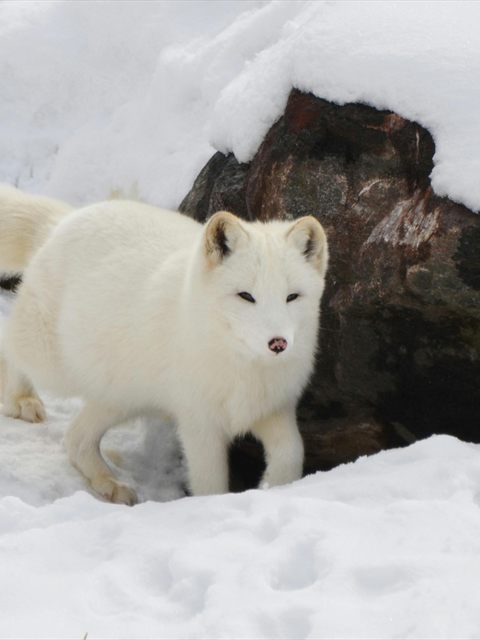
- Arctic foxes, large birds of prey, and humans are known predators of Emperor Geese, particularly during the nesting season.
- Defense Mechanisms
- Emperor Geese rely on their ability to fly and their social behavior to evade predators, often taking to the water or the air when threatened.
- Found in Zoos
- Uncommon