


EMPEROR PENGUIN
Aptenodytes forsteri
DESCRIPTION
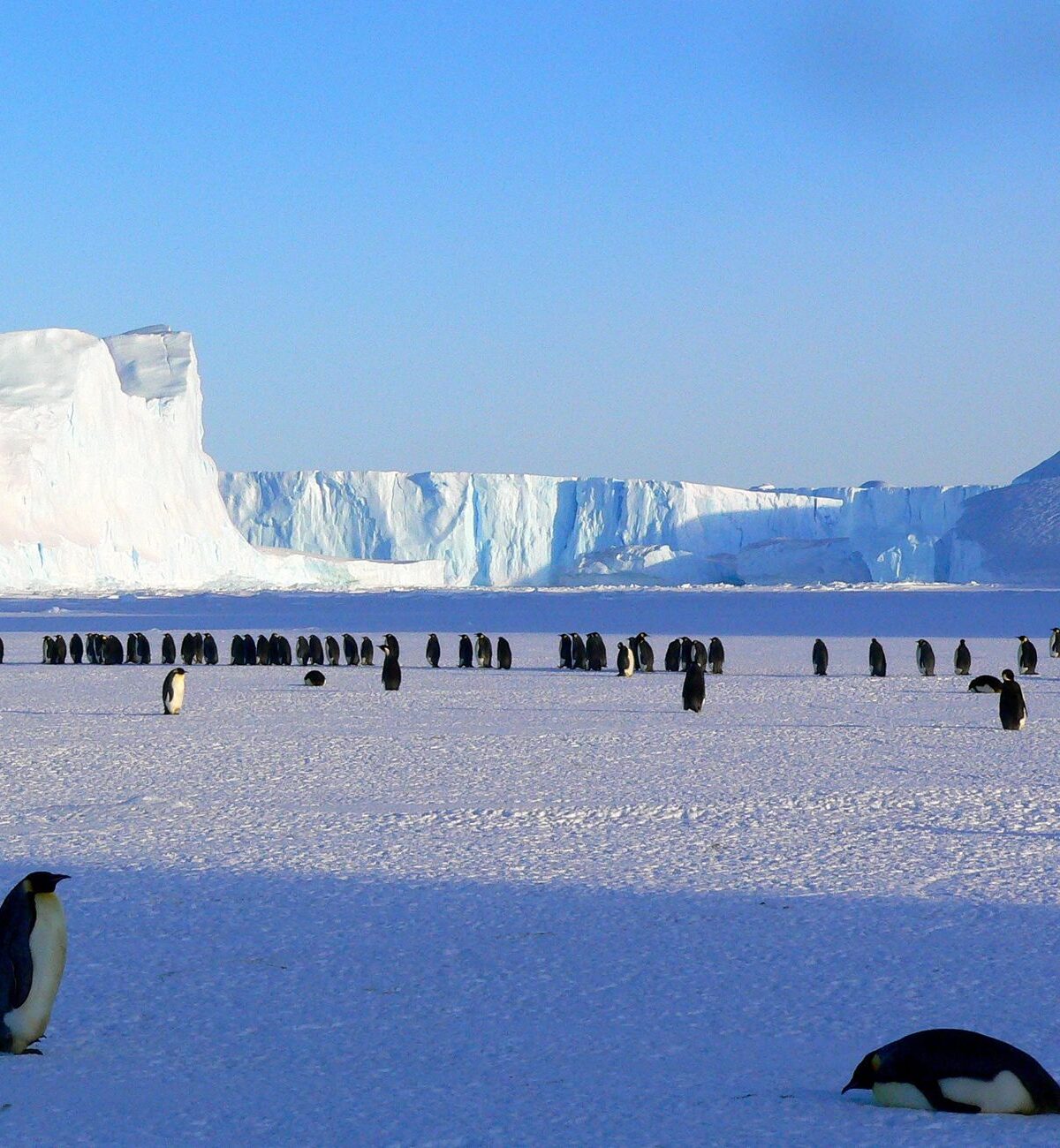
Emperor Penguin (Aptenodytes forsteri) is the largest of all penguin species, characterized by its striking black and white plumage with a distinctive orange patch on the neck. These birds are highly social and are known for their remarkable breeding behavior, where males incubate the eggs on their feet under a flap of skin for about two months during the harsh Antarctic winter. Emperor Penguins are also exceptional divers, capable of reaching depths of over 500 meters in search of food, primarily consisting of fish and krill.
FUN FACTS
- Emperor Penguins are unique among birds in that they breed during the Antarctic winter, with males taking on the responsibility of incubating the eggs while females return to the sea to feed
- Another interesting fact is that they can dive to depths of over 500 meters and hold their breath for up to 20 minutes while hunting for food
QUICK INFO
Lifespan15-20 years in the wild, up to 30 in captivity
Average Weight22-45 kg
Average Length1.1-1.3 m
Diet TypeCarnivore
Social Structuregroup — they form large colonies during breeding season, sometimes numbering in the thousands.
Activity PatternDiurnal
Breeding SeasonWinter (May-August)
- Habitat
- Emperor Penguins inhabit the icy coastal regions of Antarctica, often breeding on sea ice. They are well-adapted to the extreme cold and can withstand temperatures as low as -60°C.
- Biomes
- Tundra, Polar
- Native Range
- Emperor Penguins are native to Antarctica, primarily found on the continent's coasts and surrounding islands.
- Continent
- Antarctica
- Countries
- Antarctica
- Diet
- Emperor Penguins primarily feed on fish, squid, and krill, which they catch while diving underwater.
- Diet Type
- Carnivore
- Favorite Food
- fish, krill
- Social Structure
- group — they form large colonies during breeding season, sometimes numbering in the thousands.
- Activity Pattern
- Diurnal
- Group Size
- 100-200,000
- Territorial
- 0

22-45 kg
Weight
1.1-1.3 m
Length
- Coloration
- black and white with orange accents on the neck and head
- Sexual Dimorphism
- males are generally larger than females
- Lifespan
- 15-20 years in the wild, up to 30 in captivity
- Gestation Period
- 65-75 days
- Offspring per Birth
- 1
- Sexual Maturity
- 3-6 years
- Breeding Season
- Winter (May-August)
NT
Near Threatened
IUCN Red List Status
- Population Status
- The population of Emperor Penguins is currently estimated to be stable, although they are vulnerable to climate change.
- Wild Population Estimate
- approximately 600,000
- Population Trend
- Stable
- Endangered
- 0
- Threats
- Main threats include climate change, which affects sea ice availability, and potential overfishing of their prey species. Additionally, oil spills and pollution pose risks to their habitat.
- Predators
- Leopard seals, killer whales, and skuas are known predators of Emperor Penguins, particularly targeting chicks and weak individuals.
- Defense Mechanisms
- Emperor Penguins huddle together for warmth and protection against predators, and they can also dive to escape threats.
- Found in Zoos
- Common