


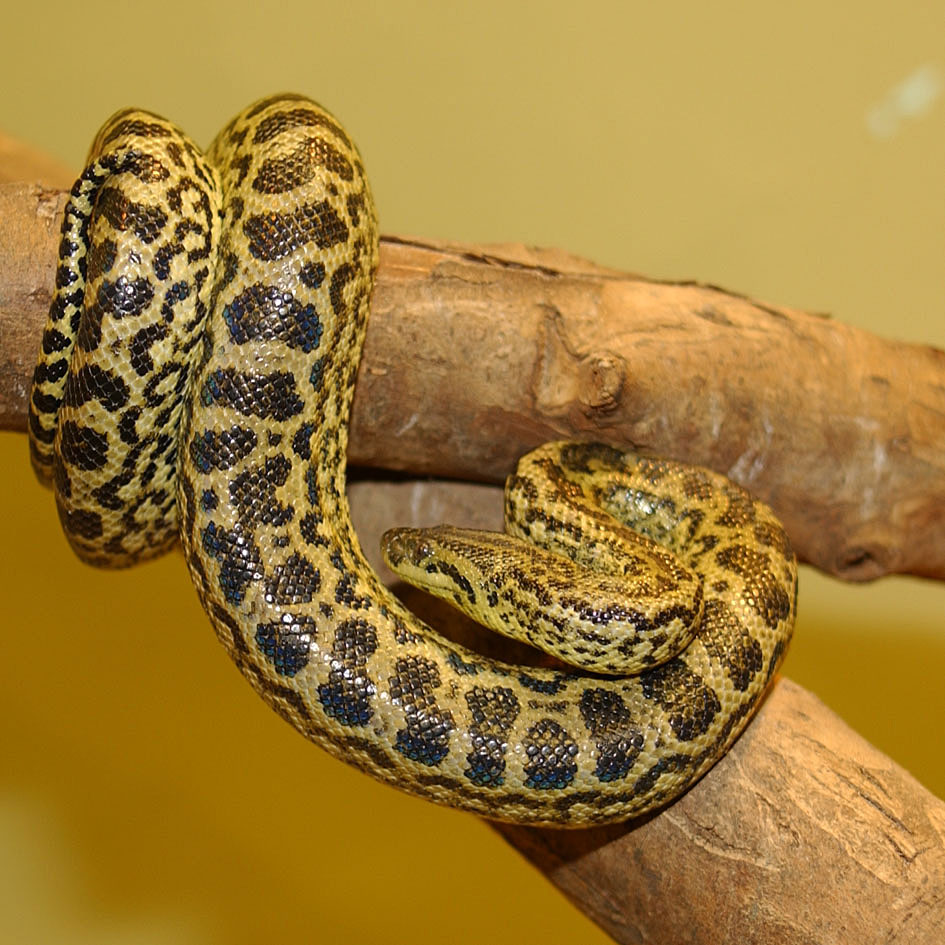
EUNECTES NOTAEUS
Eunectes notaeus
DESCRIPTION
Eunectes notaeus, commonly known as the yellow anaconda, is a large snake species native to South America. It is characterized by its robust body, which can reach impressive lengths, and its distinctive coloration, featuring a pattern of yellow and black or dark brown markings. This semi-aquatic snake is known for its excellent swimming abilities and often inhabits swamps, marshes, and slow-moving rivers, where it hunts for prey.
FUN FACTS
- The yellow anaconda is one of the heaviest snake species in the world, capable of weighing over 100 kg
- They are also known for their impressive ability to hold their breath underwater for up to 10 minutes while hunting or evading predators.| Unlike many other snake species, yellow anacondas give birth to live young rather than laying eggs, which is a unique adaptation that allows them to thrive in their aquatic habitats
QUICK INFO
Lifespan10-15 years in the wild, up to 30 years in captivi
Average Weight30-70 kg
Average Length2.5-3.5 m
Diet TypeCarnivore
Social StructureSolitary, typically only seen in pairs during the breeding season.
Activity PatternNocturnal
Breeding SeasonSpring (September-November)
- Habitat
- Eunectes notaeus thrives in aquatic environments, particularly in swamps, marshes, and riverine systems. It prefers warm, humid conditions and is often found basking on riverbanks or submerged in water.
- Biomes
- Wetlands, Tropical Rainforest
- Native Range
- The yellow anaconda is native to the tropical regions of South America, particularly in countries like Brazil, Paraguay, and Argentina.
- Continent
- South America
- Countries
- Brazil, Paraguay, Argentina
- Diet
- The yellow anaconda primarily feeds on a variety of prey, including fish, birds, mammals, and even other reptiles. It is known for its ambush hunting style, often waiting for unsuspecting animals to come close before striking.
- Diet Type
- Carnivore
- Favorite Food
- Fish, small mammals, birds
- Social Structure
- Solitary, typically only seen in pairs during the breeding season.
- Activity Pattern
- Nocturnal
- Group Size
- 1-2
- Territorial
- 0
 NT
NT
 LC
LC
 VU
VU
30-70 kg
Weight
2.5-3.5 m
Length
- Coloration
- Yellow with dark brown or black markings, providing excellent camouflage in its natural habitat.
- Sexual Dimorphism
- Females are generally larger than males.
- Lifespan
- 10-15 years in the wild, up to 30 years in captivi
- Gestation Period
- 6 months
- Offspring per Birth
- 20-40
- Sexual Maturity
- 2-3 years
- Breeding Season
- Spring (September-November)
LC
Least Concern
IUCN Red List Status
- Population Status
- The population is currently stable, but habitat destruction poses a potential threat.
- Wild Population Estimate
- Unknown
- Population Trend
- Stable
- Endangered
- 0
- Threats
- Main threats include habitat loss due to agriculture and urban development, as well as hunting for their skin. These factors can lead to localized declines in certain areas.
- Predators
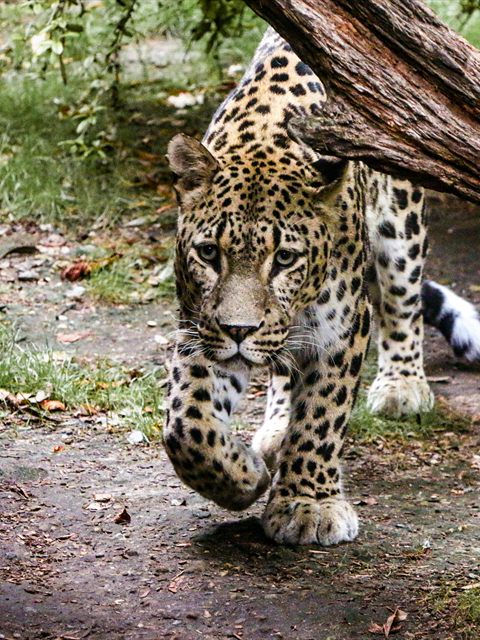
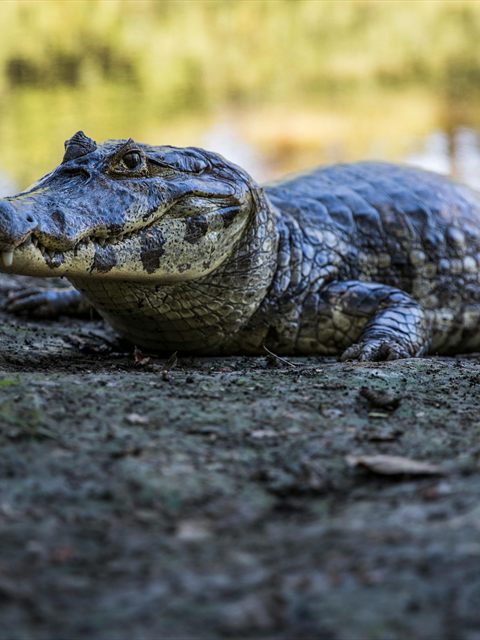
- Jaguar, caiman, large birds of prey, and humans.
- Defense Mechanisms
- When threatened, yellow anacondas may use their size to intimidate or escape into the water. They can also constrict their prey as a means of defense.
- Compatible Animals
- Capybara, various fish species, other reptiles (in controlled environments)
- Found in Zoos
- Common